
If your heater isn’t performing as it should, you need to know whether the issue calls for a repair or routine service. Repairs correct a specific fault, like a failed ignitor, bad blower motor, or no-heat condition. Service is preventive, aimed at inspection, cleaning, adjustment, and efficiency checks before failure starts. Choosing the wrong one can waste time and money, and the difference isn’t always obvious at first.
Key Takeaways
- Heating service is preventive maintenance that inspects, cleans, and tunes your system to keep it running efficiently.
- Heating repair fixes specific faults after performance drops, breakdowns, or component failures disrupt normal heating.
- Service usually includes filter replacement, burner and heat exchanger checks, thermostat testing, and tightening electrical connections.
- Repair is needed for no heat, frequent shutdowns, cold air, unusual noises, burning smells, or carbon monoxide alarms.
- Routine service typically costs less than repairs and can reduce breakdowns, improve efficiency, and extend system lifespan.
Heating Repair vs. Heating Service: What’s the Difference?
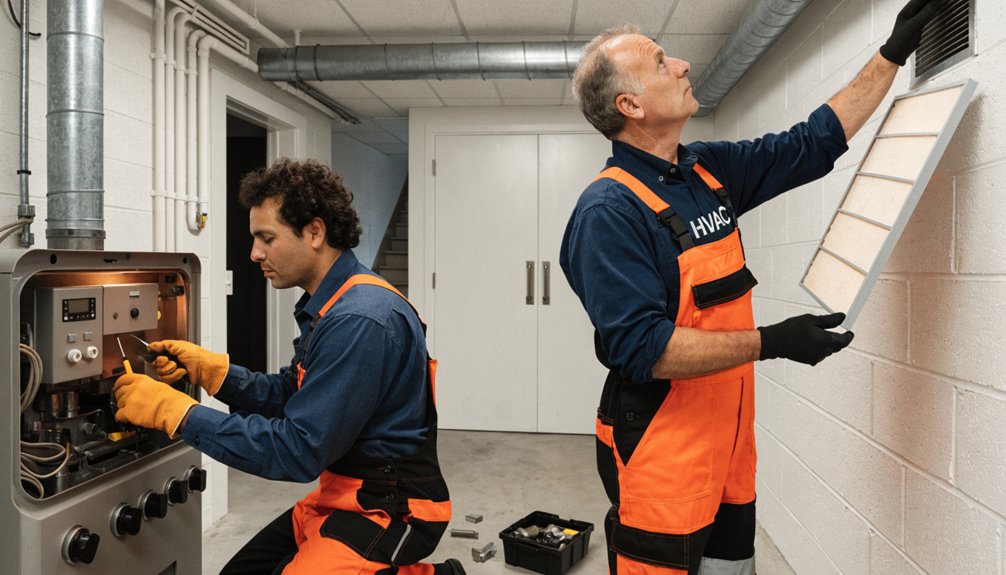
When your heat isn’t performing the way it should, it helps to separate two terms that often get used interchangeably: heating repair and heating service. Heating service is preventive work you schedule to keep the system operating within specifications. It includes inspection, cleaning, calibration, airflow checks, safety testing, and other maintenance tips that support stable performance and heating efficiency. In Melbourne, regular gas heater servicing also helps prevent hazards like gas leaks and carbon monoxide buildup while keeping winter heating reliable.
Heating repair, by contrast, is corrective work triggered by a fault, performance drop, or component failure. If your system cycles abnormally, delivers uneven temperatures, or shows unusual energy use, you’re dealing with a repair issue, not routine service. In practice, service reduces wear, helps identify developing problems early, and gives you baseline data. Repair restores normal operation after a measurable defect interrupts comfort, control, or system reliability.
What Do Heating Repairs Usually Fix?
Most heating repairs address faults that interrupt heat output, airflow, ignition, control response, or safe operation. If your system won’t start, cycle correctly, or maintain set temperature, technicians usually isolate furnace issues tied to burners, limit switches, relays, or blocked venting. They also diagnose thermostat problems when commands don’t match system behavior or calibration drifts. In many cases, technicians also correct issues caused by dirty or clogged filters, which restrict airflow and force the heater to work harder while still leaving rooms underheated.
Repairs often target ignition failures involving the pilot light, flame sensor, igniter, or gas valve. If airflow drops, you may have duct leaks reducing delivered heat or stressing the blower. More serious calls involve a cracked heat exchanger, which can affect combustion and safety. Electrical faults are another common category, including failed capacitors, loose connections, tripped controls, damaged wiring, or motor problems that stop your heating equipment from operating reliably or efficiently.
What’s Included in Routine Heating Service?
Routine heating service focuses on preventing those failures before they interrupt operation. During a visit, your technician inspects burners, heat exchangers, ignition components, wiring, and safety controls for wear, corrosion, and calibration drift. They’ll clean critical surfaces, replace filters, tighten electrical connections, and verify thermostat response so your system cycles correctly. You’ll also have airflow, gas pressure, temperature rise, and combustion performance measured against manufacturer specifications. That diagnostic baseline helps catch restricted ducts, blower imbalance, sensor inaccuracies, or venting issues before output drops. Routine maintenance may include lubricating moving parts, clearing condensate drains, and checking refrigerant on heat pumps. Each task supports system efficiency, steadier comfort, and predictable energy use. Professional servicing at regular intervals also helps maintain indoor air quality and extend the lifespan of your ducted heating system. After service, you should receive findings, recommended adjustments, and a schedule for follow-up care.
When Do You Need Heating Repair Right Away?
How can you tell a heating problem needs immediate repair instead of waiting for the next service visit? You should look for emergency signs that indicate unsafe operation or imminent system failure. If your furnace won’t start, keeps shutting off, blows cold air, or trips the breaker repeatedly, you likely need urgent repairs. Burning odors, visible smoke, gas smells, or a yellow pilot flame can signal combustion or ventilation faults and shouldn’t be ignored. You should also act fast if you hear grinding, screeching, or banging, because those noises often point to a failing motor, loose components, or ignition problems. Water pooling around the unit, a cracked heat exchanger, or carbon monoxide alarms are also red flags. Annual gas leak checks are equally important, since professional inspections can catch dangerous leaks early and prevent serious safety hazards. When output drops suddenly in freezing weather, immediate diagnosis helps prevent unsafe temperatures and secondary damage.
When Is Heating Service the Better Choice?
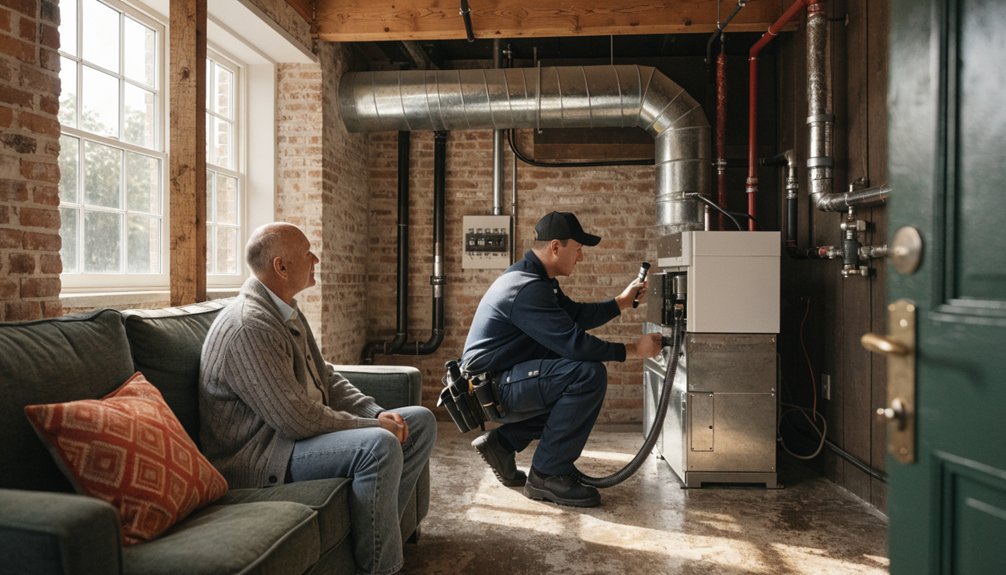
Sometimes the better choice isn’t repair at all—it’s scheduled heating service when your system still runs but shows gradual performance drift rather than a clear fault. You might notice longer run cycles, uneven room temperatures, reduced airflow, or a mild rise in energy use without shutdowns or alarming noises. In those cases, service targets system condition instead of a single failed part. A technician can inspect burners, test safety controls, clean components, verify airflow, check thermostat calibration, and measure combustion or electrical performance. That process helps catch wear before it becomes a breakdown. Preventive maintenance is especially useful if your equipment is aging, has skipped tune-ups, or operates heavily during cold months. The right service frequency depends on system type, usage patterns, filter condition, and whether past inspections found recurring minor issues. In Melbourne, regular ducted heating maintenance also helps identify leaks, improve air quality, and keep running costs under control.
How Much Does Heating Repair vs. Service Cost?
When you compare heating repair and service costs, you’ll usually see repairs priced higher because they involve fault diagnosis, parts replacement, and labor time. Routine service is typically a lower, fixed-cost visit that covers inspection, cleaning, and performance checks. Your final price depends on the system type, the severity of the issue, part availability, and whether the call is scheduled or emergency. Over time, investing in regular heating service can help extend your system’s expected lifespan and reduce the risk of expensive breakdowns.
Average Repair Costs
Repair pricing usually falls into two tiers: routine heating service and corrective repair. When you’re evaluating repair cost, the main variables are failure type, part availability, labor complexity, and system accessibility. Common repair issues include failed igniters, bad flame sensors, blower motor problems, pressure switch faults, and thermostat malfunctions.
You’ll usually pay less for minor electrical or sensor-related fixes than for motor, control board, or heat exchanger work. Diagnostic labor is often billed first, then applied toward the final repair. Average repair timelines also affect price: same-visit fixes cost less than multi-step repairs requiring ordered parts or return trips. If your technician finds refrigerant leaks in a heat pump or a cracked exchanger in a furnace, costs rise sharply because testing, safety verification, and replacement labor become more involved.
Routine Service Pricing
Two routine heating service price points are most common: a basic maintenance visit and a more thorough seasonal tune-up. You’ll usually pay less for a standard inspection, cleaning, and performance check than for an extensive service that includes calibration, airflow testing, safety verification, and efficiency adjustments.
A basic service typically covers filter inspection, thermostat testing, burner or element review, condensate drainage checks, and visible wiring evaluation. A seasonal tune-up goes further, with combustion analysis, blower measurement, amp draws, ignition testing, and system cycling diagnostics. These appointments aren’t repairs; they’re preventive procedures designed to identify drift before failure occurs. That’s where routine maintenance benefits become measurable: steadier output, fewer shutdowns, and improved energy use. Follow manufacturer-based service frequency recommendations, and you’ll keep your system operating within expected performance ranges longer.
Factors Affecting Cost
Although service visits are usually predictable, heating repair costs can vary sharply because pricing depends on the fault type, affected component, system design, labor time, and how accessible the equipment is. Your cost comparison should separate diagnostics from parts and factor in service frequency too.
| Cost factor | Effect on price |
|---|---|
| Fault severity | Minor resets cost less |
| Part availability | Special-order parts raise totals |
| System age | Older units need longer diagnosis |
| Access difficulty | Tight spaces increase labor |
| Maintenance history | Neglect often leads to larger repairs |
If you schedule regular service, you’ll usually pay a set inspection or tune-up rate. If your system fails, you may also face emergency fees, after-hours labor, and replacement components. That’s why preventive service often stabilizes yearly heating expenses overall.
How Does Heating Service Prevent Future Repairs?
When your heating system gets routine service, a technician can catch early-stage issues—like a drifting flame sensor, a weak capacitor, restricted airflow, or loose electrical connections—before they escalate into breakdowns. That diagnostic work reduces component stress, improves combustion efficiency, and keeps safety controls operating within spec. Preventive maintenance also includes cleaning burners, checking heat exchanger performance, tightening terminals, lubricating moving parts, and verifying thermostat calibration. As part of this process, technicians may also assess and fine-tune smart thermostat settings to enhance efficiency, comfort, and overall system performance.
These steps help you avoid short cycling, overheating, ignition failures, and blower strain that can damage major components over time. During service, measurements such as amp draw, static pressure, temperature rise, and gas pressure reveal hidden wear patterns before failure occurs. By correcting small deviations early, you reduce emergency calls, lower repair frequency, and support better system longevity through controlled, stable operation year after year.
For Older Systems, Repair, Service, or Replace?
When your heating system gets older, you need to weigh its age and operating efficiency against its current performance. If repair costs are stacking up or a single fix approaches a significant percentage of replacement cost, replacement may be the more practical option. A professional inspection helps you determine whether targeted service, immediate repair, or full system replacement makes the most technical and financial sense. In Melbourne, engaging specialists in central heating repair for a thorough inspection can help clarify whether repair, ongoing service, or a complete replacement is the best long-term choice for your home.
Age And Efficiency
How do you decide whether an older heating system is worth repairing, servicing, or replacing? Start with age impact and efficiency evaluation. If your furnace or boiler is under 10 years old, service and targeted repairs usually make sense unless performance has sharply declined. Between 10 and 15 years, you should compare operating behavior, runtime, and airflow or heat output against manufacturer specifications.
Past 15 years, efficiency losses often become structural, not just maintenance-related. You may notice longer cycles, uneven heating, delayed ignition, or rising fuel consumption despite regular service. Those symptoms suggest wear in heat exchangers, burners, blowers, or controls. If combustion readings, temperature rise, or AFUE-related performance fall below acceptable ranges, replacement becomes more practical. Your decision should be based on measurable degradation, not age alone.
Repair Cost Thresholds
Although age and efficiency set the context, repair cost thresholds give you the clearest decision point. For an older heater, compare each estimate against your repair budget and the unit’s replacement value. If a single repair approaches 30 to 50 percent of replacement cost, replacement usually makes better financial sense. Also track service frequency, because repeated minor calls can outpace one major repair.
- Compare repair estimate to current replacement cost.
- Add yearly repair totals, not just one invoice.
- Note rising service frequency over two heating seasons.
- Check whether parts are obsolete or backordered.
- Factor energy waste from declining performance.
You should also weigh safety-critical failures differently. Cracked heat exchangers, control board faults, or combustion issues aren’t routine service items; they’re decision triggers that can justify immediate replacement fast.
How Do You Choose the Right Heating Pro?
Start by verifying that the heating pro is licensed, insured, and experienced with your specific system type, since a boiler, furnace, or heat pump each requires different diagnostic methods and repair standards. Check heating expert qualifications, ask about combustion analysis, airflow testing, and electrical diagnostics, then compare customer service reviews for response time, accuracy, and warranty follow-through.
| Checkpoint | Why It Matters |
|---|---|
| License/insurance | Reduces liability |
| System specialization | Improves diagnosis |
| Diagnostic tools | Confirms root cause |
| Written estimate | Defines scope |
| Warranty terms | Protects budget |
You should also confirm parts availability, emergency coverage, and whether the technician explains findings clearly. A strong pro won’t guess; they’ll measure static pressure, temperature split, and amperage before recommending repair or service. That approach prevents misdiagnosis and repeat failures. For hydronic heating in Melbourne, look for technicians with over 20 years of experience in hydronic heating service who can provide both regular maintenance and 24-hour emergency repairs.
Frequently Asked Questions
How Long Does a Typical Heating Service Appointment Take?
Typically, you’ll spend 60–90 minutes for a heating service appointment; it’s the heartbeat of heating efficiency. Your technician will inspect components, test performance, and assess service frequency needs, depending on system age, condition, and complexity.
Will Heating Repairs or Service Affect My Home Warranty Coverage?
Yes, your coverage can change: repairs or maintenance may affect claims depending on policy terms, service frequency, and documentation. You’ll want approved contractors, timely diagnostics, and maintenance records, since warranty implications often hinge on compliance requirements.
Can I Stay Home During Heating Repair or Service Visits?
Yes, you can stay home during heating repair or service visits, and it often helps with technician interaction, system access, and diagnostics. For home safety, keep pathways clear, secure pets, and follow any temporary shutdown instructions.
Are Financing Options Available for Major Heating Repairs?
Yes—many HVAC companies offer repair financing; why drain savings? You’ll want to compare interest rates, term lengths, approval criteria, and total cost considerations. Ask whether emergency parts, labor, diagnostics, and warranties are included too.
Do Heating Companies Offer Emergency Repairs on Holidays or Weekends?
Yes, you can usually get emergency repairs on weekends or holidays, but you’ll need to verify each company’s emergency response coverage, holiday availability, dispatch windows, and after-hours diagnostic fees before scheduling urgent service for your system.