
Most homeowners don’t realize your heating system often loses years of service life long before it shows obvious signs of trouble. When you schedule regular heating service, you’re correcting small mechanical issues, airflow restrictions, and component wear before they compound into system strain. Clean parts, calibrated controls, and early fault detection keep operation stable and reduce avoidable damage. What’s often missed is how quickly skipped maintenance can shorten equipment life.
Key Takeaways
- Regular heating service catches wear early, allowing small issues to be fixed before they damage major components.
- Cleaning coils, burners, and blower parts reduces friction, improves airflow, and lowers strain on the system.
- Annual inspections test ignition, heat exchangers, and safety controls to prevent breakdowns and protect critical assemblies.
- Replacing filters and correcting airflow imbalance helps the system run efficiently and avoid overheating or short cycling.
- Scheduling maintenance in early fall prepares the system for winter and helps preserve reliable long-term heating performance.
How Heating Service Extends System Life
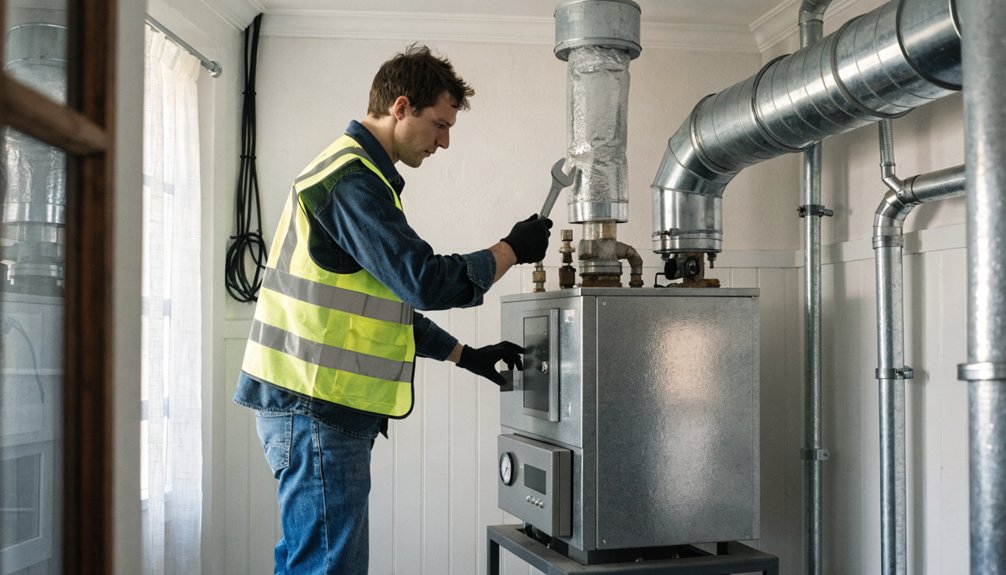
Protect your heating system’s service life by scheduling routine maintenance that targets wear before it turns into failure. During service, technicians inspect burners, heat exchangers, blower assemblies, belts, bearings, and electrical connections for measurable degradation. You benefit because corrected airflow imbalance, combustion drift, and lubrication loss reduce operating strain across major components. You also extend equipment longevity when filters are replaced, coils are cleaned, and controls are calibrated to manufacturer specifications. Those steps stabilize temperature rise, limit short cycling, and keep static pressure within design range. As a result, energy efficiency stays closer to rated levels, and system performance remains consistent through seasonal demand. Routine diagnostics also verify safe ignition, accurate thermostat response, and proper venting, helping your heater run within intended parameters instead of under chronic mechanical stress. Regular professional servicing also helps maintain healthier indoor air by preventing air quality issues linked to dust, debris, and contaminants building up in neglected systems.
How Heating Maintenance Prevents Costly Repairs
With routine heating maintenance, you can catch early signs of wear, airflow restriction, and control faults before they escalate into major component failure. Diagnostic inspections help you correct small performance issues promptly, which reduces repair scope and protects system efficiency. By addressing developing faults on schedule, you’re less likely to face emergency breakdowns during peak heating demand. In Melbourne, regular gas heater servicing includes thorough safety checks that help prevent gas leaks and carbon monoxide buildup while maintaining efficient winter performance.
Early Issue Detection
Because heating systems rarely fail without warning, routine maintenance gives a technician the chance to catch early indicators like abnormal burner flame patterns, rising amperage draw, worn belts, dirty heat exchangers, weak igniters, or inconsistent airflow before they escalate into major component failures.
During service, you benefit from precise problem identification through combustion analysis, electrical testing, static pressure measurement, and temperature split verification. These checks reveal stress points that may otherwise stay hidden while your unit still runs. By correcting minor deviations early, you reduce strain on motors, controls, and heat-transfer surfaces, helping preserve system efficiency and preventing accelerated wear. You also get clearer data on operating trends, so adjustments can be made before tolerances drift, lubrication breaks down, or restricted airflow compromises safe, balanced performance across your entire heating system over time.
Reduced Emergency Breakdowns
Most emergency heating failures start as manageable defects that weren’t corrected during routine service. During maintenance, your technician tests ignition response, inspects heat exchangers, measures airflow, and verifies electrical connections. These diagnostic steps identify worn capacitors, dirty burners, loose terminals, and restricted filters before they overload components or interrupt operation.
When you schedule regular service, you reduce the chance that minor irregularities will escalate into no-heat calls during peak demand. Calibrated controls, clean combustion surfaces, and lubricated moving parts support stable cycling, lower mechanical stress, and improve system reliability. You’re also less likely to face emergency repairs caused by short cycling, overheating, flame rollout, or blower motor strain. Preventive adjustments and targeted part replacements keep performance predictable, protect critical assemblies, and help your heating system operate dependably longer.
Why Clean Parts Reduce Wear and Tear
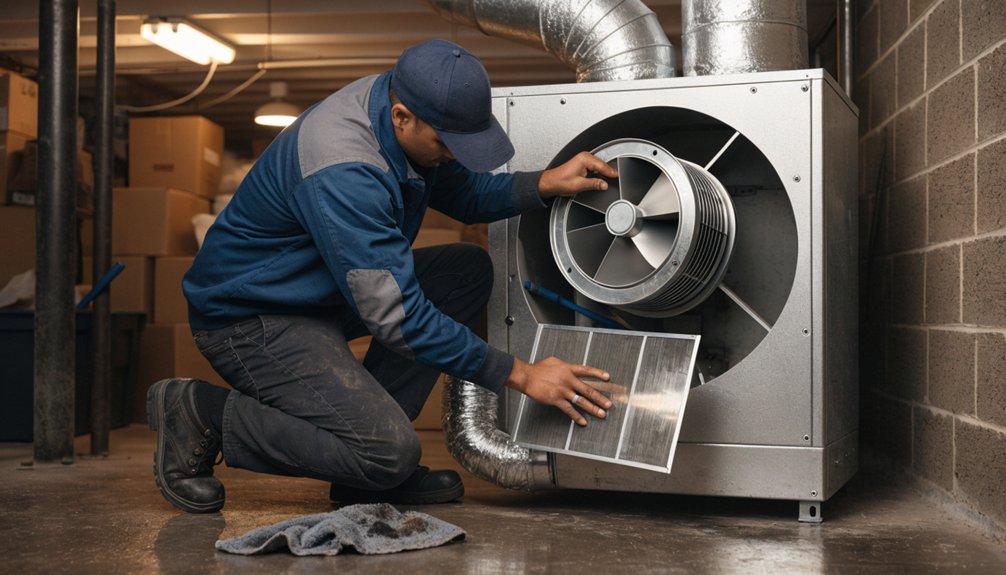
When dust, soot, and residue build up inside a heating system, moving and heat-transfer components don’t operate within their intended tolerances. You’ll see friction increase, heat exchange decline, and motors strain harder against dirt buildup. Keeping clean components supports part longevity by reducing abrasive contact, thermal stress, and airflow restriction. That delivers an efficiency boost, airflow improvement, stronger overall performance, and better system reliability over time. Regular ducted heating repairs and annual inspections by licensed technicians help maintain clean, efficient components and prevent avoidable wear and costly breakdowns.
- Burners stay more uniform under cleaner conditions
- Blower assemblies experience less drag and imbalance
- Heat exchangers transfer energy with fewer losses
- Bearings and belts avoid premature friction-related wear
- Filters and passages maintain steadier designed airflow
With regular inspections, you can catch contamination patterns early and correct operating stress before wear accelerates into measurable component degradation and prevent avoidable failures.
What a Heating Service Visit Includes
During a heating service visit, a technician doesn’t just do a quick visual check—they follow a structured diagnostic and maintenance process designed to verify safe operation, restore efficiency, and identify developing faults. You’ll typically get a complete furnace inspection covering burners, heat exchanger surfaces, ignition components, flame sensor condition, electrical connections, blower performance, and thermostat calibration. They’ll test system airflow, measure temperature rise, check gas pressure or electrical draw, inspect venting, and confirm safety controls respond within specification. Filter replacement is usually performed if needed, because restricted airflow increases strain and reduces heat transfer. The technician may also lubricate moving parts, tighten terminals, clean critical assemblies, and document abnormal readings. By the end, you’ll know whether your system is operating correctly, where wear is developing, and what corrective service is recommended. In Melbourne, choosing experienced professionals for your central heating repair and regular servicing helps ensure your system is installed, maintained, and repaired to the highest safety and performance standards.
When to Schedule Heating Maintenance
You should schedule a preseason tune-up before cold weather starts so your system can be inspected, calibrated, and tested under controlled conditions. If you notice uneven heating, longer run times, unusual noises, or a spike in energy use, your equipment’s signaling that service is due. In most cases, you’ll want annual maintenance to catch wear early, maintain efficiency, and reduce the risk of in-season failure. Pairing this with professional maintenance helps identify potential issues early and ensures your heating system runs safely and efficiently through Melbourne’s coldest months.
Preseason Tune-Up Timing
Although heating systems can run for years with only minor issues, the best time to schedule maintenance is in early fall, before sustained cold weather puts every component under load. You’ll gain preseason benefits by addressing calibration, airflow, and combustion efficiency before startup cycles intensify. Early service also gives your technician time to verify safe ignition, inspect wear patterns, and restore peak performance without emergency scheduling delays.
- Check thermostat accuracy and control response
- Measure static pressure and airflow balance
- Inspect burners, heat exchanger, and ignition sequence
- Clean flame sensor, drains, and electrical contacts
- Test safety switches and system cycling
When you schedule a tune-up before temperatures drop, you reduce off-season deterioration, confirm baseline operation, and position your system for steadier, more efficient winter demand across every stage.
Signs Service Is Due
When your heating system starts showing small performance changes, it’s usually time to schedule service before those symptoms turn into a no-heat call. You should pay attention to longer run cycles, uneven room temperatures, delayed ignition, or airflow that feels weaker than normal. Those are common service indicators that components are drifting out of specification.
You may also notice new noises, short cycling, rising utility bills, or a burner flame that looks unstable. If your thermostat settings haven’t changed but comfort has, that signals maintenance urgency. A technician can test static pressure, inspect electrical connections, measure combustion performance, and verify safety controls before wear accelerates. Acting when symptoms first appear helps you prevent secondary damage, reduce strain on the heat exchanger, and preserve reliable system operation through colder weather.
Annual Maintenance Schedule
The best time to schedule heating maintenance is once a year, ideally in early fall before the first sustained demand cycle begins. That timing lets you catch wear, airflow restrictions, calibration drift, and ignition issues before cold weather stresses components. You’ll also get measurable service benefits, including improved combustion efficiency, safer operation, and fewer in-season breakdowns. Use an annual checklist to keep inspection intervals consistent.
- Inspect burners, heat exchanger, and flame sensor
- Test thermostat accuracy and control response times
- Measure static pressure and verify blower performance
- Check electrical connections, capacitors, and safety switches
- Replace filters and confirm venting integrity
If you’ve had repairs, unusual cycling, or rising utility use, don’t wait. Scheduling early gives your technician time to diagnose trends and correct deficiencies.
What Happens If You Skip Heating Service?
If you skip heating service, your system won’t just run less efficiently—it can also develop hidden wear that leads to airflow restrictions, ignition problems, rising energy use, and premature component failure.
Without inspection, you can’t catch clogged filters, dirty burners, loose electrical connections, or a drifting thermostat calibration before they affect operation. Those issues force longer run cycles, elevate heat exchanger stress, and accelerate blower motor strain. Over time, heating neglect consequences become measurable through uneven temperatures, short cycling, delayed starts, and abnormal utility costs. You’ll also see system efficiency decline as dust buildup reduces heat transfer and weakens combustion performance. Missed service can let minor faults progress into cracked components, safety shutdowns, or emergency repairs. Routine diagnostics help you identify wear patterns early and preserve reliable, controlled heating performance throughout the season. During Melbourne’s cold snaps, neglected systems are also more vulnerable to failures caused by extreme outdoor temperatures and overworked components struggling to keep up with demand.
Frequently Asked Questions
How Long Does a Typical Heating System Usually Last?
You can expect a typical heating system to last 15–25 years, depending on heating lifespan factors like load, installation quality, and usage. You’ll see maintenance benefits through fewer failures, better efficiency, and slower component degradation over time.
Does Regular Heating Service Affect My Home Insurance Coverage?
Yes—because insurers just love preventable claims, don’t they? Regular heating service can support insurance benefits and even policy discounts by documenting maintenance, reducing fire-risk diagnostics, and proving your system’s operating condition meets underwriting expectations.
Can Heating Maintenance Improve Indoor Air Quality?
Yes, heating maintenance can improve your indoor air quality by replacing furnace filters, cleaning components, and correcting airflow issues. You’ll reduce dust buildup, support better air circulation, and help your system distribute cleaner, healthier air.
Are Service Plans Worth the Cost for Newer Systems?
Yes—like insurance with a wrench, they’re often worth it for newer systems because you’ll improve system reliability, catch calibration or airflow issues early, and your cost benefit analysis may favor reduced breakdown risk.
Will Maintenance Help My Heating System Run More Quietly?
Yes, maintenance can help your heating system run more quietly by improving system efficiency and targeting noise reduction. You’ll have technicians tighten components, lubricate moving parts, clean burners, and diagnose airflow or motor issues before worsening.