
Most homeowners don’t realize that a heating technician’s methods can affect not just system performance, but also code compliance and fire safety. When you hire someone, you should verify licensing, insurance, diagnostic procedure, and experience with your specific equipment. Estimates should be detailed, not vague, and reviews should confirm consistent workmanship. A few checks can help you avoid costly errors, but one factor is often missed until problems start.
Key Takeaways
- Choose a technician with proven experience servicing your heating system type, fuel source, and model, especially for gas heaters in colder regions.
- Verify active trade-specific licenses, liability insurance, and workers’ compensation, and confirm credentials directly with the issuing authority before booking service.
- Ask how they diagnose faults; reliable technicians test voltage, airflow, gas pressure, ignition, venting, and carbon monoxide before recommending repairs.
- Compare detailed written estimates by scope, including diagnostics, parts, labor, safety testing, warranty terms, and code or permit requirements.
- Check recent reviews for consistent safety practices, clear communication, permit handling, and strong follow-up support on callbacks or unresolved issues.
Start With the Right Hiring Criteria
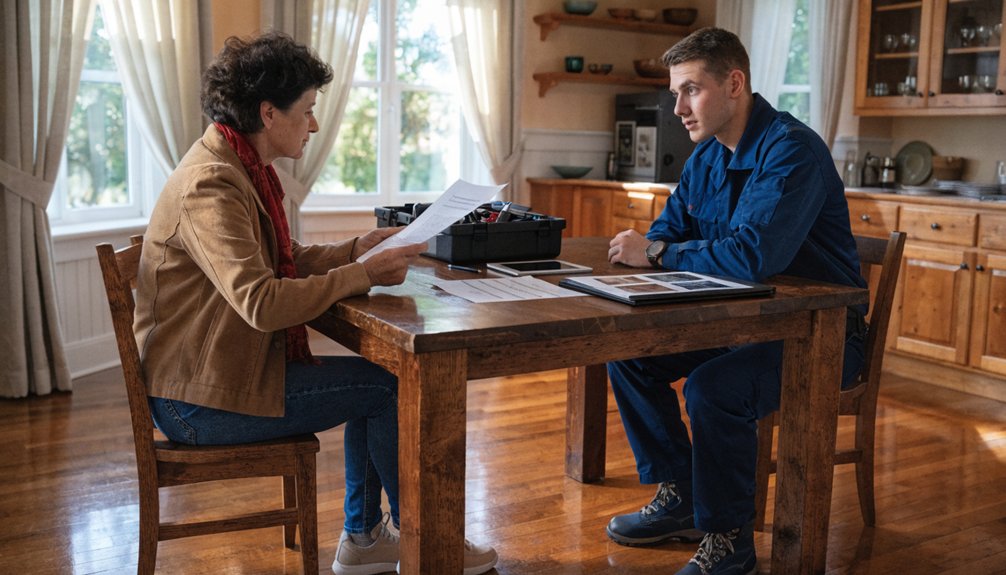
Before you compare estimates or availability, define the hiring criteria that directly affect system safety, code compliance, and service quality. You should begin with initial qualifications tied to your equipment type, fuel source, and control configuration. A technician must understand manufacturer specifications, combustion requirements, airflow calculations, venting limits, and shutdown diagnostics for your specific system. In colder regions like Melbourne, technicians should also be experienced with gas heater servicing to ensure safe, efficient operation throughout winter.
Next, identify the essential skills needed for safe, accurate service. You want someone who can interpret fault codes, verify temperature rise, test gas pressure, inspect heat exchangers, confirm electrical integrity, and document corrective actions. They should follow applicable mechanical, fuel-gas, and electrical codes without shortcuts. You should also prioritize clear troubleshooting methods, precise communication, and a documented process for inspection, testing, calibration, and post-service performance verification before completion.
Verify Licensing and Insurance
Once you’ve defined the technical qualifications, verify that the heating technician holds the licenses required by your state or local jurisdiction and carries current liability and workers’ compensation insurance. This protects you from code violations, unsafe work practices, and financial exposure if property damage or jobsite injuries occur during service. Choosing a properly licensed and insured professional also reduces the risk of carbon monoxide leaks by helping ensure gas heater work complies with safety standards.
| Item | What to Confirm | Why It Matters |
|---|---|---|
| License | Active, local, trade-specific | Meets code requirements |
| Liability | Policy status, limits | Covers property damage |
| Workers’ comp | Current certificate | Protects against injury claims |
Ask for credential verification directly from the issuing authority, not just a business card or invoice. Confirm policy dates, named insured, and insurance coverage limits. If documentation is missing, expired, or inconsistent, don’t proceed until everything checks out completely first.
Check Experience With Your Heating System
Credentials confirm a technician can legally perform the work, but you should also verify hands-on experience with your specific heating system. Furnaces, boilers, heat pumps, and radiant systems have different control sequences, venting requirements, combustion safeguards, and manufacturer specifications. You’ll want someone whose technician qualifications include documented work on your equipment type, fuel source, and model family. Ask whether they’ve completed recent installations, maintenance, or repairs on systems with similar capacity and efficiency ratings. That helps confirm system compatibility with replacement parts, controls, and safety devices. Experience matters because improper setup can violate code, reduce efficiency, and create carbon monoxide, electrical, or pressure hazards. You should also confirm familiarity with local mechanical codes, permit requirements, and manufacturer instructions, since compliant service protects your warranty, equipment performance, and household safety over time. In Melbourne, working with specialists in central heating repair who also offer installation, maintenance, and replacement services ensures your system is evaluated and serviced with the right expertise from the start.
Ask How They Diagnose Problems
How a technician diagnoses a heating problem tells you a lot about the quality and safety of their work. You should ask what diagnostic techniques they use before they recommend any repair. A reliable technician won’t guess or swap parts first; they’ll test voltage, airflow, gas pressure, ignition sequence, limit switches, and venting against manufacturer specifications and applicable code. Experienced techs should also explain how they check for ductwork leaks or other issues that can reduce heating efficiency and performance.
You should also ask about their problem solving approach. Strong technicians isolate root causes, verify safety controls, and document findings before correcting faults. They should explain how they rule out electrical issues, combustion hazards, thermostat failures, blocked filters, or cracked heat exchangers. If they can’t clearly describe a systematic process, that’s a red flag. Clear diagnostics help protect your equipment, your indoor air quality, and your household from unnecessary risk.
Compare Heating Service Estimates
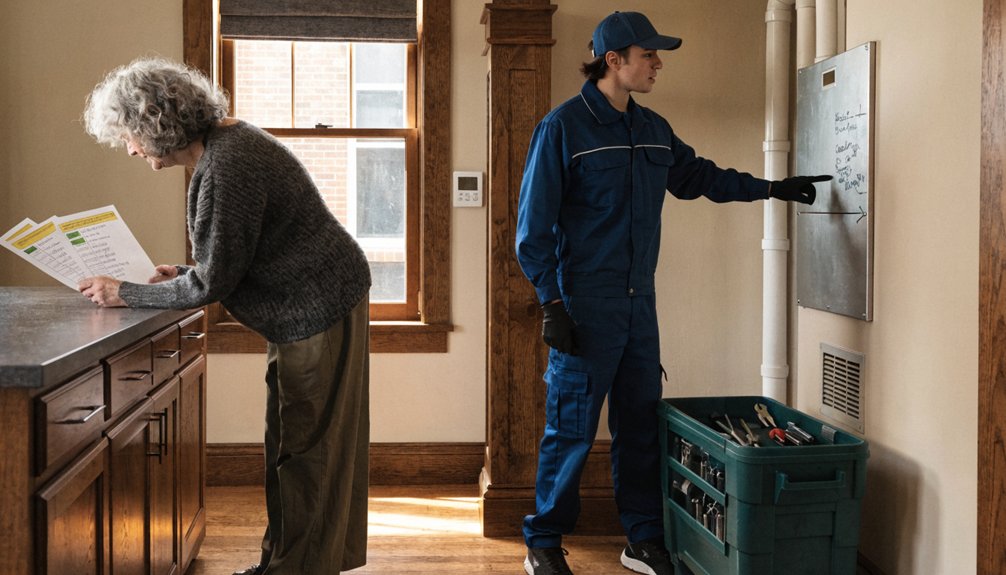
When you compare heating service estimates, don’t focus only on the bottom-line price. You should verify that each quote covers the same scope: diagnostic time, parts, labor, permits, testing, and startup procedures. A proper cost comparison requires line-item detail, not vague allowances or bundled totals. If one bid is much lower, ask whether it excludes code-required components, venting corrections, or combustion safety checks.
You should also compare warranty terms, equipment specifications, and documented compliance with local mechanical and fuel-gas codes. Confirm whether the technician includes load verification, airflow measurement, thermostat calibration, and post-repair performance testing. These details affect service quality, operating efficiency, and occupant safety. A reliable estimate explains what’ll be repaired, why it’s necessary, and how the work will be verified before the system is returned to service. When reviewing bids, ask contractors to explain how their recommendations account for your system’s age, expected heater lifespan, and potential energy-efficiency gains, so you can judge whether repair or replacement is the more cost-effective option.
Read Reviews From Local Customers
You should review feedback from nearby residents to verify that a technician follows safe installation, maintenance, and code-compliant repair practices. Look for consistent rating patterns across multiple reviews, since repeated comments about punctuality, diagnostics, and workmanship can indicate reliable service standards. Recent community experiences also help you confirm whether the company is currently meeting performance expectations and responding properly to heating system safety concerns. Pay attention to reviews that mention carbon monoxide testing and other safety checks, as these indicate the technician is prioritising compliance with safety standards and thorough heater servicing.
Nearby Resident Opinions
Because heating work affects combustion safety, venting, and electrical integrity, local customer reviews can help you verify whether a technician consistently follows code-compliant practices and completes work without creating avoidable hazards. Use community feedback and local recommendations to confirm permit awareness, cleanup discipline, and safe startup procedures.
| Check | Why it matters | Review clue |
|---|---|---|
| Permits | Confirms jurisdiction compliance | Mentions inspections |
| Venting | Prevents flue-gas leakage | Notes draft testing |
| Wiring | Reduces shock/fire risk | References neat terminations |
| Startup | Verifies safe operation | Describes final safety checks |
When you read nearby resident opinions, prioritize specifics: carbon monoxide testing, thermostat calibration, breaker labeling, and manufacturer instructions. Those details show whether the technician protects your system, your household, and your legal compliance during service calls.
Consistent Rating Patterns
Beyond individual comments, consistent rating patterns show whether a heating technician maintains safe, code-aware workmanship across many service calls. You should look for stable scoring across installation, repair, maintenance, punctuality, and inspection readiness. Strong rating trends often indicate disciplined procedures, proper combustion testing, and adherence to manufacturer specifications and local mechanical codes.
Your feedback analysis should separate cosmetic complaints from recurring safety signals. If multiple reviewers mention incomplete venting checks, poor thermostat calibration, unresolved ignition faults, or weak documentation, that’s a technical warning. You should also note whether ratings stay high across complex jobs, not only basic tune-ups. Consistency suggests the technician follows repeatable diagnostic methods, verifies gas pressure, confirms airflow, and closes permits correctly when required. That pattern lowers your risk of unsafe operation, callbacks, and compliance issues.
Recent Community Experiences
While star ratings show patterns, recent local reviews reveal how a heating technician is performing under current crews, scheduling pressures, and code enforcement conditions. You should scan community feedback for details about permit handling, combustion testing, and cleanup after service calls. Recent comments often expose whether a company’s service reliability still matches its older reputation.
- Review notes about arrival windows, parts availability, and documented diagnostics.
- Look for mentions of carbon monoxide checks, venting corrections, and code-compliant installations.
- Compare how the company resolves callbacks, warranty issues, and inspection failures.
If several customers report rushed work, missing safety checks, or poor communication, don’t ignore it. You’re hiring someone to protect occupancy safety, equipment efficiency, and compliance, not just restore heat. Recent experiences help you verify present-day standards before scheduling.
Understand the Warranty and Guarantees
You should verify exactly what the warranty covers, including parts, labor, exclusions, and any maintenance requirements that could affect compliance or safety. You’ll also want to confirm whether the technician’s work meets manufacturer specifications and applicable code standards, since improper installation can void coverage. Before you approve service, review the guarantee terms so you know how callbacks, repair timelines, and corrective work are handled if the system doesn’t perform as specified. Because many manufacturers require regular boiler servicing to keep warranties valid, be sure the terms clearly state how often maintenance must be performed and by whom.
Warranty Coverage Details
Two warranty areas deserve close review: parts coverage and labor coverage. You should verify exactly which components are protected, for how long, and whether OEM parts are required to maintain code-compliant operation. Read the fine print for warranty limitations and coverage exclusions, especially where improper installation, skipped maintenance, power surges, or airflow restrictions could void protection. A reliable technician will document model numbers, startup readings, and safety-control settings.
- Heat exchanger, igniter, blower motor, and control board listed with term lengths
- Labor rates, diagnostic fees, and after-hours charges clearly identified in writing
- Registration deadlines, maintenance records, and permit compliance required for validity
You should also confirm transferability if you sell your home. Clear documentation reduces disputes and helps guarantee safe, standards-based heating system repairs later.
Service Guarantee Terms
Because service guarantees vary widely between contractors, review exactly what the technician promises to correct after installation or repair, how long that promise lasts, and whether emergency return visits are included at no additional charge. You should verify that guarantee terms cover workmanship defects, startup calibration, airflow balancing, combustion safety checks, and code-required controls. If a furnace trips limits, leaks gas, or fails ignition because of installation error, you shouldn’t absorb those correction costs.
Ask for guarantee terms in writing, including exclusions, labor response times, permit responsibilities, and documentation requirements. A reputable contractor will define service satisfaction standards, outline when parts versus labor are covered, and state whether third-party manufacturer approvals affect claims. Clear guarantees protect you from unsafe shortcuts, unresolved hazards, and disputes after commissioning or seasonal system startup.
Spot Red Flags Before You Hire

Before signing a service agreement, watch for warning signs that a heating technician may not meet basic safety, licensing, or code-compliance standards. You shouldn’t ignore red flag indicators like vague estimates, missing permit references, or reluctance to document load calculations, venting specs, and combustion testing. These warning signs often point to shortcut work that can violate manufacturer instructions and local code requirements.
- You ask for license and insurance proof, but they dodge, delay, or provide expired documents.
- You see no discussion of carbon monoxide testing, gas leak checks, airflow measurement, or electrical disconnect verification.
- You get pressure to approve immediate replacements without diagnostic data, model numbers, or itemized scope details.
If communication feels evasive or technically incomplete, move on. Your system’s safety, efficiency, and compliance depend on verifiable competence. In particular, a trustworthy provider will treat carbon monoxide testing as a non‑negotiable part of heater servicing to protect occupants from this invisible but potentially fatal gas.
Choose a Technician for Ongoing Support
Once you’ve ruled out obvious red flags, focus on whether a heating technician can support your system over time with documented maintenance, code-aware repairs, and clear service records. Ask how they track inspections, combustion readings, filter changes, and permit history. You need ongoing maintenance that aligns with manufacturer requirements and local code. Look for technicians who follow annual inspections and filter replacement schedules to keep your ducted heating efficient, safe, and reliable over time.
| Checkpoint | Why It Matters | What You Ask |
|---|---|---|
| Service logs | Confirms history | Can you provide records? |
| Emergency response | Reduces downtime | What’s your technician availability? |
Choose a company that documents parts, test results, and safety controls after every visit. That record helps future diagnostics and protects warranty coverage. If a contractor can’t explain follow-up procedures, escalation steps, or seasonal maintenance intervals, you shouldn’t rely on them for long-term heating support.
Frequently Asked Questions
How Often Should I Schedule Professional Heating Maintenance Each Year?
You should schedule professional heating maintenance once yearly, ideally before winter; like a safety net, it supports proper heating frequency. Confirm your provider’s technician qualifications meet code requirements, because you’ll reduce hazards, preserve efficiency, and prevent failures.
What Can I Do to Improve My Heating System’s Energy Efficiency?
You can improve your heating system’s energy efficiency with insulation upgrades, programmable thermostats, sealed ductwork, clean filters, and annual tune-ups. You’ll also reduce fire risks and guarantee safer, code-compliant operation through proper airflow and maintenance.
Are There Rebates Available for Upgrading to a New Heating System?
Yes, you can often get energy rebates for qualifying heating upgrades through utilities, manufacturers, or government programs. You’ll need code-compliant equipment, proper load calculations, and permitted installation to meet safety requirements and rebate eligibility standards.
How Long Does a Typical Residential Heating System Usually Last?
Like a marathon runner, your typical residential heating system usually lasts 15–20 years; heating lifespan and system longevity depend on maintenance, load calculations, airflow, fuel quality, and code-compliant inspections. Replace unsafe, inefficient units sooner.
What Temperature Should I Set My Thermostat to in Winter?
Set your thermostat to 68°F when you’re home and awake for ideal winter comfort. Lower thermostat settings by 7–10°F when asleep or away; you’ll improve efficiency while maintaining safe, code-compliant indoor temperatures and system performance.