
If your ducted heating isn’t performing as it should, the fault usually shows up in a few clear ways: weak airflow, uneven room temperatures, unusual noises, bad smells, or higher energy use. You can fix some issues yourself by checking filters, vents, and thermostat settings, while others point to duct leaks, failing components, or electrical faults. The key is knowing which symptoms matter most before a minor problem turns into a costly repair.
Key Takeaways
- Weak airflow is often caused by clogged filters, blocked vents, duct leaks, or fan issues; replace filters, clear obstructions, and inspect ductwork.
- Uneven heating usually points to closed dampers, dirty filters, zoning errors, or damaged ducts; open vents and check thermostat settings.
- Rattling, whistling, buzzing, or banging noises can signal loose panels, airflow restrictions, or electrical faults; tighten fittings and book servicing.
- Burning, musty, or gas-like smells may indicate dust buildup, moisture, or leaks; shut the system down and seek professional inspection.
- Rising energy bills or frequent cycling often mean efficiency problems, thermostat faults, or duct leaks; schedule maintenance and test system performance.
Common Signs of Ducted Heating Problems
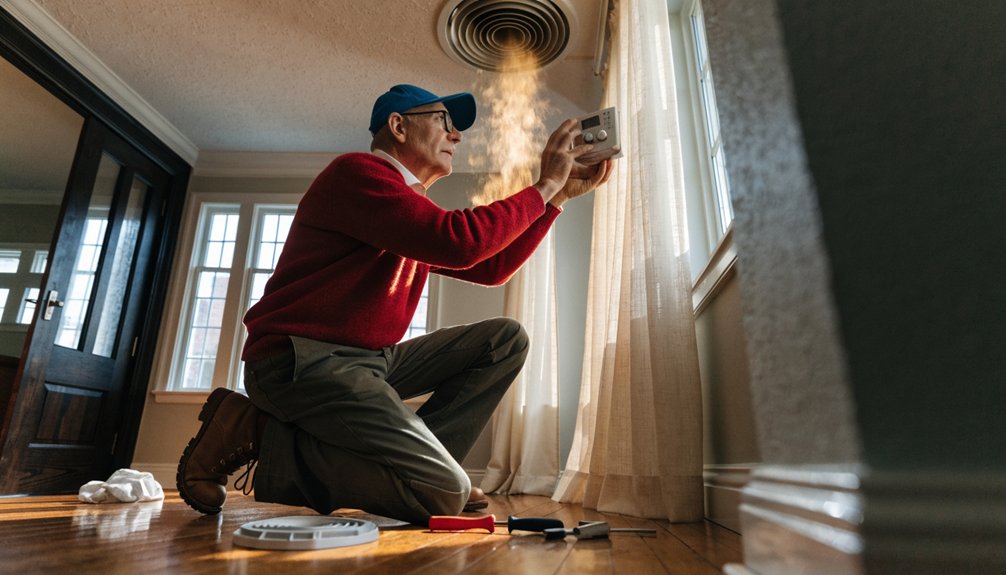
When a ducted heating system starts to fail, the first signs are usually changes in airflow, temperature consistency, or operating noise. You may notice rooms heating unevenly, longer run times, or unexpected cycling. These symptoms often indicate thermostat issues, sensor misreads, or early control board faults affecting system response and timing. You should also watch for rattling, buzzing, burning smells, or persistent clicking during startup and shutdown. Those signs can point to loose components, motor strain, ignition faults, or electrical wear. If your energy bills rise without colder weather, efficiency loss is likely developing. Duct leaks can also trigger heat loss, pressure imbalance, and reduced overall performance. Regularly checking for weak pilot flames, dirty air filters, or ductwork leaks can help you spot developing problems before they seriously affect comfort or safety. By identifying these warning signs early, you can arrange targeted servicing before minor faults become major repair problems or breakdowns.
Why Is Your Ducted Heating Airflow Weak?
Why does airflow from your ducted heating suddenly feel weak even though the system’s still running? The most common cause is restricted air movement somewhere in the system. Start with the return filter: if it’s clogged, the fan can’t draw enough air, which reduces output at every vent. Closed or obstructed supply registers, crushed flexible ducting, dirty evaporator compartments, and failing blower motors can also create airflow blockages. You should also check for leaks in duct joints or disconnected sections in the roof space, because escaping air cuts duct efficiency before warm air reaches the rooms. If the fan speed’s set incorrectly or the motor capacitor is weakening, airflow can drop without a full shutdown. A technician can test static pressure, inspect ducts, and confirm whether cleaning, sealing, or component replacement is needed. Regular professional servicing helps prevent these issues by ensuring efficient operation and early detection of airflow restrictions.
Why Is Your Ducted Heating Uneven?
Uneven ducted heating usually means the system isn’t delivering the same air volume or heat output to each zone. If some rooms feel hot while others stay cool, you’re likely dealing with duct balance problems, restricted branches, or zoning faults. Start by checking whether supply vents are fully open and unobstructed.
- Inspect dampers for incorrect positions
- Check filters for airflow issues
- Look for crushed or leaking duct runs
- Confirm thermostat and zoning settings
- Measure outlet temperatures room by room
You should also compare register airflow across rooms. A weak branch often points to leaks, poor insulation, or excessive duct length. Regular maintenance by a qualified technician helps prevent uneven heating by catching blocked ducts, thermostat faults, and other ducted system issues early. If adjustments don’t restore consistent heating, a technician can rebalance the system and verify static pressure, fan performance, and zone control operation for accuracy.
What Do Strange Ducted Heating Noises Mean?
Strange ducted heating noises usually indicate a specific mechanical or airflow fault, and the sound itself can help narrow the cause quickly. Rattling often points to loose access panels, unsecured screws, or vibrating duct sections. Banging can mean expanding metal ducts, delayed ignition, or a failing blower assembly. If you hear whistling, you’re likely dealing with restricted airflow from a clogged filter, closed vents, or undersized returns. Buzzing usually suggests electrical trouble, such as a worn capacitor, loose wiring, or a struggling motor. Squealing commonly comes from dry bearings or a slipping belt in older units. Clicking at startup is normal, but repeated clicking may signal ignition or control issues. If Strange noises persist, shut the ducted system down and arrange a professional inspection promptly. For ongoing peace of mind, consider scheduling annual inspections with licensed technicians to detect these noise-related faults early and prevent costly repairs.
Why Does Your Ducted Heating Smell Bad?
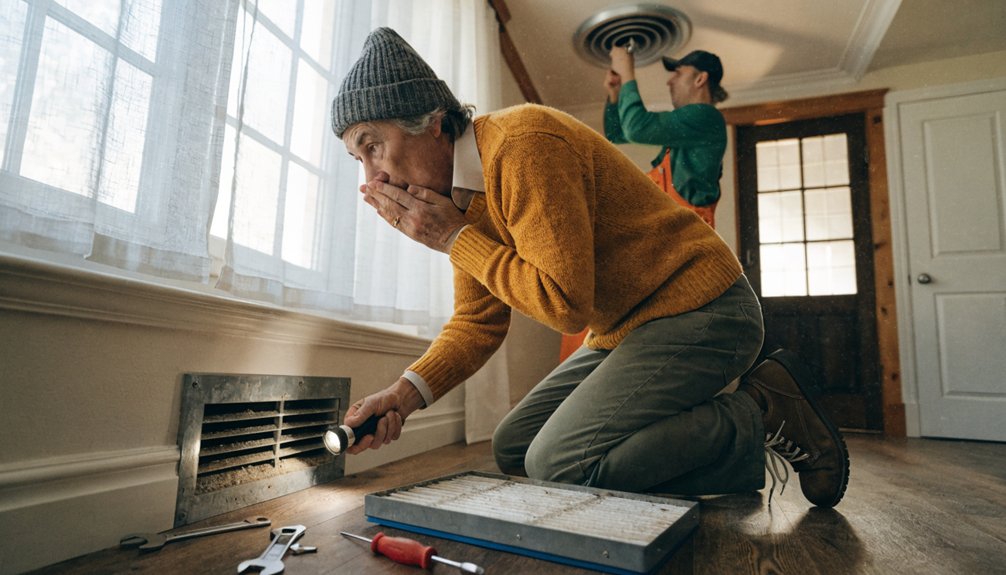
If your ducted heating smells bad, the odor can help you narrow down the fault quickly. A burning dust smell often means buildup on the heat exchanger or vents, while a musty smell can point to moisture, microbial growth, or dirty ductwork. If you notice a gas-like odor, shut the system down immediately, as it may indicate a leak that needs urgent professional inspection. Installing and regularly testing CO detectors can further protect your household by providing early warning of dangerous carbon monoxide levels linked to gas heater faults.
Dust Burning Odor
When your ducted heating gives off a dust burning odor, the most common cause is dust buildup on the heat exchanger, electric elements, or inside the supply ducts that heats up when the system starts. You’ll usually notice it after long shutdown periods, when dust accumulation has settled across internal components. Check these likely sources:
- Clogged return-air filters restricting airflow
- Dust-coated heating elements or exchanger surfaces
- Debris inside supply ducts near outlets
- Infrequent filter maintenance allowing recirculation
- Startup after seasonal inactivity
If the smell fades within a few heating cycles, it’s often normal burnoff. If it persists, inspect filters, vents, and accessible duct sections, or book a technician to clean internal parts safely. Persistent odor can indicate excessive buildup reducing efficiency and overheating components. Don’t ignore unusual discoloration around vents either.
Musty Duct Smells
A musty smell from your ducted heating points more to trapped moisture than dust burnoff, usually somewhere in the return ducting, evaporative cooling section if fitted, insulation lining, or around damp vents.
You’ll need to inspect for condensation, blocked drains, wet filters, roof leaks, or disconnected ducts drawing humid air from ceiling cavities. Musty odours often intensify after shutdown periods because spores and bacteria multiply on damp surfaces. Start with moisture control: dry affected sections, clear drainage points, replace saturated insulation, and improve roof-space ventilation. Then arrange duct cleaning if debris, mould growth, or residue has built up inside returns and outlets. If the smell persists, have a technician check for hidden water entry, damaged vapour barriers, or microbial contamination inside components you can’t safely access yourself.
Gas Leak Warning
Because natural gas and LPG are odorised with mercaptan, a rotten-egg or sulphur smell from your ducted heating should be treated as a potential gas leak, not a normal operating odour. Don’t keep testing the system. Turn it off immediately.
- Shut the heater down at the controller and isolation valve.
- Open doors and windows to disperse accumulated gas safely.
- Don’t use switches, flames, lighters, or electrical appliances nearby.
- Arrange professional gas leak detection and pressure testing immediately.
- Book repairs and servicing to support ongoing gas leak prevention.
If the odour is strongest near the unit, meter, or duct connections, you may have a leaking joint, cracked regulator, or faulty burner assembly. Leave the area if symptoms like dizziness or nausea occur, and contact your gas supplier or emergency technician without delay.
Why Are Your Ducted Heating Bills Rising?
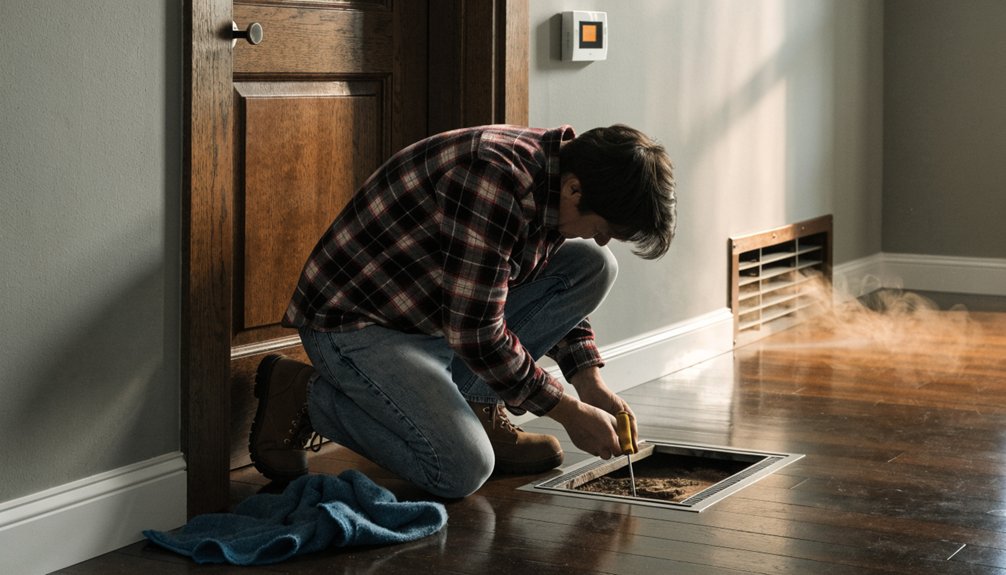
Why are your ducted heating bills climbing even though your usage hasn’t changed much? Rising costs usually point to reduced energy efficiency somewhere in the system. Start by checking clogged filters, blocked return vents, and leaking duct joints, because each issue forces the unit to run longer to reach the thermostat setting. You should also inspect zoning controls and thermostats for calibration errors. Incorporating periodic energy audits into your maintenance plan can uncover hidden inefficiencies and help keep long‑term heating costs under control.
Another common cause is poor insulation around ducts or unsealed gaps in ceiling spaces, which lets heated air escape before it reaches rooms. Dirty burners or a struggling fan motor can also increase power and gas consumption. For practical cost saving tips, schedule regular servicing, replace filters on time, seal accessible duct leaks, and compare room temperatures for airflow imbalances that signal hidden restrictions or failing components.
Should You Repair or Replace Your Ducted Heating?
When should you repair your ducted heating, and when is replacement the smarter call? You’ll need to assess performance, age, and fault frequency. Minor ignition issues, blocked filters, worn belts, or thermostat errors usually favour repair considerations. But if your system is over 15 years old, heats unevenly, cycles constantly, or needs costly parts, replacement factors become harder to ignore. Newer high-efficiency heaters can also lower running costs and reduce emissions over time, making replacement more attractive if your current system is old and inefficient.
- Repair if faults are isolated and parts are available.
- Repair if airflow, temperature control, and safety checks pass.
- Replace if heat exchanger damage is confirmed.
- Replace if energy use stays high after servicing.
- Replace if repair costs approach half a new system.
You should also compare warranty coverage, running costs, and compliance with current efficiency standards before deciding. A technician’s pressure, combustion, and airflow tests will guide you accurately.
Frequently Asked Questions
How Often Should Ducted Heating Be Professionally Serviced?
You should have your ducted heating professionally serviced annually, or every six months with heavy use. This maintenance frequency guarantees safe operation, identifies wear early, and maximizes service benefits like efficiency, reliability, and lower repair costs.
Can Ducted Heating Improve Indoor Air Quality?
Yes—it’s like giving your home’s air a superhero-grade tune-up. Your ducted heating can improve indoor air quality through air filtration and humidity control, if you maintain filters, clean ducts, and service components regularly.
Is Ducted Heating Safe to Use Overnight?
Yes, you can use ducted heating overnight if it’s properly maintained and inspected. You should verify safety features, airflow, and thermostat operation. For better energy efficiency, don’t overheat rooms, and schedule regular professional servicing annually.
How Long Does a Ducted Heating System Usually Last?
You can expect a ducted heating system to last 15–20 years. Your duct lifespan depends on usage, installation quality, and servicing frequency. Follow maintenance tips like filter checks, duct inspections, and burner servicing to maximize durability.
Can Smart Thermostats Work With Ducted Heating Systems?
Yes, you can use smart thermostats with many ducted heating systems, but you’ll need to verify smart thermostat compatibility with your control wiring, voltage, and zoning setup to avoid faults and improve energy efficiency and performance.