
A ducted heater often shows service issues long before it stops working. You can catch many of them by checking thermostat response, filter condition, vent airflow, burner behavior, and any fault indicators. You should also watch for gas odours, soot marks, rattling, or uneven room temperatures, since these can point to safety or performance problems. A short checklist helps you separate normal operation from early warning signs, and the next steps matter more than you might expect.
Key Takeaways
- Test the thermostat by raising the set temperature and checking for normal startup, response time, and any displayed fault codes.
- Turn off power and gas before inspection, then check the cabinet, wiring, gas connections, and heat exchanger for damage or corrosion.
- Inspect and replace dirty filters, and make sure supply vents and return grilles are clean, open, and unobstructed.
- Observe the pilot and burners for steady blue flames, prompt ignition, and safe combustion performance across all burners.
- Arrange service immediately if you notice gas smells, burning odors, weak airflow, uneven heating, soot, or frequent cycling.
Ducted Heating Service Checklist: What to Inspect
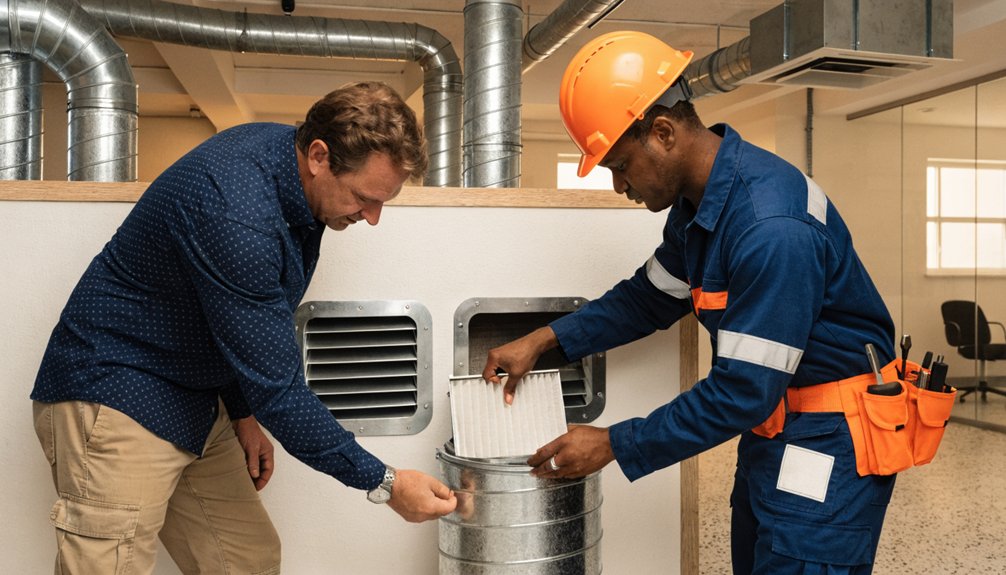
Before you start a ducted heating service, inspect the system in a structured sequence: confirm thermostat operation, check for fault codes, and isolate power and gas where required for safe access. Then examine the cabinet, burner compartment, heat exchanger surfaces, ignition components, wiring, and gas connections for wear, corrosion, looseness, or heat damage. Careful attention to regular servicing helps prevent costly breakdowns and supports better air quality throughout the home. You should verify combustion performance, test safety switches, inspect the flue for secure joints and signs of leakage, and confirm condensate drainage where applicable. Listen for abnormal startup or shutdown behavior, and note vibration that could indicate mechanical imbalance. Check for soot, scorching, or moisture staining around internal sections, because these symptoms often point to developing faults. Careful ducted heating maintenance improves reliability, supports energy efficiency, and reduces avoidable safety risks over time.
Check Ducted Heating Filters, Vents, and Airflow
Once the internal components have been checked, assess filters, supply vents, return grilles, and overall airflow to confirm the system can move air safely and at the required volume.
- Remove and inspect filters for dust loading, tears, or moisture. Replace clogged media to protect air quality and maintain duct efficiency.
- Confirm supply vents are open, clean, and unobstructed by furniture, rugs, or curtains that restrict discharge.
- Check return grilles for buildup and verify they’re not blocked, as restricted return air reduces balanced circulation.
- Compare airflow room to room. Uneven output can indicate leakage, damper misadjustment, crushed ducting, or fan performance issues.
If airflow seems weak, note noise changes, temperature variation, and static pressure concerns so you can report accurate symptoms during service visits later. In homes that also use hydronic heating alongside ducted systems, maintaining clear airflow paths helps both systems deliver more consistent comfort and better indoor air quality.
Watch for Ducted Heating Safety Warning Signs
Although normal airflow checks help confirm basic operation, you should also look for safety warning signs that indicate combustion, electrical, or ventilation faults requiring immediate attention. If you smell gas, notice scorching near registers, hear buzzing at the unit, or see soot around supply outlets, shut the system down immediately and arrange professional inspection.
You should also monitor for tripped breakers, melted insulation, discolored access panels, or moisture around flue components. These symptoms can signal overheating, wiring degradation, condensate leaks, or exhaust backdrafting. Check whether rooms develop persistent stuffiness, headaches, or uneven temperatures during operation, since poor ventilation can affect duct safety and occupant health. Addressing these warning signs quickly protects heating efficiency, reduces fire risk, and helps prevent carbon monoxide exposure or major component failure. Incorporating annual gas leak checks into your maintenance routine further reduces health risks such as headaches, respiratory issues, and potential carbon monoxide poisoning linked to undetected leaks.
Test the Thermostat, Pilot Light, and Burners
Three quick checks can confirm whether your thermostat, pilot light, and burners are operating within safe limits. Use a methodical approach so you can verify control accuracy, ignition quality, and stable combustion. In addition to these checks, schedule regular gas heater servicing with a qualified Melbourne technician to ensure overall system safety and efficiency.
- Set the thermostat above room temperature and confirm startup timing matches expected thermostat calibration values.
- Check the pilot light, if fitted; it should burn steady blue, not yellow, wavering, or split.
- Observe burner ignition. Flames should light promptly across all burners without delay, popping, or rollout.
- Inspect flame colour and shape during operation; even blue flames indicate proper air-gas balance and better burner efficiency.
If readings or flame characteristics fall outside manufacturer specifications, isolate power and gas before arranging professional inspection. Don’t reset controls repeatedly, since that can mask faults during testing.
Signs You Need a Ducted Heating Service
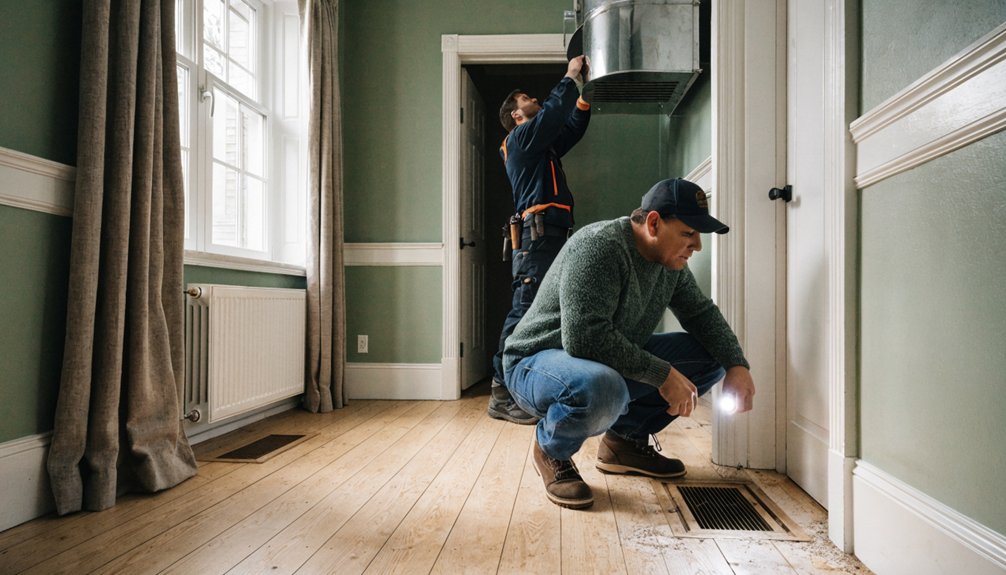
When your ducted heating system starts showing changes in performance, noise, or combustion behaviour, it’s usually indicating that service is due rather than a minor fluctuation. If you notice weaker airflow, delayed ignition, uneven room temperatures, or rising gas usage, you shouldn’t ignore them. These symptoms often point to blocked filters, burner contamination, fan motor wear, or duct leakage affecting energy efficiency. You should also watch for burning smells, rattling, yellow pilot flames, soot marks, or frequent cycling. Those signs can indicate incomplete combustion, overheating, electrical faults, or airflow restriction, all of which increase safety risk. If your carbon monoxide alarm activates, shut the system down immediately and arrange inspection. Tracking service frequency helps you identify recurring faults early, reduce component stress, and maintain safe, stable operation. Regular ducted heating maintenance checks can also prevent unexpected failures and improve energy efficiency over the life of your system.
Frequently Asked Questions
How Often Should Ducted Heating Be Professionally Serviced?
You should have your ducted heating professionally serviced every 12 months; like a lighthouse, it guards winter reliability. You’ll protect system efficiency, confirm duct cleaning importance, detect faults early, and reduce safety risks through diagnostic inspection.
What Is the Average Lifespan of a Ducted Heating System?
You can expect your ducted heating system to last 15–20 years on average. With proper ducted heating maintenance, you’ll reduce common ducted issues, improve operating safety, and delay component failure through regular diagnostic servicing and inspections.
Can Ducted Heating Increase My Energy Bills Significantly?
Yes—like a thirsty engine, your ducted heating can raise bills considerably if it’s inefficient, leaking, or poorly maintained. You’ll improve energy efficiency and cost savings through filter checks, duct inspections, thermostat calibration, and safe servicing.
Are Ducted Heating Services Covered Under Home Warranty Plans?
Yes, you’re sometimes covered under home warranty plans, but warranty coverage varies by provider, system age, and fault type. You’ll need to verify maintenance requirements, exclusions, and safety-related diagnostic documentation before booking ducted heating service.
How Long Does a Typical Ducted Heating Service Appointment Take?
You’ll typically need 1–2 hours—an eternity if faults are hidden. Your ducted maintenance appointment’s service duration depends on diagnostics, airflow testing, filter inspection, burner checks, and safety verification. Complex repairs can extend the visit.