
Just when your heater seems to be running fine, that’s often when missed service starts causing trouble. You may not notice dust buildup, airflow restriction, or a worn part until the system begins cycling harder than it should. What looks minor can raise utility costs, strain key components, and shorten equipment life. If you know which early signs matter most, you can avoid the kind of repair that doesn’t stay small for long.
Key Takeaways
- Skipping heating service lets dust, clogged filters, and worn parts reduce efficiency and increase strain on the system.
- Small issues like loose connections or airflow restrictions can grow into major component failures if left unchecked.
- Neglected burners, sensors, and blowers may operate unsafely, raising the risk of breakdowns and costly repairs.
- Warning signs such as uneven heating, short cycling, and higher energy bills often indicate problems that worsen without service.
- Annual maintenance, especially before fall, helps catch faults early, restore performance, and avoid expensive emergency repairs.
How Missed Heating Service Starts Small Problems
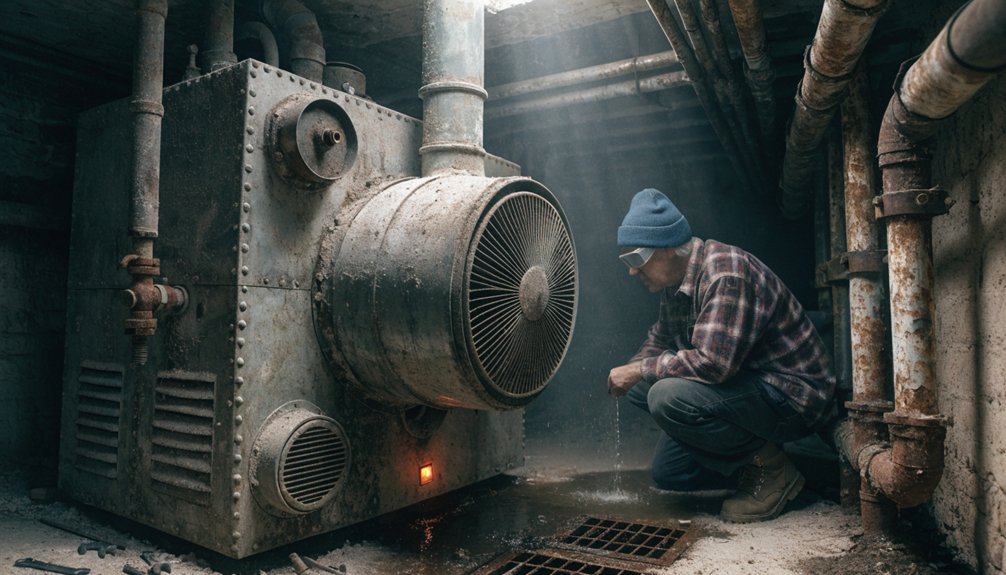
When you skip routine heating service, small mechanical and airflow issues often begin long before the system fails outright. Dust collects on burners, belts lose tension, and filters restrict circulation, forcing your equipment to run longer for the same output. That extra runtime steadily reduces thermal efficiency.
Without preventative maintenance, minor wear doesn’t stay isolated. Bearings operate with less lubrication, electrical connections loosen, and calibration drifts in thermostats and safety controls. You may not notice immediate performance loss, but internal components experience higher stress, uneven temperatures, and unnecessary cycling. Over time, that strain accelerates part degradation and raises operating costs. By neglecting regular inspections by licensed technicians, these growing issues can turn into unexpected breakdowns that demand more extensive and costly repairs.
Regular service corrects these conditions early through cleaning, tightening, lubrication, and testing. By addressing small imbalances promptly, you protect heat transfer, maintain proper airflow, and preserve reliable system operation overall.
How to Spot Heating Service Warning Signs
Although heating problems often develop gradually, your system usually shows measurable warning signs before a breakdown occurs. You should track uneven room temperatures, delayed startup, short cycling, or airflow that feels weaker than normal. Those are reliable warning indicators that components may be drifting out of calibration or starting to fail. You should also pay attention to rising utility bills, unusual burner smells, rattling, buzzing, or repeated thermostat adjustments. If your filter clogs quickly or your system runs longer to reach set temperature, performance is slipping. Check visible vents, listen during startup and shutdown, and note whether heat output matches demand. Comparing current operation against past service frequency helps you identify changes early. When you document these symptoms promptly, you give a technician clearer data and reduce diagnostic delays later. Regularly checking and replacing dirty or clogged air filters can prevent many of these early warning signs from developing into major heater failures.
How Skipping Heating Service Wears Systems Down
Because routine service corrects small performance losses early, skipping it lets friction, restricted airflow, and calibration drift compound across the system. You may not notice the decline at first, but your heater runs longer to reach the same temperature, which steadily reduces system efficiency. Dirty burners, clogged filters, and dry motor bearings increase operating strain while sensors and controls lose accuracy over time. When maintenance neglect continues, heat exchangers cycle under uneven conditions, blower assemblies move less air, and combustion components collect residue that disrupts stable operation. You’re also more likely to see short cycling, inconsistent room comfort, and delayed starts as wear spreads between connected parts. Regular service restores tolerances, airflow, and combustion balance before those small deviations become chronic mechanical stress throughout the entire unit. In regions with cold winters like Melbourne, skipping regular gas heater servicing also increases the risk of gas leaks and carbon monoxide buildup while driving up energy bills.
Why Heating Repairs Get Expensive Fast
As minor faults are left uncorrected, heating repairs tend to get expensive quickly since one failing component rarely stays isolated for long. When airflow drops, heat exchangers overheat, motors strain, and electrical parts cycle harder than designed. You don’t just lose energy efficiency; you accelerate wear across the system, turning a small adjustment into multiple replacements.
- You pay more when neglected sensors force burners, blowers, or igniters to operate outside safe tolerances.
- You risk sudden breakdowns when friction, vibration, and short cycling damage connected assemblies.
- You lose cost savings because hidden inefficiencies raise utility use while repair scope expands.
A practical response is addressing abnormal noise, uneven heating, or rising bills early, before collateral damage spreads and repair labor, parts, and diagnostic time multiply faster. Neglecting early warning signs instead of scheduling regular maintenance can also shorten equipment lifespan and increase the likelihood of sudden, costly heating system failures.
When to Schedule Heating Service

The best time to schedule heating service is before performance drops enough to stress the system and raise operating costs. You should book seasonal maintenance in early fall, before continuous demand exposes worn belts, dirty burners, restricted filters, or weak electrical connections. Regular professional servicing at least once a year also helps maintain air quality, reduce energy consumption, and extend the lifespan of your ducted heating system. Preseason inspection lets technicians calibrate controls, verify airflow, test safety devices, and correct combustion issues before they accelerate component wear.
You shouldn’t wait for uneven heating, short cycling, strange odors, or rising utility bills. Those symptoms usually mean reduced energy efficiency and a system already operating outside ideal parameters. If your equipment is older, has missed annual service, or ran heavily last winter, schedule an inspection sooner. Preventative service protects heat exchangers, motors, and ignition parts, helping you avoid midseason breakdowns, emergency pricing, and larger repair scopes.
Frequently Asked Questions
Can Heating Service Improve Indoor Air Quality?
Yes, heating service can improve your indoor air quality by optimizing air filtration, cleaning components, and reducing dust circulation. You’ll also support energy efficiency, prevent airflow restrictions, and catch contamination issues before they worsen.
Are Heating Service Plans Worth the Annual Cost?
Yes, they’re usually worth it—even if you hate extra bills. You get annual savings through optimized performance, fewer breakdowns, and proper service frequency, which helps you prevent wear, catch faults early, and avoid expensive emergency repairs.
How Long Does a Typical Heating Service Appointment Take?
A typical heating service appointment takes 60 to 90 minutes, though your system’s condition affects service duration. You’ll get better appointment efficiency when filters, vents, and access panels are clear before the technician arrives.
Does Heating Service Affect Manufacturer Warranty Coverage?
Yes—about 60% of denied HVAC claims involve missed maintenance, so you can’t ignore heating service. It supports warranty compliance by documenting required service frequency, helping you prevent disputes, protect coverage, and catch issues before failures escalate.
Should Tenants or Landlords Schedule Heating Service?
You should check your lease: tenant responsibilities may include filter changes or reporting issues, while landlord obligations usually cover scheduling professional heating service, code compliance, and system reliability. Preventative maintenance reduces breakdown risk and documentation disputes.