
As temperatures drop, you can’t afford to ignore subtle changes in your ducted heating system. Longer burner start-up times, uneven room temperatures, weak airflow, or unusual noises aren’t just annoyances—they’re potential safety and efficiency issues that may breach manufacturer guidelines or Australian Standards. If your energy bills spike or you notice yellow burner flames, the risks increase. Knowing which signs matter—and what to do next—can make all the difference this winter.
Key Takeaways
- Your heater takes longer to start, cycles frequently, or struggles to maintain set temperatures across different rooms.
- Energy bills suddenly spike despite unchanged thermostat settings and similar usage patterns.
- You notice unusual noises, burnt smells, soot, or discoloration around vents, returns, or the heater cabinet.
- Airflow feels weak or uneven from some vents, indicating possible duct leaks, blockages, or static pressure issues.
- You see recurring fault codes, yellow or unstable burner flames, or suspect any gas or carbon monoxide safety risks.
Early Signs Your Ducted Heating Needs Service
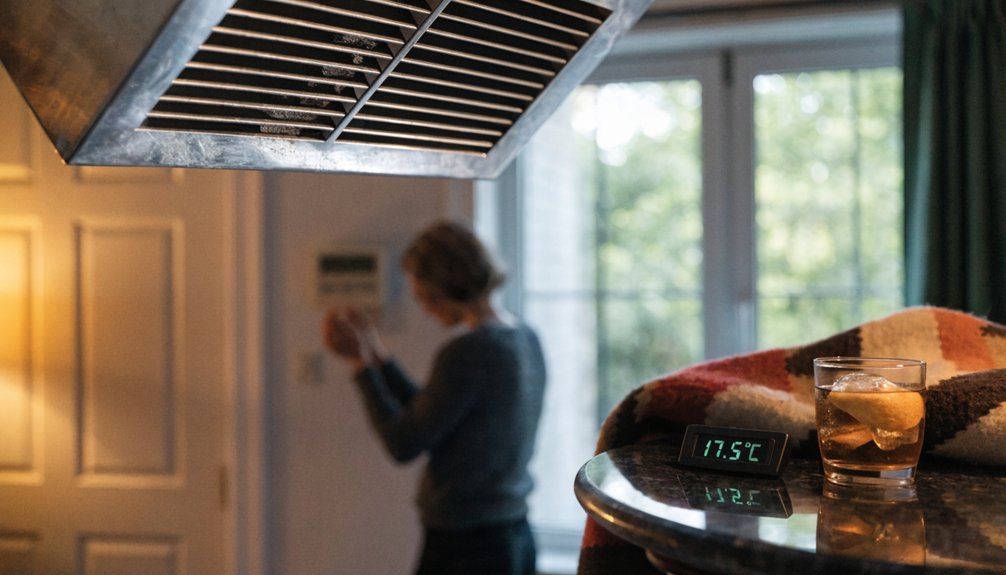
Although ducted heating systems are designed for reliable, long-term operation, subtle changes in performance often signal they’re due for professional service. You should pay attention to longer burner start‑up times, frequent cycling, or a noticeable increase in gas or electricity use under the same thermostat settings. These symptoms typically indicate restricted airflow or combustion issues that basic filter maintenance alone won’t resolve safely. Regular gas heater servicing also helps prevent hazards like gas leaks and carbon monoxide buildup while keeping your system running efficiently through winter.
Unusual noises—such as new rattling, humming, or vibration from the fan compartment or return air grille—also warrant a qualified system inspection. Ignoring them can lead to motor failure or heat exchanger fatigue. Any burnt smells, discolouration around supply registers, or visible dust streaking near return grilles further suggest leakage, overheating risks, or contamination that must be assessed to Australian Standards.
Comfort Problems: Uneven Heat and Weak Airflow
Performance red flags aren’t limited to strange noises and rising energy bills; comfort issues like uneven heat and weak airflow are just as significant. When some rooms feel stuffy while others stay cold, your system’s heat distribution and static pressure balance are likely compromised. Ignoring these airflow issues can push your equipment outside design conditions, increasing wear and reducing indoor comfort.
Here’s what to watch for before winter:
- Room-to-room temperature swings despite a correctly set thermostat, indicating undersized or obstructed ducts.
- Weak supply air from certain vents, often caused by leaks, crushed flex duct, closed dampers, or blocked return air paths.
- Frequent thermostat adjustments because you can’t maintain stable temperatures, suggesting the system needs professional testing and balancing.
Timely attention to these comfort problems through regular ducted heating maintenance helps prevent unexpected failures, improve efficiency, and extend your system’s lifespan before the colder months arrive.
Cost and Safety Red Flags in Ducted Heating
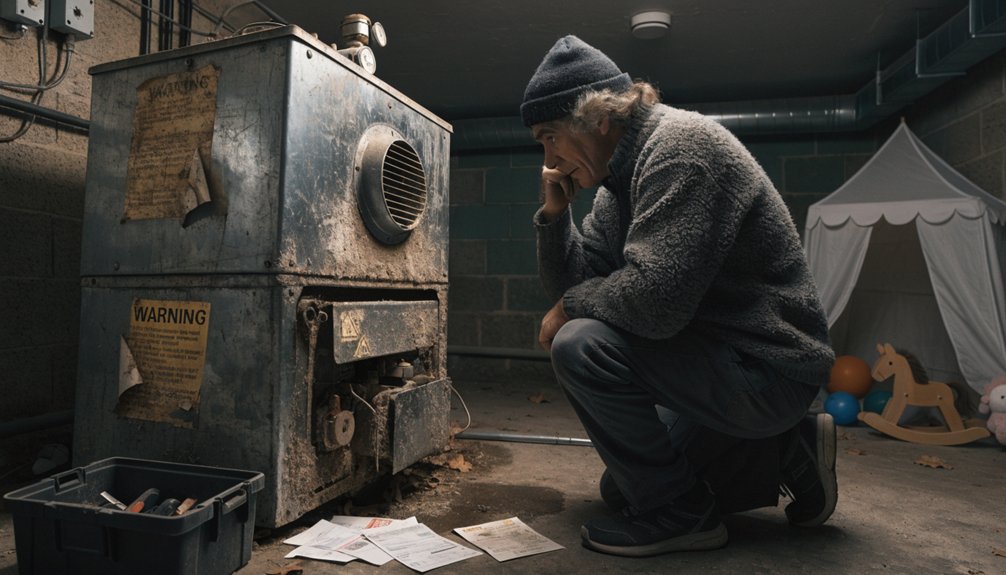
When operating costs climb or safety indicators change, your ducted heating system needs immediate attention, not wait-and-see monitoring. A sudden spike in energy bills without a change in thermostat settings signals reduced efficiency, leakage, or failing components with serious cost implications over the season. Annual professional inspections are also crucial for identifying potential carbon monoxide leaks early and ensuring your gas heater is operating safely and efficiently.
You should also treat any burner irregularities, frequent cycling, or abnormal fan noise as potential safety hazards. For gas systems, the highest‑priority warnings include yellow or unstable flames, scorch marks, soot around vents, or recurring fault codes on the controller. These can indicate incomplete combustion, flue blockages, or heat exchanger cracks, which are associated with carbon monoxide risk and non‑compliance with relevant gas and electrical standards, including ventilation and exhaust requirements.
DIY Ducted Heating Checks vs. When to Call a Pro
Rising costs and new safety red flags don’t always mean your system’s about to fail, but they do mean you need to decide what you can check yourself and what legally and safely belongs to a licensed technician. Your DIY maintenance should stay strictly non-invasive and comply with local gas and electrical standards.
- Inspect return air grilles and accessible vents. Remove dust buildup, verify furniture isn’t blocking airflow, and check that registers open and close smoothly.
- Monitor performance: unusual smells, new noises, frequent cycling, or uneven room temperatures indicate the need for a professional assessment.
- Check thermostats and visible duct joints only. Replace batteries, confirm programmed settings, and visually look for detached or crushed duct sections—don’t open the heater cabinet, touch gas pipework, or alter wiring; those require a qualified technician. Regular, non-invasive checks combined with scheduled professional maintenance dramatically reduce the risk of unexpected breakdowns when winter hits.
What a Professional Ducted Heating Service Includes for Winter
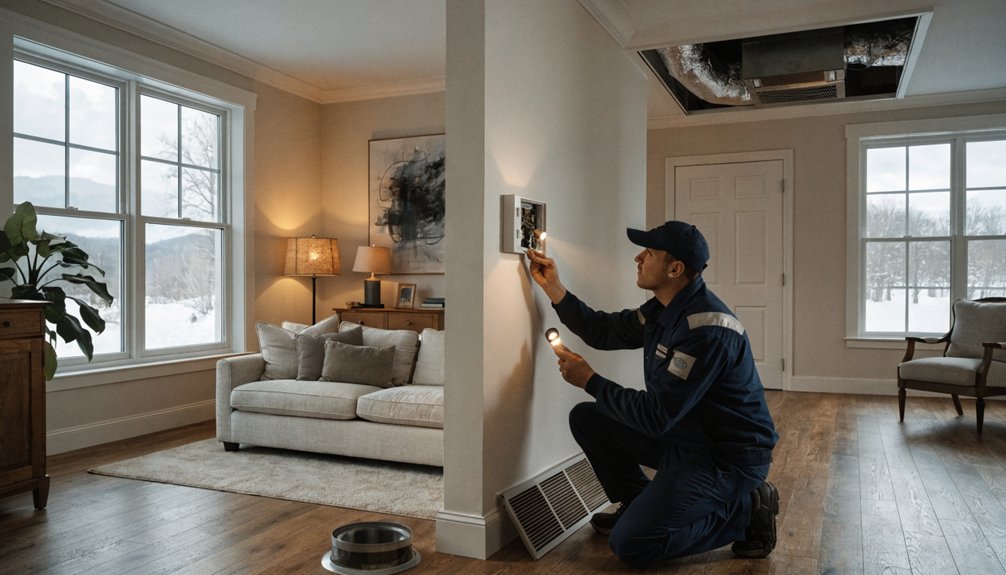
Although every brand and layout is different, a professional ducted heating service for winter follows a structured process that goes far beyond a quick visual check. A licensed technician will isolate power and gas, verify appliance clearances, and perform system maintenance on the heater, fan, and controls, following AS/NZS safety standards. They’ll test combustion, carbon monoxide, and gas pressures, then inspect and seal ducts for leaks that waste heat and create negative pressure risks. Filters, return air grilles, and vents are cleaned or replaced to maintain airflow and indoor air quality. Regular servicing with skilled technicians also helps identify minor issues early, improving efficiency and extending the life of your ducted heating system.
| Step | Focus Area | Outcome |
|---|---|---|
| 1 | Safety checks | Verified safe operation |
| 2 | Combustion testing | Correct gas/air balance |
| 3 | Duct inspection | Reduced heat loss |
| 4 | Controls calibration | Stable temperatures |
| 5 | Efficiency upgrades | Lower running costs |
Frequently Asked Questions
How Often Should Ducted Heating Be Professionally Serviced in Australian Homes?
You should get ducted heating professionally serviced annually, with additional seasonal inspections before winter. This schedule guarantees compliant duct maintenance, maximises efficiency, checks gas-tightness, verifies ventilation and carbon monoxide safety, and helps your system meet Australian Standards and manufacturer warranty requirements.
Can Upgrading My Thermostat Improve Ducted Heating Performance and Efficiency?
Yes, an upgraded thermostat can greatly improve ducted heating performance and efficiency—smart controls cut heating costs by up to 23%. Advanced thermostat features optimise zoning, schedules, and safe temperature limits, delivering measurable energy savings while supporting Australian Standards and manufacturer specifications.
Do Ducted Heating Services Differ Between Gas and Electric Systems?
Yes, they differ. For gas systems, you’ll need combustion checks, flue integrity verification, and gas efficiency tuning. Electric ducted units require element testing, control calibration, and regular electric maintenance to meet AS/NZS safety and performance standards.
Will Professional Servicing Help Reduce Dust and Allergy Triggers From My Ducts?
Yes, professional servicing can greatly cut dust and allergy triggers. Since up to 30% of indoor particles circulate through HVAC systems, certified technicians improve duct cleanliness, filter performance, and sealing—directly supporting allergy reduction and maintaining ASHRAE-compliant indoor air quality.
How Long Does a Standard Ducted Heating Service Appointment Usually Take?
It usually takes 1.5–3 hours, depending on system size and condition. You’ll confirm service duration during appointment scheduling, allowing time for safety checks, airflow testing, cleaning, and compliance verification with relevant Australian standards and manufacturer specifications.