
Regular heating service helps you keep your system safe, stable, and efficient through every cold stretch. During a visit, a technician checks key components, cleans buildup, verifies airflow, and confirms that controls are working correctly. That reduces wear, limits energy waste, and helps catch small faults before they turn into expensive failures. If you’ve noticed uneven heat or higher utility costs, the cause may be simpler than you think.
Key Takeaways
- Regular heating service keeps your system efficient, safe, and ready for heavy winter use.
- Technicians inspect and clean burners, blowers, filters, wiring, and thermostat controls to maintain reliable performance.
- Safety checks help detect gas leaks, vent blockages, and cracked heat exchangers before they become dangerous.
- Routine maintenance improves airflow and thermostat accuracy, which helps lower energy bills and keep rooms evenly heated.
- Early service catches wear and minor problems before they cause breakdowns, costly repairs, or shortened equipment life.
Why Regular Heating Service Matters
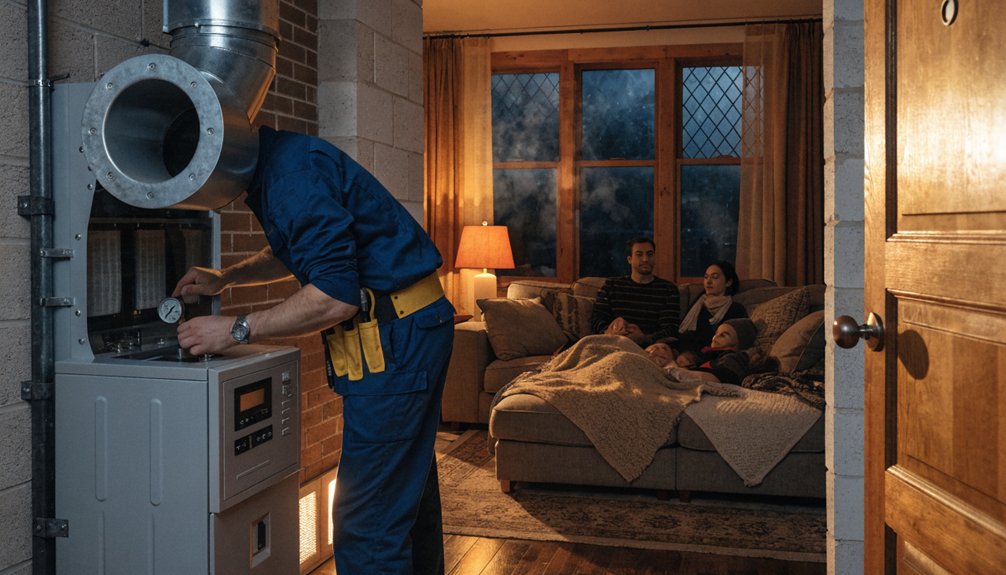
Because your heating system operates under sustained thermal and mechanical stress, regular service is essential for maintaining efficiency, safe operation, and reliable performance. Without routine attention, combustion irregularities, airflow restrictions, worn electrical connections, and calibration drift can reduce output while increasing energy consumption and failure risk. Regular service helps you protect critical components before minor wear escalates into unsafe operation or expensive breakdowns. You gain importance awareness by understanding how neglected burners, heat exchangers, filters, or controls can affect carbon monoxide risk, temperature stability, and system lifespan. Service also supports seasonal preparation, so your equipment can handle peak demand during cold weather without avoidable strain. By keeping the system clean, adjusted, and monitored at proper intervals, you improve reliability, preserve efficiency, and reduce the chance of mid-season heating interruptions. In addition, regular gas heater servicing can help prevent gas leaks and carbon monoxide buildup while ensuring efficient operation during winter.
What’s Included in a Heating Service Visit
During a heating service visit, your technician inspects critical system components to verify proper operation and identify wear, leaks, or airflow restrictions. You’ll also have key parts cleaned to reduce buildup that can lower efficiency and strain the equipment. Safety checks confirm controls, electrical connections, and combustion performance are operating within safe limits. Regular professional servicing also helps maintain air quality by preventing contamination and keeping your ducted heating system running efficiently.
System Component Inspection
A complete system component inspection starts with the parts that most directly affect safe, efficient operation: the heat exchanger, burners, ignition assembly, blower motor, filters, electrical connections, and thermostat controls. Your technician verifies each component’s condition, alignment, response, and wear so your system can operate within manufacturer specifications and without unnecessary strain.
You’ll also benefit from thermostat calibration to confirm accurate temperature readings and reliable cycling. Electrical terminals are checked for secure contact, while blower performance is reviewed for proper airflow and motor function. A duct inspection helps identify leaks, restrictions, or disconnected sections that can reduce delivered heat and increase runtime. By examining these interconnected components methodically, you catch performance issues early, support consistent indoor comfort, and reduce the risk of unexpected mid-season breakdowns and costly repairs later.
Cleaning And Safety Checks
To keep your heating system operating safely, your technician cleans critical areas that can impair combustion, airflow, and control performance if debris is allowed to build up. You’ll benefit from burner cleaning, blower compartment vacuuming, and vent inspection to reduce strain and overheating risks. They’ll also perform filter replacement and thermostat calibration to maintain proper cycling and temperature accuracy.
| Area | Service | Safety Benefit |
|---|---|---|
| Burners | Remove soot | Improves combustion |
| Blower | Clear dust | Restores airflow |
| Venting | Check blockage | Prevents hazards |
Your technician tests safety controls, confirms flame sensor response, and checks for gas leaks or cracked heat exchangers. These steps help you avoid carbon monoxide exposure, short cycling, and wasted energy while keeping your equipment efficient, stable, and reliable all season.
Signs Your Heating System Needs Service
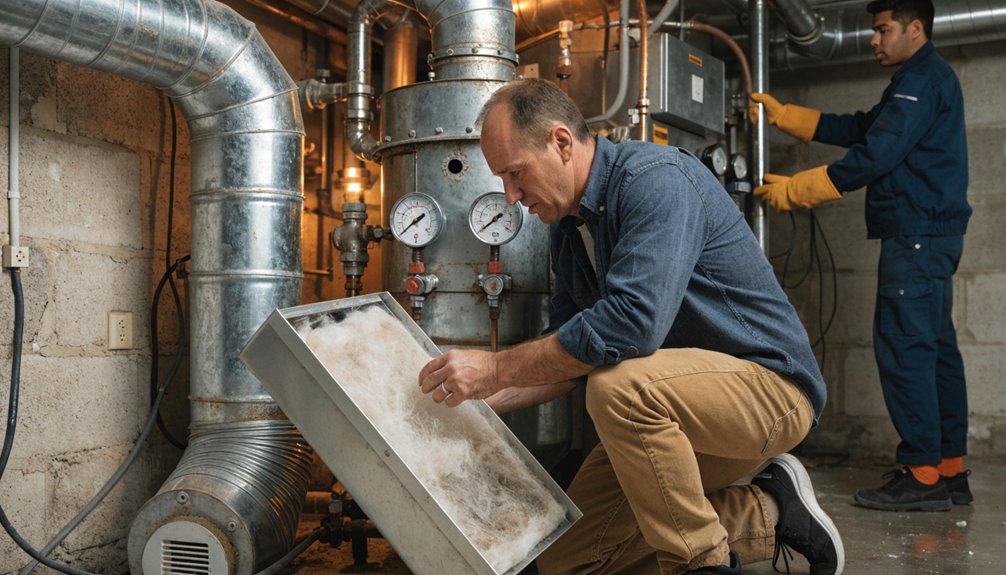
If you’re noticing uneven room temperatures, your heating system may be losing airflow balance or control accuracy. Strange noises such as banging, rattling, or squealing can indicate worn components or developing mechanical faults that shouldn’t be ignored. If your energy bills keep rising without a change in usage, you likely need service to restore safe, efficient operation. Regular annual inspections by a professional can catch issues like dirty filters, pilot light problems, or ductwork leaks early, helping maintain consistent warmth and efficiency.
Uneven Room Temperatures
When some rooms stay noticeably colder or warmer than others, your heating system may be struggling with airflow imbalance, duct leakage, thermostat issues, or declining equipment performance. You’ll often notice poor temperature balance, reduced room comfort, persistent draft issues, and inconsistent heat distribution between thermal zones.
These symptoms can point to insulation impact, blocked vents, dirty filters, airflow problems, or incorrect system calibration. If you ignore them, your equipment may run longer, waste energy, and place added stress on critical components. You should check that registers are open, filters are clean, and furniture isn’t restricting circulation. A professional heating service can measure duct pressure, inspect dampers, verify thermostat accuracy, and test output safely. Timely adjustments help restore even heating, protect efficiency, and reduce the risk of avoidable wear during colder months.
Strange Noises Emerging
Strange noises are another common warning that your heating system needs attention. If you hear banging, screeching, rattling, or popping during startup or operation, internal components may be loose, worn, or obstructed. Ignoring strange sounds can let minor mechanical faults turn into damaged burners, failing blower motors, or cracked belts.
You should shut the system off if noises are sudden, loud, or accompanied by burning odors. Safe troubleshooting tips include checking the air filter, confirming vents aren’t blocked, and noting when the noise occurs. Don’t remove access panels or inspect electrical parts yourself. A qualified technician can test bearings, tighten hardware, inspect the heat exchanger, and verify combustion safety. Prompt service protects your equipment, reduces breakdown risk, and helps maintain steady, reliable heating performance throughout winter.
Rising Energy Bills
Although utility rates can fluctuate seasonally, a noticeable jump in your heating bills often signals that your system is working harder than it should. Reduced energy efficiency may stem from clogged filters, burner issues, airflow restrictions, or unsafe combustion performance that demands prompt inspection.
You should compare thermostat settings with actual indoor comfort and review usage habits for unnecessary runtime. Professional service can restore climate control, verify safety controls, and align maintenance schedules with manufacturer requirements. If losses persist, ask about energy audits to identify duct leakage, failing components, or poor envelope performance. Technicians may recommend insulation upgrades or targeted system upgrades to improve output and reliability. These corrections often deliver measurable cost savings, and available utility incentives can offset improvement expenses while supporting long-term efficiency and household safety.
When to Schedule Heating Service
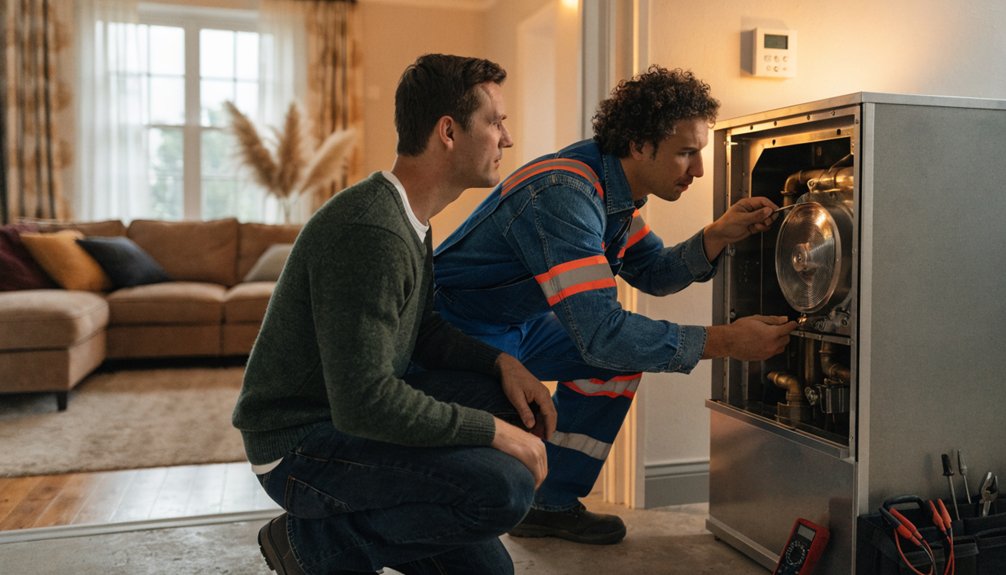
Before cold weather puts your system under sustained load, schedule heating service in early fall so a technician can inspect burners, heat exchangers, electrical connections, airflow, and safety controls under controlled conditions. This timing supports seasonal considerations by identifying wear before startup cycles become frequent and before emergency demand limits appointment availability. You can also take advantage of Johns Refair’s free consultations to discuss central heating repair options and plan any necessary maintenance or upgrades ahead of peak winter demand.
You should also schedule service after unusual noises, short cycling, delayed ignition, burning odors, or thermostat inconsistencies. These conditions can indicate ignition faults, airflow restrictions, cracked components, or control issues that require prompt diagnosis. Your homeowner responsibilities include replacing filters regularly, keeping supply and return vents unobstructed, and documenting changes in performance between visits. If you’ve completed renovations, experienced power surges, or restarted a long-idle system, book an inspection to verify safe operation.
How Heating Service Improves Efficiency
When heating equipment is serviced on schedule, it doesn’t have to work as hard to deliver the same indoor comfort. You benefit from cleaner burners, calibrated controls, and unobstructed airflow, all of which support energy optimization. A technician can verify combustion settings, inspect the heat exchanger, and measure static pressure to confirm safe, efficient operation. Sealing drafts and insulating windows further supports efficiency by reducing heat loss, allowing your serviced system to maintain comfortable temperatures without excessive energy use.
You’ll also see better system performance when filters are replaced, blower components are cleaned, and thermostats are tested for accurate response. These steps help your furnace or heat pump maintain target temperatures with less wasted fuel or electricity. Regular service can also reduce cycling issues that strain components and disrupt airflow balance. By keeping sensors, vents, and moving parts operating within manufacturer specifications, you improve efficiency while supporting safer indoor heating conditions throughout the season.
How Maintenance Prevents Costly Breakdowns
Because routine heating maintenance catches wear early, you’re far less likely to face an unexpected breakdown during peak cold weather. During service, a technician inspects burners, heat exchangers, ignition components, electrical connections, and airflow restrictions that can trigger unsafe operation or sudden shutdowns. You also get filters changed, controls tested, and moving parts lubricated before friction, dirt, or loose wiring create larger faults. By addressing issues like blocked air filters and thermostat malfunctions during routine service, technicians help maintain consistent comfort and reduce the strain that extreme cold places on your system.
These preventative measures reduce the chance that a minor issue will escalate into a failed blower motor, cracked igniter, or tripped safety switch when you need heat most. You’ll also benefit from cost savings because scheduled corrections are usually simpler and less expensive than emergency repairs, after-hours service calls, damaged components, or repeated system resets. Regular checks help you avoid inconvenience, safety risks, and unnecessary repair bills.
How Service Helps Your System Last Longer
Avoiding breakdowns is only part of the value of routine heating service; it also helps your equipment last closer to its intended service life. During service, a technician inspects burners, heat exchangers, electrical connections, safety controls, and moving components for wear, corrosion, and improper operation.
When those issues are corrected early, your heater doesn’t keep running under damaging conditions that shorten system longevity. Lubrication reduces friction at motors and bearings, calibration keeps controls operating within safe ranges, and filter replacement limits dust buildup that can strain internal parts. You also lower the risk of overheating, cracked components, and ignition problems that can escalate into permanent damage. These maintenance benefits protect critical assemblies, support reliable operation, and help you postpone premature replacement while keeping your heating system safer throughout each season of use. Regular heating service also improves energy efficiency, helping reduce wasted fuel and unnecessary strain on components over time.
How Heating Service Lowers Energy Bills
Even minor inefficiencies can raise operating costs, routine heating service helps lower your energy bills by keeping the system clean, properly adjusted, and free of performance restrictions. When burners, heat exchangers, filters, and blower components are inspected and serviced, your equipment doesn’t have to run longer to maintain target temperatures. You also benefit from verified airflow, accurate thermostat calibration, tight electrical connections, and proper fuel or ignition performance. These checks improve energy efficiency while reducing strain that can increase consumption over time. Safety matters too, because blocked vents, dirty components, or combustion issues can reduce output and create hazardous operating conditions. By correcting small problems early, you support steady heat delivery, prevent wasted energy, and improve overall system reliability. That combination leads to measurable cost savings throughout the heating season. In Melbourne, booking routine ducted heating service with skilled technicians ensures performance issues are addressed promptly, preventing high energy bills and extending system life.
How to Choose a Heating Service Company
How do you identify a heating service company that will protect both system performance and household safety? Start by verifying licensing, insurance, and manufacturer training. Confirm the company handles combustion analysis, airflow testing, electrical diagnostics, and venting inspection, not just basic cleanings. Review its service credentials for certifications, code compliance knowledge, and documented experience with your equipment type. Look for providers that emphasize annual gas leak inspections and can explain how regular leak detection helps prevent health risks and extend heater lifespan.
Next, compare customer reviews for patterns involving punctuality, clear reporting, and resolved safety issues. You should ask whether technicians provide written estimates, maintenance checklists, and test results after each visit. A reliable company won’t avoid questions about carbon monoxide testing, heat exchanger inspection, or emergency response procedures. Choosing a provider with transparent processes helps you reduce breakdown risk, maintain efficiency, and keep your home safer all season.
Frequently Asked Questions
Can Heating Service Improve Indoor Air Quality?
Yes, heating service can improve your indoor air quality by maintaining air filters, optimizing ventilation systems, supporting humidity control, and scheduling duct cleaning. You’ll reduce dust, allergens, and airflow contaminants while keeping your system operating safely.
Are Maintenance Plans Worth the Yearly Cost?
Yes, they’re usually worth the yearly cost because you gain yearly savings, predictable maintenance, and critical service benefits. You’ll reduce breakdown risk, improve system efficiency, and support safer operation through scheduled inspections, calibration, and component checks.
Do Smart Thermostats Reduce Heating System Wear?
Yes—by holding temperatures within 1°F, you reduce short-cycling stress. You’ll get smarter temperature control through smart technology, improving energy savings and system longevity, while helping your heating equipment operate more safely and predictably each day.
Is Heating Service Different for Renters and Homeowners?
Yes, heating service differs: you handle Tenant responsibilities like filter changes and reporting issues, while Property owner obligations usually cover inspections, repairs, and code compliance. You should review your lease, document problems, and prioritize safety checks.
Can Pets Affect Heating System Performance?
Yes, your pets can affect heating performance: pet fur causes system clogs, increases allergy triggers, and restricts airflow. You should replace filters often, clean vents, and account for pets’ temperature preferences to maintain safe efficiency.