
Like the old warning about a stitch in time, annual heating service helps you fix small system issues before they turn into major breakdowns. During a scheduled visit, you can catch worn parts, restricted airflow, and safety concerns early, while keeping efficiency and performance on track. If you skip that routine care, the cost often shows up when you need heat most—and that’s only part of what’s at risk.
Key Takeaways
- Annual heating service catches wear, airflow blockages, and ignition problems early before they become expensive repairs or full system failures.
- Cleaning filters, burners, and ducts improves airflow and efficiency, reducing energy costs and preventing strain on critical components.
- Technicians test safety controls, electrical connections, and ventilation to identify hazards like leaks, corrosion, or overheating before they escalate.
- Regular tune-ups keep the system within manufacturer specifications, helping extend equipment lifespan and avoid emergency breakdowns during peak winter demand.
- Booking service in early fall prepares the system for colder weather, improving reliability, temperature consistency, and predictable heating expenses.
Why Annual Heating Service Is Worth It
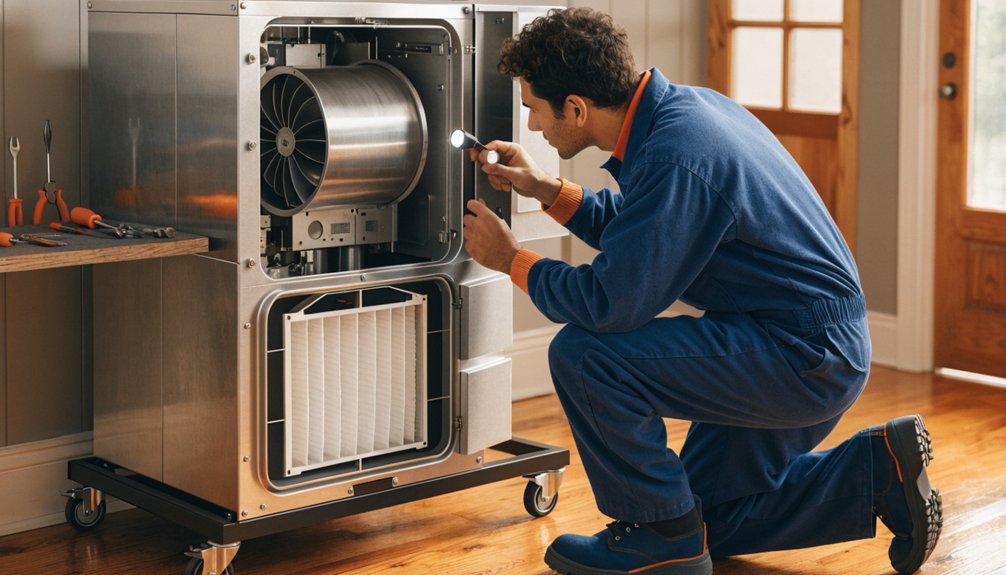
Although your heating system may seem to be working fine, annual service is worth it because it helps catch wear, airflow restrictions, ignition issues, and safety risks before they turn into breakdowns or efficiency losses. You can’t rely on visible operation alone, because hidden strain often develops gradually and reduces reliability long before failure occurs. When you schedule yearly service, you protect energy efficiency by preventing dirt buildup, calibration drift, and minor component deterioration from forcing longer run times. That directly supports better system performance, steadier temperatures, and lower operating costs. Regular service also helps extend equipment life by reducing stress on motors, burners, and heat exchangers. If you wait until there’s a noticeable problem, you’re more likely to face emergency repairs, winter discomfort, and avoidable damage that could’ve been limited with earlier attention. Regular, professional servicing also helps maintain healthier indoor air quality and can extend the overall lifespan of your ducted heating system by preventing contamination and premature wear.
What a Heating Service Visit Includes
A typical heating service visit includes a systematic inspection, cleaning, testing, and adjustment of the components that most affect safety, airflow, combustion, and efficiency. Your technician performs a system inspection, filter replacement, thermostat calibration, and safety checks. Regular servicing also helps prevent dangerous issues such as carbon monoxide buildup by ensuring gas lines and venting are operating correctly.
| Task | Purpose | Result |
|---|---|---|
| Filter replacement | Reduce restriction | Better airflow |
| Thermostat calibration | Verify accuracy | Stable comfort |
| Safety checks | Confirm safe operation | Lower risk |
| Duct cleaning | Remove buildup | Cleaner circulation |
| Performance assessment | Measure output | Improved efficiency |
You’ll also get airflow evaluation, burner and ignition testing, electrical connection tightening, condensate and vent review, and duct cleaning when needed. These steps support energy efficiency, maintain steady heat delivery, and document your system’s current operating condition so you can plan maintenance responsibly.
How Tune-Ups Prevent Costly Repairs
When your heating system gets regular tune-ups, small issues like weak ignition, restricted airflow, loose electrical connections, or rising amp draw can be corrected before they trigger component failure. That matters because one strained part often damages another, turning a minor correction into an expensive repair call. During service, your technician tests safeties, verifies voltage, tightens terminals, checks capacitor performance, and measures blower and inducer operation. Routine inspections also help identify aging components and insufficient insulation that can strain your system and increase the risk of failure during extreme cold snaps.
These preventative measures help you catch wear patterns early, before a contactor welds shut, a motor overheats, or a flame sensor causes repeated shutdowns. You also reduce the chance of emergency failures tied to dirty burners, cracked belts, clogged drains, or out-of-range gas pressure. One of the clearest tune up benefits is protecting critical components from avoidable stress and premature breakdown.
How Maintenance Lowers Heating Costs
Because a neglected heating system has to work harder to deliver the same output, routine maintenance directly reduces your operating costs. When components are clean, calibrated, and properly lubricated, your equipment burns less fuel and moves heat more effectively. That improves energy efficiency and helps you avoid waste from restricted airflow, dirty burners, slipping belts, or incorrect thermostat readings.
During routine checks, a technician tests combustion, inspects electrical connections, measures airflow, and verifies safety and control settings. These adjustments keep your system operating within manufacturer specifications, so it doesn’t cycle longer than necessary or overheat under strain. You’ll also catch small performance issues before they increase utility bills, such as clogged filters or duct leaks. Consistent service keeps monthly heating expenses more predictable all season long. In Melbourne, scheduling regular tune-ups and ongoing maintenance with experienced central heating specialists helps ensure your system runs efficiently while minimising the risk of unexpected repairs.
How Annual Service Extends System Life
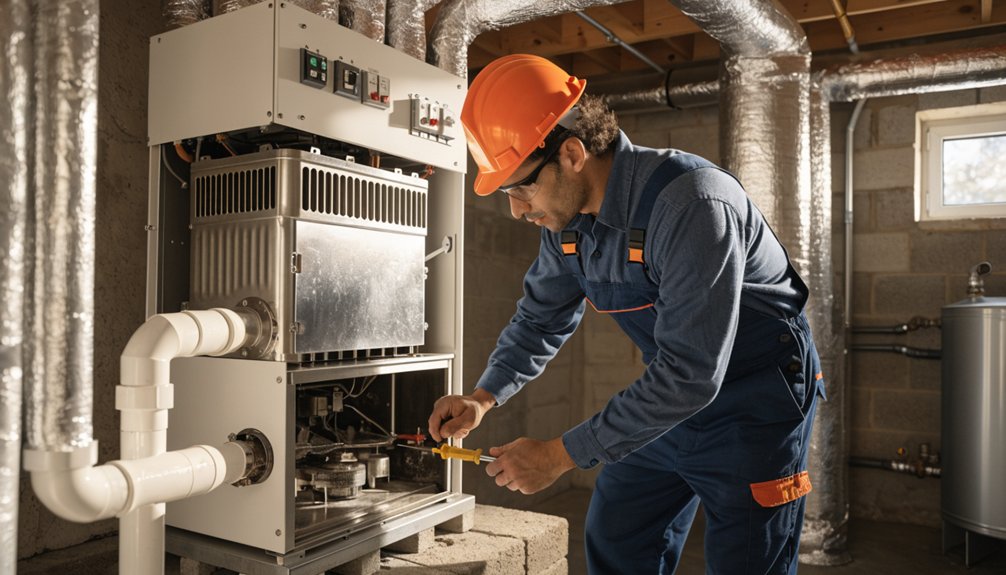
Lower heating costs are only part of the benefit—annual service also helps your equipment last longer. When you schedule yearly maintenance, your technician reduces wear on critical components by cleaning burners, tightening electrical connections, lubricating moving parts, and correcting airflow restrictions before they strain the system. That preventative attention supports system longevity and helps you avoid premature part failure. You also gain an efficiency boost because calibrated controls, clean filters, and proper combustion settings let the unit operate within manufacturer specifications. When your heater doesn’t cycle excessively or overheat from neglected buildup, major assemblies experience less stress over time. Annual inspections also catch small issues, such as belt wear, weak capacitors, or drainage problems, before they escalate into repairs that shorten equipment life and disrupt winter performance later. In addition, regular servicing that includes carbon monoxide testing and safety checks helps ensure your heater operates safely while preventing major faults that could lead to costly breakdowns.
How Service Helps Keep Your Home Safe
Beyond comfort and efficiency, annual heating service helps protect your home by identifying safety risks before they turn into emergencies. During an inspection, a technician checks burners, heat exchangers, gas connections, electrical components, and venting for wear, leaks, corrosion, or improper operation. These issues can increase fire risk, allow carbon monoxide intrusion, or cause unsafe shutdowns. Service also verifies that safety controls respond correctly under load. You can catch cracked components, blocked flues, loose wiring, and pressure irregularities before they escalate into hazards. Clean filters and calibrated airflow improve heating efficiency while reducing strain that can overheat parts. By keeping combustion stable and ventilation clear, routine maintenance supports home safety, protects indoor air quality, and gives you greater confidence that your system will operate safely when you need dependable heat most. In Melbourne, annual heater servicing that includes carbon monoxide testing is essential for detecting this colourless, odourless gas before it endangers your family or employees.
When to Schedule Heating Service Each Year
Timing matters as much as the service itself, since inspections are most effective when they’re done before your heating system enters peak demand. You’ll get the most value by booking annual service in early fall, when technicians can test ignition, airflow, thermostat response, and safety controls before cold weather puts components under sustained load. Among the best seasons for maintenance, late summer and early fall give you ideal timing for calibration, filter replacement, burner cleaning, and heat exchanger inspection. If you use a heat pump, schedule service in spring as well, since it operates year-round. Avoid waiting until the first freeze, when appointment availability tightens and minor performance issues are harder to correct efficiently. A consistent yearly schedule helps your equipment operate within manufacturer specifications. In Melbourne, timely servicing of ducted heating systems is especially important to prevent unexpected failures, improve energy efficiency, and maintain safe, reliable operation throughout the colder months.
What Skipping Service Can Cost You
If you skip annual heating service, small issues can turn into measurable costs long before the system fails outright. Dust buildup restricts airflow, worn belts increase motor load, and loose electrical connections create resistance that raises energy use. You may not notice these changes immediately, but your system operates longer, works harder, and loses efficiency every cycle. Over time, neglected components accelerate wear on burners, blowers, and heat exchangers. That raises the risk of unexpected failures during peak demand, when emergency repair rates are often highest. You could also face uneven heating, shortened equipment life, and safety concerns tied to combustion or ventilation problems. Preventative service helps you correct minor faults early, avoid financial strain, and protect both performance and reliability through the coldest months ahead each winter. Regular professional inspections can also catch hidden issues like ductwork leaks and thermostat miscalibration that quietly erode efficiency and comfort.
Frequently Asked Questions
Can Annual Heating Service Affect My Manufacturer’s Warranty Coverage?
Yes—an annual heating service can affect your manufacturer’s warranty coverage; an ounce of prevention is worth a pound of cure. You’ll need to meet warranty requirements and keep service documentation, or you could risk denied claims.
Do Smart Thermostats Reduce the Need for Yearly Heating Maintenance?
No, you shouldn’t skip yearly heating maintenance with smart thermostats. While you’ll gain smart thermostat benefits and energy efficiency improvements, they don’t inspect burners, electrical components, airflow, or safety controls—issues that still require professional service.
Is Annual Heating Service Necessary for Newly Installed Systems?
Yes—annual service is necessary; nearly 75% of no-heat calls stem from neglected maintenance, and you don’t want your new unit failing early. It protects new system longevity through calibration, wear checks, and efficiency optimization from year one.
Can I Perform Any Heating Maintenance Tasks Myself Safely?
Yes, you can handle basic DIY maintenance safely: replace filters, clear vents, and check thermostat settings. Follow manufacturer safety tips, shut off power first, and avoid gas, wiring, or burner work that requires professionals.
How Long Does a Typical Annual Heating Service Appointment Take?
Typically, you’ll spend 60–90 minutes, like a pit stop for your heating system. Your service duration depends on appointment factors such as system age, accessibility, filter condition, and whether technicians uncover preventative maintenance issues.