
If your Brunswick apartment has cold bedrooms, high winter bills, and a short-cycling heater, you likely need more than a basic repair. You should assess heat load, insulation levels, zoning layout, airflow balance, and system compliance before choosing installation, servicing, or replacement. In Melbourne homes and apartments, the right fix depends on what testing shows first, and that’s where costly mistakes usually start.
Key Takeaways
- Choose heating based on home size, insulation, zoning, and whether electric or hydronic systems best suit the space.
- Arrange installation for new homes or renovations, and repairs for short-cycling, uneven heating, or unusual system noises.
- Service heating before winter and after long inactivity to confirm safe operation, clean components, and prevent breakdowns.
- Repair newer units with isolated faults, but replace systems with recurring failures, obsolete parts, or poor energy performance.
- Lower heating costs by sealing drafts, cleaning filters, improving zoning and setpoints, and targeting upgrades through energy audits.
What’s the Best Heating System for Your Melbourne Home?
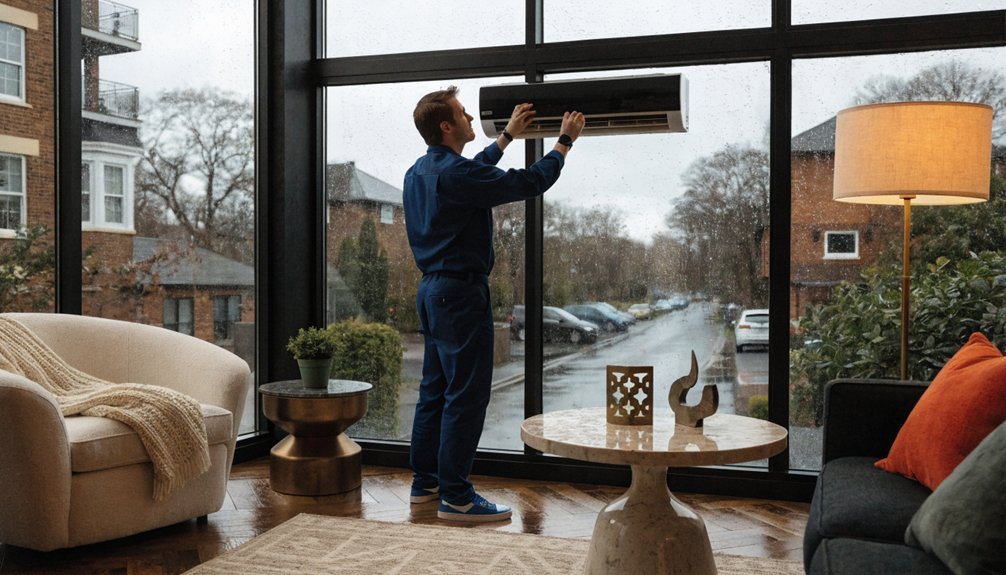
Which heating system is best for your Melbourne home depends on your building’s heat load, insulation performance, room zoning requirements, and access to gas or all-electric infrastructure. You’ll need a diagnostic assessment of glazing, draught paths, ceiling insulation, and floor construction before selecting a system type.
If you’re comparing electric heating with hydronic heating, you should evaluate response time, operating temperature, control logic, and compatibility with your tariff structure. Electric heating suits smaller, well-sealed spaces where rapid warm-up and room-by-room zoning are priorities. Hydronic heating performs well in larger homes requiring even radiant output and lower air movement. You should also check NCC energy-efficiency expectations, switchboard capacity, and appliance clearances. The best outcome comes from matching system design to envelope performance, occupancy patterns, and documented compliance requirements, not assumptions. For many Melbourne households, hydronic heating is especially attractive because it is highly efficient, environmentally friendly, quiet to run, and requires only minimal maintenance over the long term.
Do You Need Heating Installation, Repair, or Servicing?
How do you determine whether you need heating installation, repair, or routine servicing? Start with a compliance-based assessment of your unit’s age, operating history, output stability, and safety performance. If you’re fitting heating into a new dwelling, renovating, or adding rooms, installation is required to confirm system compatibility, electrical capacity, ventilation, and code adherence. Proper sizing also affects heating efficiency and occupant safety. If your existing system short-cycles, produces uneven temperatures, makes abnormal noise, trips breakers, or shows ignition faults, you likely need repair. These symptoms indicate component failure, airflow restriction, control issues, or gas-pressure irregularities requiring licensed diagnosis. If the system still operates normally but hasn’t had scheduled checks, servicing is the correct response. Preventive servicing verifies filters, burners, thermostats, seals, and overall performance calibration annually. Regular servicing of gas heaters also safeguards against carbon monoxide buildup and improves energy efficiency during Melbourne’s colder months.
Should You Repair, Replace, or Upgrade Your Heating?
When deciding whether to repair, replace, or upgrade your heating system, you should base the decision on age, fault frequency, energy performance, parts availability, and current code compliance.
If your unit is within its expected heating lifespan and faults are isolated, repair is usually justified. If breakdowns are recurring, combustion components are deteriorating, or replacement parts are obsolete, replacement becomes the lower-risk option. You should also compare running costs against current energy efficiency standards; older ducted heaters and wall furnaces often fail this test. An upgrade is appropriate when the appliance is serviceable but underperforming due to controls, zoning, or thermostat limitations. You must also check ventilation, flue integrity, electrical safety, and emissions compliance. If the system can’t meet present requirements, replacement is generally the compliant path.
When Should You Book a Home Heating Service?
Service timing should follow risk indicators, manufacturer intervals, and seasonal demand rather than waiting for a full loss of heat. You should schedule servicing before winter, after long inactivity, or immediately when performance shifts outside normal operating parameters. Heating service frequency depends on system type, age, usage profile, and warranty conditions, so you should verify the required interval in the manufacturer documentation and local compliance guidance. You also reduce the likelihood of costly repairs and premature replacements when systems are serviced at least annually in line with professional recommendations.
You should also book a service when diagnostic signs appear, including delayed ignition, inconsistent airflow, abnormal burner flame, thermostat misreads, unusual cycling, or unexplained shutdowns. These are Common heating issues that can indicate blocked filters, sensor faults, heat exchanger stress, duct leakage, or electrical defects. Early inspection helps confirm safety, maintain code alignment, and prevent fault escalation in Melbourne dwellings.
How Can You Lower Heating Costs at Home?

Lowering heating costs starts with controlling heat loss, reducing runtime, and verifying that your system is operating within its designed efficiency range. You’ll lower bills by sealing drafts, cleaning filters, and booking compliance-based servicing to confirm safe combustion, airflow, and thermostat accuracy. Prioritise energy efficient upgrades where diagnostics show measurable losses. Incorporating insights from regular energy audits and basic consumption monitoring helps you target the most cost‑effective heating improvements over time.
| Area | Diagnostic action | Cost effect |
|---|---|---|
| Ducts | Test leakage, insulation | Lower wasted heat |
| Thermostat | Recalibrate, optimise schedules | Reduced runtime |
| Building shell | Seal gaps, assess glazing | Improved retention |
You should also review zoning, setpoints, and occupancy patterns, because smart thermostat benefits depend on correct programming and sensor placement. If your unit short-cycles or overheats, have a technician assess burners, fans, and controls promptly to restore compliant performance.
Frequently Asked Questions
Are There Rebates Available for Energy-Efficient Home Heating Upgrades in Melbourne?
Yes, you can access energy rebates and efficiency incentives in Melbourne for eligible heating upgrades. You’ll need to verify system ratings, installer accreditation, and program criteria, since rebate availability, compliance requirements, and funding rounds can change.
How Long Does a Typical Residential Heating Installation Take?
You can expect a typical installation timeline of 1–3 days, though heating system types, site access, electrical capacity, gas compliance checks, ducting modifications, and commissioning requirements can extend works if diagnostic findings identify non-conformances.
Which Heating Options Are Safest for Households With Young Children?
Ironically, your safest choice isn’t flames: you’ll want child safe heaters like reverse-cycle split systems or panel heaters with cool-touch surfaces, tip-over protection, and thermostat locks; they’re also among the best energy efficient options available.
Can Landlords Choose Heating Systems for Melbourne Rental Apartments?
Yes, you can choose heating systems for Melbourne rental apartments, but you must meet minimum rental standards, energy compliance, and safety requirements. Your landlord preferences can’t override tenant comfort, habitability obligations, or mandated fixed-heating performance benchmarks.
What Heating Systems Work Best for Homes With Solar Power?
You’ll get best results from reverse-cycle heat pumps, electric hydronic systems, or resistive panel heaters matched to daytime generation; they maximise solar heating, improve energy efficiency, reduce grid reliance, and simplify load-control, sizing, and compliance verification.