
Like a warning light that appears before an engine fails, a heater often signals trouble through noise, weak airflow, or higher energy use. If you own a home in Melbourne, you can’t treat heating maintenance as optional; regular servicing supports efficiency, safety, and compliance, especially before winter. You’ll also need to assess system type, layout suitability, and provider credentials carefully. The key question is where small issues end and costly failures begin.
Key Takeaways
- Schedule professional heating servicing every 12 months, ideally before Melbourne’s cooler season, to maintain efficiency, safety, and reliability.
- Watch for repair signs like strange noises, uneven heating, shutdowns, delayed ignition, rising energy bills, or soot near vents.
- Understand that routine servicing prevents problems, while repairs address confirmed faults affecting operation, safety, or performance.
- Choose a system based on home size, insulation, layout, efficiency, noise, and whether ducted gas, reverse-cycle, hydronic, or electric suits your needs.
- Compare Melbourne heating providers by checking licences, insurance, warranty terms, written diagnostics, Australian standards compliance, and full labour-and-parts costs.
Do You Need Heating Repair or Service?
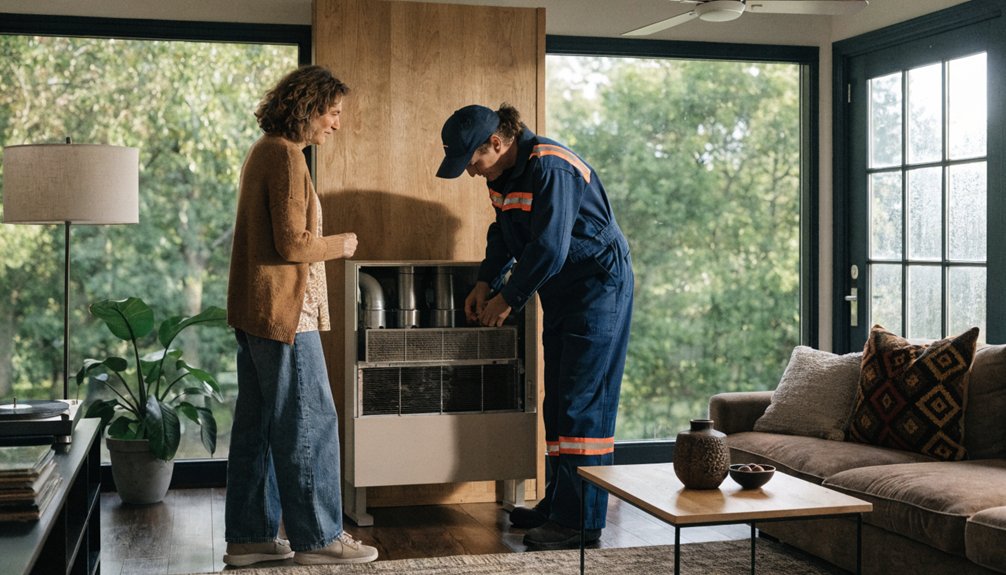
How can you tell whether your heating system needs repair or routine service? You should begin with the maintenance schedule, manufacturer specifications, and recent performance data. If your unit is operating within normal parameters, annual servicing is typically sufficient to preserve heating efficiency, verify safety controls, clean components, and confirm airflow and thermostat calibration. You should also evaluate service records, energy consumption trends, and system age before deciding. Routine service is preventive and planned; repair addresses a confirmed fault requiring corrective work. Cost considerations matter: scheduled maintenance is usually predictable, while deferred servicing can reduce efficiency and increase operating expense over time. A licensed technician can inspect burners, filters, heat exchangers, electrical connections, and duct performance, then determine whether your system needs standard servicing or targeted repair under Australian requirements. In Melbourne, unusual noises, persistent odours, or inconsistent heating are key signs that you may urgently need gas heater servicing rather than just routine maintenance.
Signs Your Heating System Needs Repair
Once routine servicing has been considered, the next step is identifying fault indicators that suggest your heating system requires repair rather than scheduled maintenance. If your unit produces strange noises, such as grinding, rattling, or banging, internal components may be loose, worn, or misaligned. Inconsistent heating across rooms can indicate airflow restrictions, thermostat faults, duct leakage, or burner issues. Recognising these symptoms early can also help improve energy efficiency and reduce the risk of unexpected breakdowns.
You should also monitor unexplained shutdowns, delayed ignition, persistent odours, or a yellow pilot flame where a blue flame is specified. Rising energy consumption without increased usage is another measurable warning sign. If you notice reduced airflow, excessive cycling, or visible soot around vents, the system’s safe operation may be compromised. Prompt assessment by a licensed technician helps you minimise damage, restore efficiency, and maintain compliance requirements.
How Often Should You Service Your Heater?
Ideally, you should service your heater at least once every 12 months, preferably before Melbourne’s cooler season begins, so any wear, safety defects, or efficiency losses can be identified before peak use.
Annual servicing helps you meet manufacturer requirements, reduce breakdown risk, and maintain safe combustion performance and airflow. Regular servicing also supports efficient operation and better indoor air quality, helping to prevent costly breakdowns and extend system lifespan.
| Interval | Action | Purpose |
|---|---|---|
| 12 months | Professional inspection | Safety, efficiency |
| 3 months | Filter check | Airflow, hygiene |
| As needed | Fault testing | Early intervention |
Use practical heater maintenance tips between visits: replace filters where applicable, keep return-air grilles unobstructed, and monitor unusual odours or startup delays. The benefits of servicing include improved energy efficiency, lower operating costs, extended component life, and verified compliance with safety standards. If your heater runs heavily through winter, your technician may recommend shorter service intervals.
Which Heating System Is Right for Your Home?
Choosing the right heating system for your home depends on several technical factors, including floor area, insulation quality, room layout, energy source availability, and whether you need whole-home coverage or zoned heating. You should match system capacity to your dwelling’s heat load, not just its size, to avoid underperformance or excess running costs.
Common heating types include ducted gas, reverse-cycle split systems, hydronic heating, and electric panel units. If you want strong energy efficiency, reverse-cycle systems typically perform well in Melbourne’s climate, especially in insulated homes. Hydronic systems provide stable, even heat but require higher installation space and infrastructure. Ducted systems suit larger homes needing central coverage, while split systems suit targeted zones. You’ll also need to take into account noise levels, control options, ventilation requirements, and compliance with current safety regulations. ENERGY STAR® certified heat pumps can further reduce running costs and environmental impact compared to traditional resistive or gas heating options.
How to Compare Heating Services in Melbourne
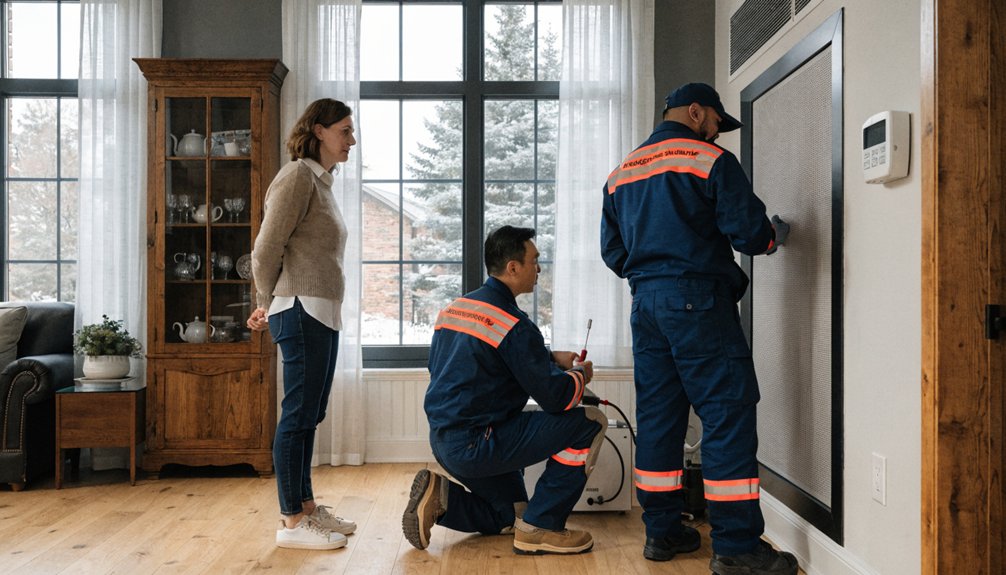
How do you compare heating services in Melbourne without relying on sales claims alone? Start with licence status, insurance, response times, and documented experience with your system type. Then assess quoted scope, warranty terms, and maintenance inclusions. Request model-specific recommendations, not generic promises, and verify energy efficiency data against manufacturer specifications. A structured cost comparison should separate labour, parts, call-out fees, and ongoing servicing obligations.
| Criteria | What to verify |
|---|---|
| Licensing | VBA registration, insurance |
| Scope | Parts, labour, exclusions |
| Performance | Energy efficiency ratings |
| Support | Warranty, response timeframe |
You should also confirm compliance with Australian standards, ask for written fault diagnostics, and compare like-for-like quotes. If a provider can’t explain assumptions clearly, don’t treat the proposal as reliable or complete. When assessing hydronic options specifically, look for providers with proven experience in hydronic heating repairs and preventative maintenance that includes system flushing, leak checks, and thermostat testing.
Frequently Asked Questions
Can Heating Systems Worsen Indoor Air Quality or Trigger Allergies?
Yes—like a clogged sieve trapping yesterday’s dust, your heating system can worsen indoor air quality and trigger allergies if neglected. Proper air filtration supports allergy prevention; studies show dirty filters greatly increase circulating particulates indoors.
Are There Government Rebates for Energy-Efficient Heater Upgrades in Melbourne?
Yes, you can access Victorian and federal rebates for eligible energy-efficient heater upgrades in Melbourne, depending on product type and installation compliance. Check current energy efficiency schemes, approved installers, and available heater incentives before purchase.
How Long Does a Typical Home Heating Installation Take?
Like clockwork, you’ll typically see a home heating installation completed in one to three days; however, your installation timeline depends on heating system types, property access, electrical or gas upgrades, commissioning requirements, and compliance inspections.
What Warranties Are Usually Offered on New Heating Systems?
You’ll usually get warranties covering parts for 5–10 years, compressors or heat exchangers for 10 years or longer, and labor for 1–2 years. Your warranty duration and coverage options depend on brand, installer, and registration compliance.
Should Tenants or Landlords Arrange Heating Repairs in Rental Properties?
You should usually report faults promptly, but landlords generally arrange and fund repairs under landlord obligations. Check your lease and local tenancy laws, since tenant responsibilities may include maintenance reporting, access coordination, and preventing avoidable damage.