
When you service your ducted heating regularly, you’re not just keeping it warm—you’re keeping it safe, efficient, and compliant with Australian standards. A qualified technician checks gas pressures, burner operation, airflow balance, and duct integrity to guarantee stable performance and lower energy use. They also identify carbon monoxide risks and potential failures before they escalate. If you’ve ever wondered what’s actually happening inside your system, that’s where the story gets interesting…
Key Takeaways
- Regular professional servicing keeps gas pressures, ignition, and airflow correctly tuned so your ducted heating runs at peak efficiency.
- Technicians inspect and seal ducts, improving heat delivery, reducing energy loss, and stabilising room temperatures.
- Scheduled safety checks detect gas leaks, flue issues, and overheating risks early, preventing breakdowns and hazardous operation.
- Routine maintenance extends system lifespan by reducing wear on burners, fans, and controls, lowering long‑term repair and replacement costs.
- Cleaning filters and confirming correct thermostat calibration maintain strong airflow and precise temperature control, cutting energy use while improving comfort.
Why Regular Ducted Heating Service Matters for Your Home
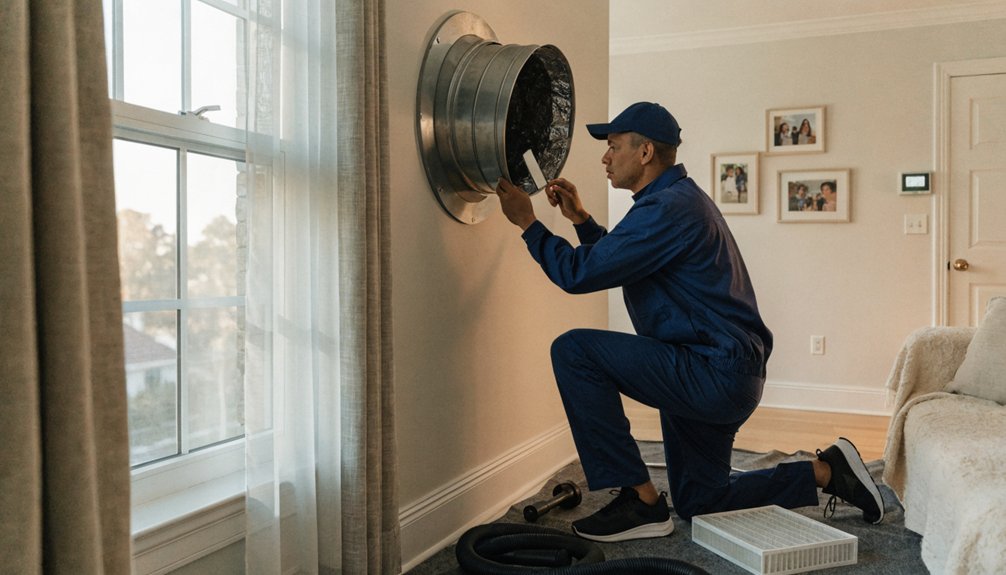
When your ducted heating system’s maintained at regular intervals, it operates more efficiently, more safely, and for longer. You’re not just preventing inconvenient breakdowns; you’re managing risk in a controlled, standards-compliant way. Scheduled inspections let a licensed technician verify gas pressures, ignition performance, heat exchanger integrity, and flue operation against manufacturer specifications and relevant Australian Standards. Regular professional servicing also helps maintain air quality by preventing contamination and ensuring the system runs efficiently over its lifespan.
How Ducted Heating Servicing Improves Efficiency and Comfort
Although it’s easy to think of servicing as just “tuning up” your system, a proper ducted heating service directly improves efficiency and comfort by optimising every stage of heat delivery. A licensed technician checks gas pressure, burner performance, and heat exchanger integrity so combustion is clean, stable, and compliant with AS/NZS safety standards. They’ll also inspect ductwork for leaks, kinks, or insulation failures that waste energy and create temperature imbalances between rooms. Fan speeds, airflow, and return air pathways are measured and adjusted to maintain correct static pressure, improving both efficiency and noise levels. Through seasonal maintenance and targeted system upgrades—such as higher‑efficiency motors or smart zoning controls—you get faster warm‑up times, more consistent temperatures, and safer, more reliable operation. With over 25 years of experience in gas ducted heating across Melbourne’s eastern suburbs, JohnsRefair ensures your system is serviced by qualified technicians who focus on both efficiency and long-term reliability.
How Regular Ducted Heating Service Saves You Money
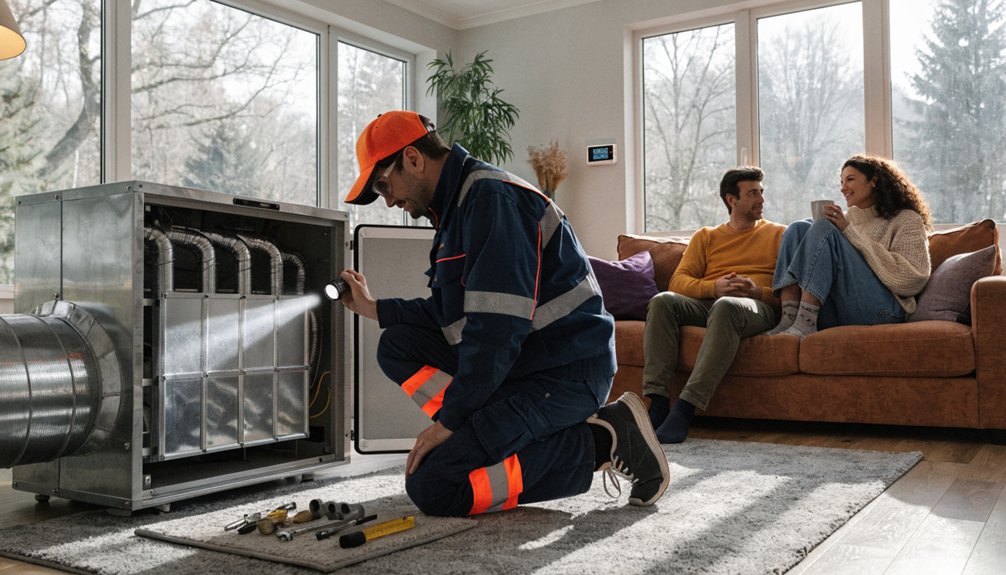
While it might seem like an extra expense, regular ducted heating service is one of the most effective ways to reduce your total heating costs over the life of the system. A technician checks gas pressures, airflow, burner performance, and thermostat calibration, ensuring your unit operates within manufacturer specifications and relevant safety standards. Regular maintenance also helps prevent unexpected failures, improves energy efficiency, and can significantly extend the lifespan of your ducted heating system.
Cleaner Ducts, Cleaner Air for Better Health
When your ducted heating system is clean and correctly maintained, you greatly reduce the build‑up and circulation of indoor allergens such as dust, pollen, and microbial contaminants. This directly supports better respiratory comfort for occupants, especially those with asthma or sensitivities, by maintaining more stable and hygienic air quality. By following manufacturer specifications and relevant indoor air quality standards, you guarantee your ducts contribute to a safer, healthier environment throughout your home. In systems that use zone control technology, clean and well‑maintained ducts also help each zone receive the proper airflow needed to optimise comfort and energy efficiency.
Reduced Indoor Allergens
Because your ducted heating system continuously recirculates air through your home, any accumulated dust, pollen, pet dander, mould spores, or other particulates in the ductwork are repeatedly distributed into occupied spaces, directly impacting indoor air quality and respiratory health. When you schedule regular ducted heating services, technicians can mechanically remove these contaminants, achieving measurable allergen reduction in accordance with recognised HVAC hygiene practices.
They’ll inspect and clean ducts, grilles, and coils, and confirm correct filtration levels and seals, so particles aren’t bypassing filters or leaking from joints. By adhering to manufacturer specifications and relevant standards, you’re limiting microbial growth and dust reservoirs within the system. This disciplined approach keeps airborne contaminant loads lower throughout the heating season, supporting a cleaner, safer indoor environment.
Improved Respiratory Comfort
Even minor improvements in air cleanliness can translate into noticeable respiratory comfort, especially for occupants with asthma, allergies, or other sensitivities. When you schedule regular ducted heating services, technicians remove particulates, microbial growth, and accumulated debris that would otherwise recirculate through your home. This directly improves indoor air quality and reduces the respiratory load on occupants.
What Technicians Check in Your Ducted Heating System
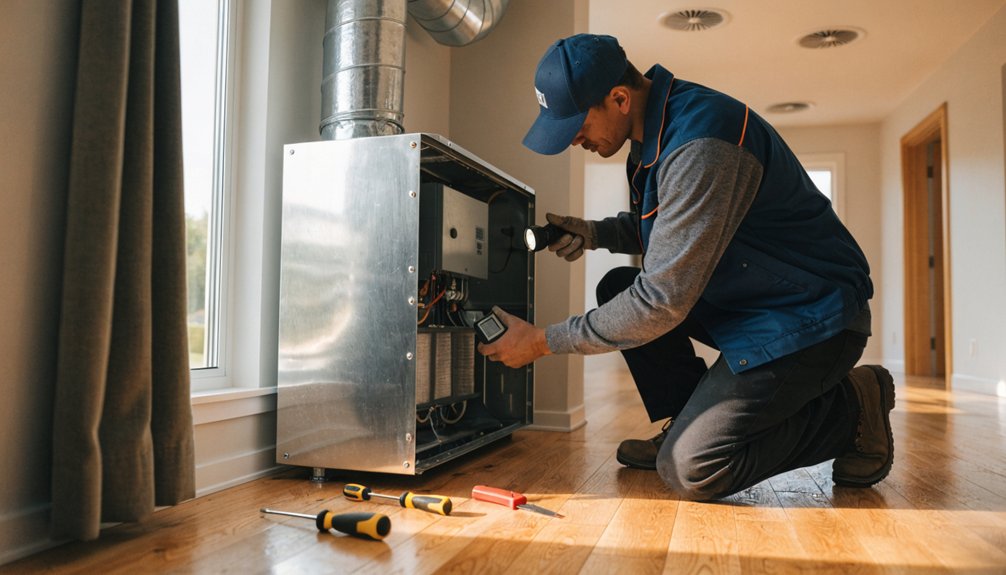
When a qualified technician services your ducted heating, they’re not just looking at the heater itself – they’re evaluating the entire air distribution path. They’ll inspect ductwork and vents for leaks, blockages, and compliance with airflow and installation standards, then test your thermostat and control settings to guarantee accurate, stable operation. Finally, they’ll review critical safety components, such as limit switches, ignition and flame safeguards, and shut-off devices, to confirm the system operates safely within manufacturer and regulatory requirements. During a routine visit, they’ll also check filters and electrical connections to boost efficiency, reduce running costs, and help prevent potential safety hazards.
Inspecting Ductwork And Vents
A thorough inspection of your ductwork and vents is central to keeping a ducted heating system safe, efficient, and compliant with standards. During a professional duct inspection, technicians trace the entire air path, checking that components meet manufacturer specs and relevant building codes, and that airflow isn’t restricted by damage, dust, or poor installation.
They’ll typically assess:
- Visible duct leaks, loose joins, and missing insulation that waste heat
- Internal contamination, prompting targeted vent cleaning to reduce dust and allergens
- Duct sizing and layout issues that can cause pressure imbalance and noise
- Signs of back-drafting, corrosion, or heat damage that may present safety risks
- Supply and return grille condition, clearance, and secure mounting for consistent airflow
Testing Thermostat And Controls
Because your thermostat and control system act as the “brain” of your ducted heating, technicians methodically test them to verify the system responds accurately, safely, and in line with manufacturer specifications and relevant standards. They confirm the thermostat’s location, wiring integrity, and power supply, then perform thermostat calibration to make certain the displayed temperature matches actual room conditions within acceptable tolerances.
They’ll test heating calls at different setpoints, confirming the unit starts, modulates, and stops as commanded, without short cycling. Control adjustments are made to schedules, fan modes, deadband, and staging so your system operates efficiently while preventing excessive wear. Technicians also check integration with zoning or smart controls, making sure all linked devices communicate reliably and follow programmed logic.
Evaluating System Safety Components
Once the thermostat and controls are verified, attention shifts to the safety hardware that prevents overheating, gas leaks, electrical faults, and flue hazards in your ducted heating system. During scheduled safety inspections, technicians carry out precise component checks against manufacturer specifications and relevant standards.
They’ll typically assess:
- Flame sensor operation and burner shut‑off response under fault conditions
- Over‑temperature limit switches for correct trip point and reliable reset
- Gas valve integrity, leak testing, and regulator pressure settings
- Ignition system wiring, earthing, and electrical isolation devices
- Flue, draft diverter, and spillage safeguards to guarantee safe exhaust discharge
Fixing Ducted Heating Airflow Problems That Waste Energy
When airflow in a ducted heating system is restricted, the system wastes energy, runs hotter than it should, and can even breach manufacturer and Australian Standard operating limits. During a service, a technician measures static pressure, checks fan performance, and inspects ducts and outlets to guarantee airflow optimization and compliance with AS/NZS guidelines. Regular servicing by qualified technicians also supports critical gas heater safety checks that help prevent gas leaks and carbon monoxide hazards in your home.
They’ll identify crushed or disconnected ducts, closed or undersized outlets, dirty filters, and blocked return air grilles that force the fan and burner to work harder. By sealing leaks, rebalancing zones, cleaning filters, and correcting fan speed settings, you restore designed airflow and energy efficiency.
This reduces burner cycling, prevents over‑temperature trips, protects the heat exchanger, and keeps gas and electrical input within specified limits.
How Servicing Helps Your Ducted Heating Last Longer
When you service your ducted heating system at the recommended intervals, you reduce mechanical wear and tear on key components like the burner, fan motor, and heat exchanger. Timely inspections and adjustments help prevent costly breakdowns by identifying faults before they escalate into safety risks or major repairs. With regular, standards-compliant maintenance, you maximise the system’s lifespan while keeping it operating within manufacturer specifications and relevant safety regulations. Regular servicing also ensures your system maintains its high energy efficiency rating, helping to reduce running costs over the life of the unit.
Reducing Wear And Tear
Although every ducted heating system is designed for a service life measured in years, neglecting routine maintenance accelerates wear on critical components and can compromise safety. Targeted servicing focuses on wear reduction so blower motors, burners, heat exchangers, and controls operate within manufacturer-specified limits and relevant standards.
During a professional service, a technician will typically:
- Inspect and clean filters and return air grilles to minimise airflow resistance
- Lubricate moving parts (where applicable) to reduce friction and mechanical stress
- Test electrical connections and control circuitry for correct load and secure terminations
- Check fan balance and belt tension so bearings and shafts aren’t overloaded
- Verify combustion settings and flue integrity to prevent heat exchanger damage
These maintenance benefits help your system run smoother and last longer, while preserving safe operation.
Preventing Costly Breakdowns
Even a minor fault in a ducted heating system can escalate into a major, expensive failure if it isn’t picked up early through regular servicing. With scheduled preventative maintenance, a licensed technician inspects burners, heat exchangers, flue integrity, electrical connections, fan motors, and safety controls against relevant standards and manufacturer specifications.
They’ll identify gas leaks, carbon monoxide risks, blocked return air, deteriorated ductwork, and abnormal operating temperatures before they cause component failure or unsafe conditions. Filters are cleaned or replaced, airflow is balanced, and control boards are checked for error codes.
Maximising System Lifespan
By keeping every component operating within its design limits, regular servicing substantially extends the usable life of your ducted heating system. Technicians check combustion quality, fan speed, gas pressure, and airflow against manufacturer specifications and relevant Australian Standards, reducing thermal stress and mechanical wear. That directly improves system longevity and keeps your warranty conditions intact.
During a professional service, you’ll typically see:
- Burners cleaned and adjusted to prevent soot, corrosion, and heat exchanger damage
- Filters and return air paths cleared to stop fan overload and motor burnout
- Ducts inspected and sealed to avoid leaks that force longer run times
- Electrical terminals tightened to reduce arcing, overheating, and fire risk
- Safety controls tested so faults shut the system down before major failures
Follow their maintenance tips between visits to keep everything running safely.
How Often to Service Your Ducted Heating System
Most ducted heating systems should be professionally serviced at least once every 12 months, or more frequently in dusty environments or high‑use households. These frequency recommendations align with manufacturer guidelines and help maintain safe combustion, efficient airflow, and compliance with relevant Australian Standards and local regulations.
You should also schedule basic seasonal checks before the main heating period. A licensed technician can verify gas pressure, burner performance, heat exchanger condition, electrical integrity, and control calibration. They’ll also confirm that ducts, return air paths, and filters are clean and unobstructed, which reduces fire risk and carbon monoxide hazards. Regular servicing by certified HVAC specialists also ensures potential gas leaks and electrical hazards are identified early, maintaining both safety and efficiency.
If your system supports it, alternate detailed inspections between major and minor services each year, ensuring critical safety components are always within specification.
Signs Your Ducted Heating Needs a Service Now
Routine servicing sets the baseline for reliability, but you should also recognise warning signs that your ducted heating needs immediate attention. Ignoring early indicators risks reduced efficiency, higher running costs, and potential safety hazards, especially in gas-fired systems.
Key red flags include:
- Sudden ducted heating noises such as banging, grinding, or high‑pitched whistling from ducts or the indoor unit.
- Persistent inconsistent temperatures between rooms or hot–cold cycling that doesn’t match the thermostat setting.
- Noticeable reduction in airflow from supply registers, even with a clean return air filter.
- Burning, chemical, or gas‑like odours when the system starts or runs, requiring prompt shutdown and assessment.
- Unexpected spikes in energy bills without changes in usage patterns, indicating compromised efficiency or component faults.
- Ongoing performance issues combined with these red flags are strong clues that you may have ductwork leaks or other hidden faults reducing heating efficiency and wasting energy.
Professional Ducted Heating Service vs DIY Maintenance
While it’s sensible to handle simple tasks like cleaning return air filters and keeping vents unobstructed yourself, thorough ducted heating servicing should generally be left to licensed professionals who understand combustion safety, electrical compliance, and relevant Australian Standards. When you open burner compartments, adjust gas pressures, or access live electrical components, DIY Risks increase sharply, including carbon monoxide leakage, fire hazards, and equipment damage. A professional technician will verify gas tightness, test for CO spillage, confirm correct ventilation, and check electrical integrity against AS/NZS requirements. They’ll also assess duct integrity, airflow balance, thermostat calibration, and safety controls. These Professional Benefits extend equipment life, maintain efficiency, and protect manufacturer warranties and insurance coverage, while ensuring your system operates safely in Australian conditions. Regular professional inspections significantly reduce health risks from gas leaks by detecting issues early and preventing dangerous exposure in your home.
Frequently Asked Questions
Which Ducted Heating Service Tasks Are Safe and Effective to Do Myself?
You can safely handle basic filter replacement, vent cleaning, thermostat checks, and visual system inspection for leaks or damage. Don’t open gas, electrical, or combustion compartments—those require licensed technicians compliant with local codes and standards.
How Do I Choose a Reliable, Licensed Ducted Heating Technician?
You choose a reliable, licensed ducted heating technician by confirming state license numbers, conducting certification verification (e.g., manufacturer training), requesting technician referrals, checking insurance, demanding written quotes, and ensuring compliance with Australian Standards and local gas-fitting regulations.
What Warranties or Guarantees Usually Come With Professional Ducted Heating Servicing?
You’re promised, like a fortress wall, warranty coverage on parts and labour, plus service guarantees on workmanship, system performance, and safety compliance, often documented in writing, conditioned on correct use, code adherence, and scheduled maintenance intervals.
Are There Eco‑Friendly Options for Cleaning and Maintaining Ducted Heating Systems?
You can choose eco friendly cleaners, low‑VOC products, HEPA filtration, and biodegradable coil treatments, while technicians implement sustainable practices like filter recycling, sealed-duct verification, and airflow optimisation, all aligned with manufacturer specifications and relevant indoor‑air‑quality and safety standards.
How Does Ducted Heating Servicing Differ Between Gas, Electric, and Reverse‑Cycle Systems?
You’ll service gas systems with combustion checks, flue integrity, and CO testing; electric with element, wiring, and load inspections; reverse‑cycle with refrigerant, coils, and airflow. Each approach optimizes energy efficiency, safety, compliance, and system longevity.