
If you own or manage a Melbourne property, you can’t treat ducted heating safety checks as optional. You need a methodical inspection of combustion performance, gas pressure, heat exchanger condition, airflow, and carbon monoxide risk to keep the system compliant and safe. Small faults often develop without obvious signs, yet they can affect occupant safety, efficiency, and liability. Before winter demand increases, it’s worth knowing what a proper safety check should actually include.
Key Takeaways
- Melbourne ducted gas heaters should have a professional safety check at least every 12 months, ideally in early autumn before winter demand begins.
- A safety check should test the heat exchanger, burners, ignition, gas pressure, flue, electrical components, airflow, and safety controls.
- Technicians must check for gas leaks and carbon monoxide risks, as both can cause serious health and safety hazards.
- Older, heavily used, or previously faulty systems may need six-monthly inspections to maintain safe and reliable operation.
- For rental properties, annual documented safety checks help meet compliance obligations and confirm the heater is operating safely.
Why Regular Ducted Heating Safety Checks Matter
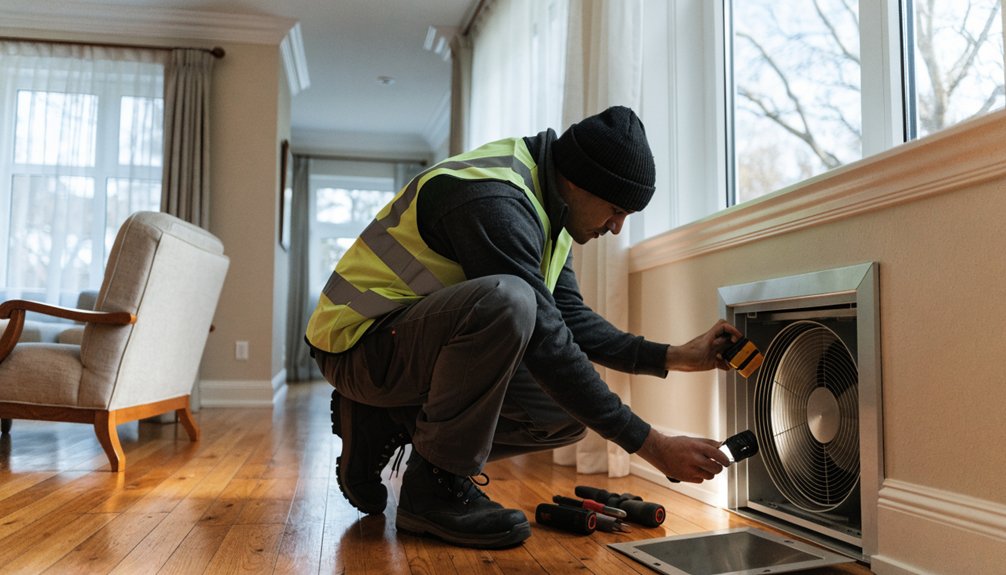
Because ducted heating systems operate with combustion, airflow, and electrical control components in a closed distribution network, regular safety checks are necessary to verify that the unit is functioning within manufacturer specifications and applicable safety standards. If you defer inspection intervals, you increase the likelihood of undetected deterioration, unsafe operation, and reduced system efficiency over time. Routine heating maintenance helps you confirm continued compliance with Safety regulations, insurance obligations, and warranty conditions. It also supports accurate fault identification before minor irregularities escalate into shutdowns, expensive repairs, or occupant risk. When you schedule checks at appropriate intervals, you’re applying a preventative control that protects asset performance, energy use, and indoor environmental reliability. For Melbourne properties, that disciplined approach reduces operational uncertainty and helps you demonstrate responsible system management. Professional inspections can also help prevent carbon monoxide leaks, improving safety for occupants and ensuring your ducted heating operates reliably.
What a Ducted Heating Safety Check Covers
Scope matters in a ducted heating safety check: it typically covers the heat exchanger, burner assembly, ignition system, gas pressure, flue integrity, electrical connections, safety controls, and airflow performance across the duct network. Your technician will test combustion operation, verify gas tightness, inspect for corrosion or cracks, confirm thermostat response, and measure temperature rise against manufacturer tolerances. You’ll also have ductwork assessed for leakage, obstructions, insulation condition, and return-air balance, because these factors affect efficiency and compliant operation. Filter condition, fan motor performance, limit switches, and carbon monoxide risk are reviewed methodically, with faults documented for rectification. These duct inspection benefits support safer operation, better energy performance, and heating system longevity. A complete check gives you a verified baseline for maintenance planning and regulatory compliance across your Melbourne property. Licensed technicians also ensure gas ducted heating repairs are carried out with approved parts and in line with safety standards identified during these checks.
Signs Your Ducted Heating Needs Checking
You should arrange a ducted heating inspection if you’re noticing uneven room temperatures, as inconsistent airflow can indicate faults in zoning, ducting, or system balance. If you detect a strange burning smell during operation, the unit should be checked promptly to verify safe electrical and mechanical performance. Rising energy bills without a clear usage change can also signal reduced system efficiency, component wear, or airflow restrictions. Regular inspections also help maintain air quality by preventing contamination and catching issues before they lead to costly breakdowns.
Uneven Room Temperatures
While minor temperature variation is normal in a ducted heating system, consistent hot and cold spots between rooms usually indicate an airflow, balancing, or component fault that needs inspection. If you’re noticing persistent temperature fluctuations, your system may have leaking ducts, obstructed outlets, maladjusted dampers, or a failing fan motor affecting distribution and comfort levels.
You shouldn’t ignore these patterns, because uneven delivery can increase runtime, reduce efficiency, and place extra load on critical components. A licensed technician should test airflow at each outlet, inspect duct integrity, confirm zoning operation, and verify thermostat calibration against actual room conditions. You should also check whether furniture, closed doors, or blocked return-air paths are disrupting circulation. Early assessment helps you maintain safe, even heating performance across your Melbourne property during winter operation periods.
Strange Burning Smells
Beyond uneven temperatures, a burning smell from your ducted heating system warrants prompt inspection, especially if the odour persists beyond the first start-up of the season. If you notice a recurring burning odor, you shouldn’t ignore it, as it may indicate dust accumulation, overheating electrical components, or deteriorating insulation within the unit.
- Check whether the smell appears immediately or only after extended operation.
- Note if airflow weakens, as restricted circulation can elevate internal temperatures.
- Inspect vents for soot, discolouration, or residue that may signal combustion irregularities.
- Arrange a licensed technician to test wiring, motors, and safety controls.
These observations help you identify potential hazards early and support compliance with Melbourne property safety expectations, reducing the likelihood of equipment damage or unsafe operating conditions indoors.
Rising Energy Bills
If your energy bills have climbed without a clear change in household usage, your ducted heating system may be operating inefficiently and should be checked. Excess consumption often indicates restricted airflow, leaking ducts, a failing thermostat, or burner and heat exchanger faults that reduce thermal efficiency and force longer run cycles.
You should arrange a compliant inspection to test airflow, gas pressure, duct integrity, zoning performance, and thermostat calibration. A licensed technician can also verify carbon monoxide safety, clean filters, and identify worn components before they increase operating costs further. These assessments support energy saving tips by targeting measurable losses rather than guesswork. They also help you prioritise budget friendly solutions, such as sealing ducts, replacing filters, recalibrating controls, or scheduling timely maintenance to restore efficient, safe performance.
Gas Leaks and Carbon Monoxide Risks
Because ducted heating systems burn fuel and circulate air throughout the property, even a minor gas leak or carbon monoxide fault can create a serious safety hazard that requires immediate attention. You can’t rely on smell alone, because carbon monoxide is odourless and combustion faults may remain hidden within the unit or duct network. In addition to immediate risks, long-term exposure to carbon monoxide can lead to serious health complications or death, particularly for vulnerable occupants.
- You should verify burners, heat exchangers, and flue connections for leakage, corrosion, and incomplete combustion indicators.
- You should confirm gas detection devices are functional and correctly positioned near prescribed risk zones.
- You should test alarm systems to guarantee carbon monoxide alerts activate within compliant response thresholds.
- You should isolate the heater immediately if you notice headaches, dizziness, pilot instability, or unexplained gas odours.
A methodical inspection helps you reduce exposure risk and maintain occupant safety.
How Often to Book a Safety Check
You should book a ducted heating safety check at least once every 12 months to maintain safe, compliant operation. It’s also best to schedule the inspection before peak winter demand, so faults can be identified and rectified ahead of seasonal use. If your system is older or shows performance issues, you may need more frequent assessments. Regular safety checks by skilled technicians also help detect and prevent hazards such as gas leaks before they become serious issues.
Recommended Inspection Frequency
A yearly ducted heating safety check is the standard baseline for most systems, as it allows a licensed technician to assess burner performance, heat exchanger condition, gas pressure, airflow, and carbon monoxide risk before faults escalate.
You should shorten that interval if your unit is older, heavily used, previously fault-prone, or installed in a rental property with stricter compliance expectations. Key inspection benefits include earlier fault detection, documented safety assurance, and improved operating stability. Follow these maintenance tips:
- Book annual inspections for standard residential systems.
- Arrange six-monthly checks for ageing or high-use units.
- Increase frequency after repairs, shutdowns, or performance irregularities.
- Keep service records to verify compliance and trend recurring defects.
This methodical schedule helps you manage risk, support warranty conditions, and maintain safe, efficient heating operation year-round.
Seasonal Booking Timing
Although annual frequency sets the inspection baseline, seasonal booking timing matters just as much for safety and service access. You should schedule your ducted heating safety check in early autumn, before Melbourne’s peak winter demand compresses technician availability. This timing supports orderly seasonal maintenance, allows corrective work before sustained operation, and reduces the likelihood of delayed repairs during colder periods.
If your system is older, heavily used, or hasn’t been serviced on schedule, you shouldn’t wait for symptoms to appear. Book earlier and use booking reminders so inspections aren’t missed. A methodical pre-winter check verifies combustion integrity, airflow performance, thermostat response, and flue condition under compliant service procedures. By planning ahead, you’ll improve booking flexibility, support safe startup, and maintain documented servicing intervals aligned with manufacturer recommendations and property duty-of-care obligations.
Why Melbourne Winters Strain Heating Systems
When Melbourne’s winter pattern shifts rapidly between cold mornings, damp fronts, and extended overnight runs, ducted heating systems are forced to cycle harder and operate for longer periods than they do in milder conditions.
For you, that means greater mechanical stress and reduced heating system efficiency if servicing intervals are missed. Key winter maintenance tips include monitoring runtime patterns and airflow consistency. Annual servicing and attention to carbon monoxide safety are especially important in these conditions to keep ducted gas heating operating safely and efficiently.
- Frequent cycling increases ignition wear and fan motor load.
- Damp air can affect combustion performance and condensate management.
- Closed rooms may raise duct pressure, stressing seals and joints.
- Extended operation exposes filter restriction faster, reducing safe airflow.
You’ll notice that Melbourne’s volatile conditions don’t just raise energy use; they accelerate component fatigue, amplify minor faults, and increase the likelihood of non-compliant operation during peak demand periods across your property.
What to Expect During a Safety Check
Because winter operation can accelerate wear and expose airflow or combustion faults, a ducted heating safety check focuses on whether your system is operating safely, efficiently, and within manufacturer and regulatory requirements. Your technician will inspect the heat exchanger, burner assembly, ignition sequence, gas pressure, flue integrity, electrical connections, and return air pathways.
You can also expect carbon monoxide testing, thermostat verification, fan operation checks, and confirmation that safety controls respond correctly under fault conditions. If accessible, duct joins, insulation, and grilles may be reviewed for visible damage or restrictions. The technician should document findings, identify non-compliant components, and recommend corrective actions aligned with ducted heating maintenance schedules. These methodical steps provide clear safety check benefits by helping you understand current risks, service priorities, and whether immediate repairs are required. Regular safety checks also support efficient heater operation, helping to keep energy bills under control during peak winter use.
How Safety Checks Improve Heating Efficiency
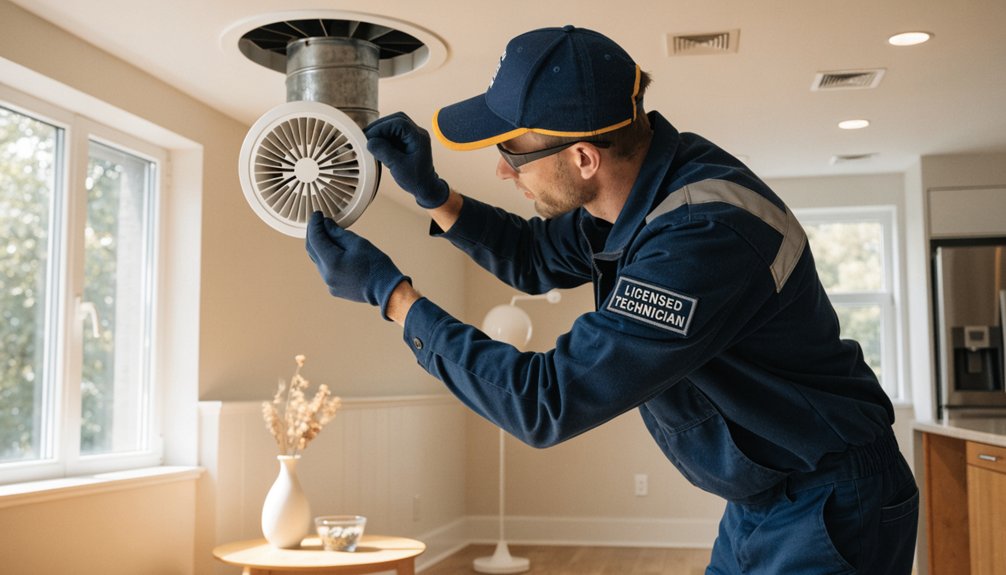
If a ducted heating system passes a thorough safety check, it’s usually better positioned to operate at its designed efficiency, since faults that compromise safety often also increase energy use.
You benefit in four measurable ways:
- Burner and heat exchanger checks confirm stable combustion, reducing wasted fuel and supporting energy efficiency.
- Airflow testing identifies blocked filters, duct leaks, or fan issues that force longer run times.
- Thermostat calibration verifies accurate temperature control, so your system doesn’t overheat rooms or cycle excessively.
- Electrical and gas component inspection guarantees compliance with safety standards while preventing performance losses from worn parts.
When each operating parameter is validated against manufacturer tolerances, your heater can deliver steadier output, lower operating strain, and more reliable seasonal performance with fewer inefficiencies overall. Partnering with experienced technicians who specialise in gas ducted heating ensures these safety checks are carried out correctly and maintain both efficiency and reliability over time.
Ducted Heating Safety Checks for Rental Properties
For rental properties, you must guarantee your ducted heating system meets annual compliance requirements through documented safety checks and servicing. You should also understand tenant safety responsibilities, including prompt fault reporting and maintaining clear access to heating components. Because carbon monoxide risk can’t be identified without proper testing, you need regular inspections to verify safe operation and regulatory compliance. Regular inspections also help prevent gas leaks that can pose serious health risks and compromise home safety.
Annual Compliance Requirements
While annual compliance requirements vary by jurisdiction, you’ll generally need to guarantee the ducted heating system in a rental property is inspected and tested at the prescribed interval by a licensed or qualified technician. To meet compliance regulations and your legal obligations, you should maintain a documented servicing schedule and retain verifiable records.
- Confirm the inspection frequency mandated under current rental and gas safety standards.
- Engage an appropriately licensed technician to test combustion performance, ventilation, and carbon monoxide risks.
- Record defects, rectification dates, invoices, and compliance certificates in an auditable format.
- Review manufacturer servicing requirements so statutory checks align with operational specifications.
Tenant Safety Responsibilities
Although the landlord is responsible for arranging prescribed inspections and repairs, you also have practical safety obligations when using a ducted heating system in a rental property. Your tenant obligations include operating the unit according to supplied instructions, keeping return air grilles and vents unobstructed, and maintaining clear access to the heater, controls, and external components where applicable.
You should promptly report unusual noises, ignition issues, airflow reduction, visible damage, or persistent shutdowns to the property manager. Don’t attempt unauthorised repairs, alterations, or disconnection of safety devices. Maintain basic housekeeping around outlets and intake points to support safe performance and system efficiency. Good safety awareness also means monitoring filter-cleaning responsibilities if your tenancy agreement assigns them, and documenting any faults in writing so maintenance actions can be tracked and verified properly.
Carbon Monoxide Risk
Because carbon monoxide is colourless, odourless, and potentially fatal, any ducted gas heater in a rental property must be treated as a critical safety risk if combustion becomes faulty or flue gases leak into occupied areas. You can’t rely on smell or visibility, so systematic testing is essential during every safety check.
- Verify burner operation, heat exchanger integrity, and flue draft.
- Test carbon monoxide detectors and confirm correct placement.
- Inspect ventilation systems for blockage, pressure imbalance, or inadequate airflow.
- Record readings, defects, and rectification actions for compliance evidence.
If symptoms like headaches, nausea, or dizziness appear, you should isolate the heater immediately and arrange licensed inspection. You mustn’t operate a compromised unit until faults are rectified and post-repair combustion testing confirms safe performance.
How to Choose a Ducted Heating Specialist in Melbourne
How do you verify that a ducted heating specialist in Melbourne is qualified to work safely on your system? Start by checking specialist qualifications, including the appropriate gas fitting licence, registration, and manufacturer training for ducted heating equipment. Confirm the technician follows Australian Standards, performs combustion testing, and documents safety checks. When comparing providers, ask whether they conduct regular carbon monoxide test procedures and full system diagnostics in line with Brivis service recommendations.
Next, assess customer reviews for consistent evidence of punctuality, fault diagnosis, and compliant workmanship. Ask whether service guarantees cover parts, labour, and rectification timeframes. Prioritise providers with local expertise, because Melbourne’s climate and housing stock can affect zoning, airflow, and heater performance. You should also confirm they offer emergency services for shutdowns, gas leaks, or carbon monoxide concerns. Finally, request a written quote, scope of work, and post-service report before you authorise any repairs or maintenance work.
Frequently Asked Questions
Can Safety Checks Be Done on Weekends or After Business Hours?
Yes, you can schedule safety checks with weekend availability and after hours service, subject to technician rostering, site access, and compliance requirements. You’ll need confirmation that testing, documentation, and any rectification can be completed safely.
Will a Safety Check Void My Heater’s Manufacturer Warranty?
No—proper, professional safety checks typically won’t void your heater’s warranty; you should verify manufacturer terms. Warranty implications depend on compliant servicing, while documented safety check frequency often supports claims, satisfies standards, and safeguards system eligibility.
Are There Rebates Available for Ducted Heating Inspections in Melbourne?
Yes, you may find limited rebates in Melbourne, but they’re uncommon for inspections alone. You should verify rebate eligibility through Victorian energy programs, local councils, or bundled service offers, and compare inspection costs before booking.
How Long Should I Wait After Renovation Before Booking a Safety Check?
Like calibrating equipment, you should wait 7–14 days after renovation before booking a safety check, allowing dust and volatile residues to settle. Your post renovation timeline should also align with manufacturer guidance and safety check frequency.
Can Pets Remain Indoors During a Ducted Heating Safety Inspection?
Yes, your pets can usually remain indoors during a ducted heating safety inspection, provided they’re secured. For pet safety and a controlled indoor environment, you’ll need to isolate them from work areas and follow technician instructions.