
If you manage a rental property in Melbourne, you can’t treat heating as an afterthought. You’re responsible for meeting Victoria’s minimum standards, keeping fixed heaters safe, and arranging servicing before faults turn into compliance issues or tenant complaints. A missed inspection can lead to costly repairs, disputes, or safety risks. The key is knowing what must be done, when to do it, and which mistakes landlords make most often.
Key Takeaways
- Melbourne rentals must have a safe, fixed heater in the main living area to meet Victoria’s minimum rental standards.
- Annual servicing and safety checks help prevent gas leaks, carbon monoxide risks, and unexpected heating breakdowns.
- Fast fault diagnosis and urgent repairs restore habitability quickly and reduce tenant complaints during colder months.
- Upgrading to efficient systems like reverse-cycle splits or high-star ducted heating can lower running costs and improve comfort.
- Choose licensed, insured heating providers who understand Victorian compliance, offer clear reports, and keep detailed maintenance records.
Understand Melbourne Rental Heating Rules
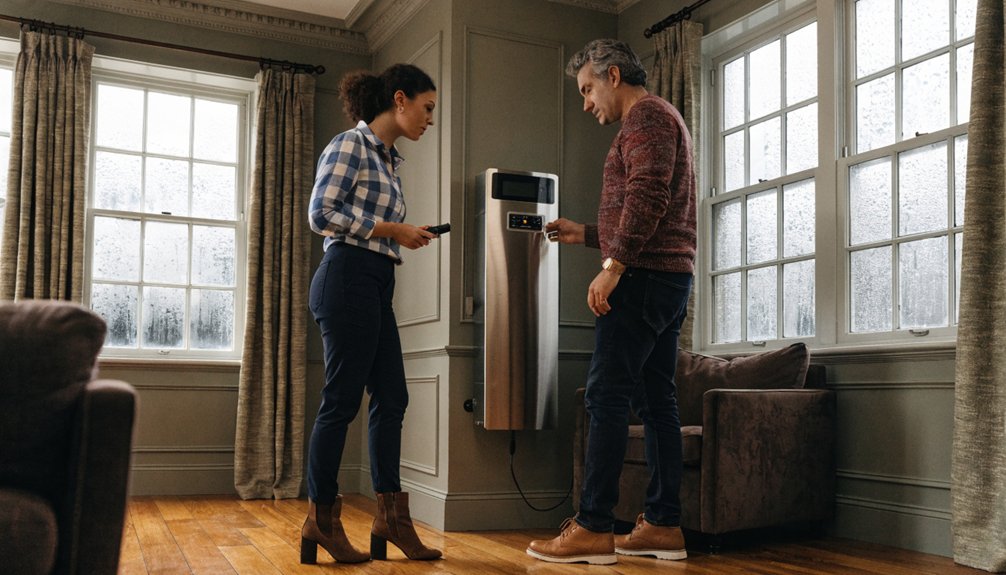
Before you arrange or upgrade heating in a Melbourne rental, you need to understand Victoria’s minimum rental standards, because they set the baseline for what’s legally required. These rental regulations apply when a lease starts and affect how you assess compliance before advertising or renewing occupancy.
You must provide a fixed heater in the main living area unless a specific exemption applies. Portable units generally won’t satisfy heating standards. You should also check whether the installation is safe, functional, and appropriate for the room’s use, because non-compliance can trigger disputes, notices, or penalties. Under local rules, failure to meet minimum heating requirements can lead to significant financial penalties and even legal action from tenants.
If you’re managing an older property, don’t assume existing equipment meets current rules. Review the tenancy dates, document the heater’s status, and keep records showing you’ve met Melbourne’s rental regulations and heating standards properly.
Essential Heating Services for Melbourne Rentals
For Melbourne rentals, you’ll need annual heater servicing to keep systems working safely and reliably. You should also arrange safety compliance checks to confirm the heater meets current rental standards. These services help you reduce risk, document compliance, and address faults before they become bigger issues. Regular servicing by qualified technicians helps prevent gas leaks and carbon monoxide buildup while maintaining energy-efficient operation.
Annual Heater Servicing
One annual heater service can make the difference between a compliant rental and a costly maintenance issue. If you own or manage a Melbourne rental, scheduling heater maintenance every year helps you keep systems efficient, reduce breakdowns, and document ongoing care under your rental agreements.
A qualified technician can clean components, test performance, check airflow, inspect filters, and identify wear before it becomes an expensive repair. That means fewer tenant complaints, less disruption during winter, and better control over maintenance budgets.
Annual servicing also supports faster response times when faults appear, because service history gives contractors a clearer picture of the unit’s condition. For landlords, it’s a simple, repeatable task that protects the heating asset, supports tenancy expectations, and helps you stay organised across multiple properties year after year.
Safety Compliance Checks
Because rental heating must be safe as well as functional, safety compliance checks are a core part of managing any Melbourne property. You need licensed technicians to test heaters for leaks, ventilation issues, carbon monoxide risks, and faulty shutdown systems. Regular compliance inspections help you meet safety regulations, protect tenants, and document due diligence.
| Check | Why it matters | Your action |
|---|---|---|
| Gas leak testing | Prevents fire, exposure | Book licensed plumber |
| Ventilation check | Reduces carbon monoxide risk | Clear vents, service unit |
| Safety controls | Confirms shutdown operation | Replace faulty parts promptly |
You shouldn’t wait for complaints or breakdowns. Scheduled checks reduce liability, support tenancy obligations, and keep your rental heating system legally compliant, safe, efficient, and ready for seasonal demand year-round.
Book Heater Servicing Before Winter
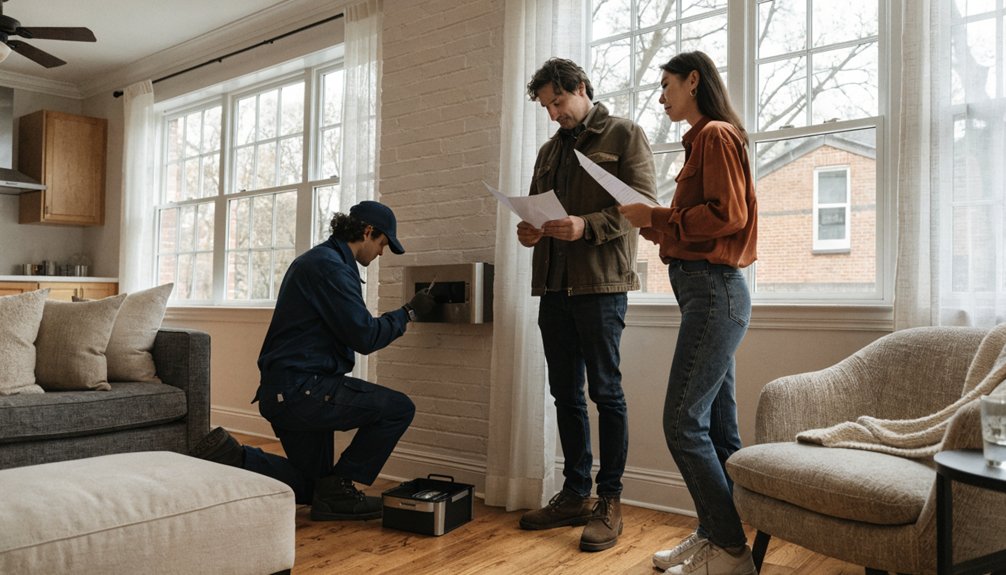
Before temperatures drop, schedule heater servicing so faults are found and fixed while you still have time to act. Booking early helps you meet landlord obligations, avoid seasonal delays, and confirm each system is ready for safe operation before tenants rely on it daily.
A pre-winter service lets you check burners, filters, airflow, thermostats, and ventilation, while confirming the unit performs as intended. It’s one of the simplest heating tips for winter preparation because you’re addressing wear before colder weather increases demand. You’ll also have clearer records showing the heater was inspected and maintained at an appropriate time. For rental properties in Melbourne, that timing matters. Early servicing supports tenant comfort, reduces avoidable downtime, and helps you manage maintenance planning without last-minute pressure during the busiest cold-season booking period. Regular pre-winter servicing also reduces energy consumption and helps prevent costly breakdowns by keeping the ducted heating system operating efficiently.
Fix Rental Property Heating Problems Fast
When a heating fault is reported, you need rapid diagnosis so you can identify the issue, reduce downtime, and document the response. You should arrange urgent heater repairs to restore safe, reliable heating as quickly as possible. Fast action also helps you meet tenant heating compliance requirements and lower the risk of disputes or penalties. Engaging professionals for annual inspections and routine maintenance can also prevent many common heater issues before they disrupt your tenants.
Rapid Fault Diagnosis
A fast, structured diagnosis helps you restore heat quickly while keeping the property compliant and safe for tenants. Start by confirming the heater type, reported symptoms, outage timing, and whether any alarms, odours, or electrical issues were noticed. That information supports accurate fault detection and helps you prioritise risk.
You should then arrange a qualified technician to inspect power supply, gas pressure, ignition sequence, airflow, thermostat response, and safety shutoffs. Clear records matter, so log tenant reports, test results, and access times for your compliance file. If heat loss affects minimum rental standards, communicate promptly and consider temporary emergency solutions where appropriate. A diagnosis-first approach reduces guesswork, prevents unnecessary part changes, and gives you a documented basis for the next decision while protecting tenant safety and landlord obligations.
Urgent Heater Repairs
Urgent heater repairs should be treated as a priority because loss of heating can quickly affect tenant safety, habitability, and your compliance duties. You should act fast, document the fault, and arrange qualified technicians without delay. Clear tenant notifications help set expectations and reduce disputes while access is organised.
| Situation | Your response |
|---|---|
| No heat at all | Book urgent repairs immediately |
| Gas smell or fault code | Isolate system and call a licensed technician |
| Intermittent heating | Record symptoms and escalate same day |
| Parts delay | Provide updates and temporary options |
Fast action protects your property, supports tenants, and shows you’re managing maintenance responsibly. Keep records of reports, booking times, contractor attendance, and communications so you can demonstrate prompt action if questions arise later.
Tenant Heating Compliance
Fast repairs matter, but you also need to meet tenant heating compliance at every stage of the tenancy. You must provide a working, fixed heater in the main living area where required, keep it safe, and respond quickly when faults affect habitability. Clear records help you prove action, timing, and maintenance history if questions arise.
You should schedule inspections, test performance, and arrange licensed repairs before issues escalate. Explain heater operation to renters, document reports, and communicate expected timeframes. This supports tenant rights while showing you take heating responsibilities seriously. If a system fails, prioritise urgent attendance and consider temporary heating where appropriate. Compliance isn’t just about installations; it’s about ongoing function, safety checks, and prompt rectification. Staying proactive reduces disputes, protects your property, and helps you meet Melbourne rental standards consistently.
Upgrade Rental Heating for Better Efficiency
When your rental’s heating system is outdated, upgrading it can improve energy efficiency, lower operating costs, and help you meet habitability and local code requirements. You’ll also reduce breakdowns, simplify maintenance, and support tenant comfort during colder months without relying on inefficient portable heaters or temporary fixes. For many Melbourne rentals, upgrading to a ducted gas heating system with a higher star rating can further cut running costs compared with older electric heaters or basic split systems.
Focus on energy efficient upgrades that deliver measurable performance, such as reverse-cycle split systems, modern thermostats, zoning controls, and improved insulation around heated areas. These improvements can cut waste, stabilise indoor temperatures, and help you document that the property meets minimum heating expectations. If existing units are unsafe, undersized, or expensive to run, replacement is often more compliant and cost-effective than repeated repairs. By upgrading proactively, you protect your asset, reduce complaints, and keep the property functional, efficient, and easier to manage year-round overall.
How to Choose a Heating Service for Rentals
How do you choose a heating service that protects both your property and your compliance position? Start by confirming the provider understands Victorian rental standards, gas and electrical safety checks, and documentation requirements. You need a team that can inspect, service, repair, and certify systems without delays. It’s worth prioritising contractors who specialise in central heating repair and maintenance in Melbourne, offering end‑to‑end support from installation through to ongoing servicing.
Next, compare experience across different heating system types, from ducted gas to split systems and wall furnaces. Ask whether they provide clear reports, fixed pricing, and emergency response. A reliable provider should also explain practical energy efficiency options, including upgrades that reduce tenant running costs without creating compliance risks. Finally, check licensing, insurance, and response times. If a contractor can’t show qualifications, maintenance records, and a compliance-focused process, don’t appoint them. Good service protects asset value, tenancy continuity, and legal confidence.
Frequently Asked Questions
Can Landlords Claim Tax Deductions for Heating Repairs and Replacements?
Yes, you can usually claim tax benefits for heating repair costs as immediate deductions if they’re genuine repairs. If you replace the entire unit, you’d generally claim depreciation instead, so keep invoices and compliance records.
Do Tenants Need Permission to Use Portable Heaters in Rentals?
Usually, you’ll need permission if your lease restricts appliances or portable heater regulations apply. Check your agreement first. Your tenant responsibilities include safe use, avoiding overloads, and following building rules, insurer requirements, and landlord instructions.
How Long Does a Typical Heater Installation Take in Melbourne?
Most Melbourne heater installations take 4–8 hours—like a pit stop that still checks every bolt. Your timeframe depends on heater types, property access, compliance checks, and installation costs; ducted or rewiring jobs can stretch longer.
Are Smart Thermostats Worth Installing in Rental Properties?
Yes, they’re usually worth installing in rental properties because you’ll improve energy efficiency, support consistent temperatures, and reduce waste. Smart thermostat benefits also include easier control, potential compliance support, and better tenant comfort without major upgrade costs.
What Documents Should Landlords Keep After Heating Work Is Completed?
Keep heating warranties, maintenance records, invoices, compliance certificates, gas safety checks, electrical test results, manuals, and contractor details after heating work’s completed. You’ll need them for future repairs, warranty claims, audits, and proving legal compliance.