
Your heating system can hide faults that put your family at risk long before comfort is affected. You can’t reliably spot issues like gas leaks, airflow restrictions, ignition failures, or a cracked heat exchanger without trained inspection. Professional heating service helps you stay compliant, reduce fire and carbon monoxide hazards, and protect indoor air quality. The key question is which warning signs mean you shouldn’t wait any longer.
Key Takeaways
- Professional heating service finds hidden problems like cracked heat exchangers, failing sensors, and unsafe wiring before they threaten family safety.
- Regular maintenance reduces fire and gas leak risks by cleaning burners, checking flame quality, and verifying gas pressure and shutoff valves.
- Technicians use combustion testing to detect carbon monoxide dangers and confirm the system is burning fuel safely and efficiently.
- Professional repairs meet code and warranty requirements, lowering the risk of dangerous DIY mistakes and missed hazards.
- Service visits improve airflow, filtration, and ventilation, supporting cleaner indoor air and safer, more reliable heating performance.
Hidden Heating Problems That Put Families at Risk
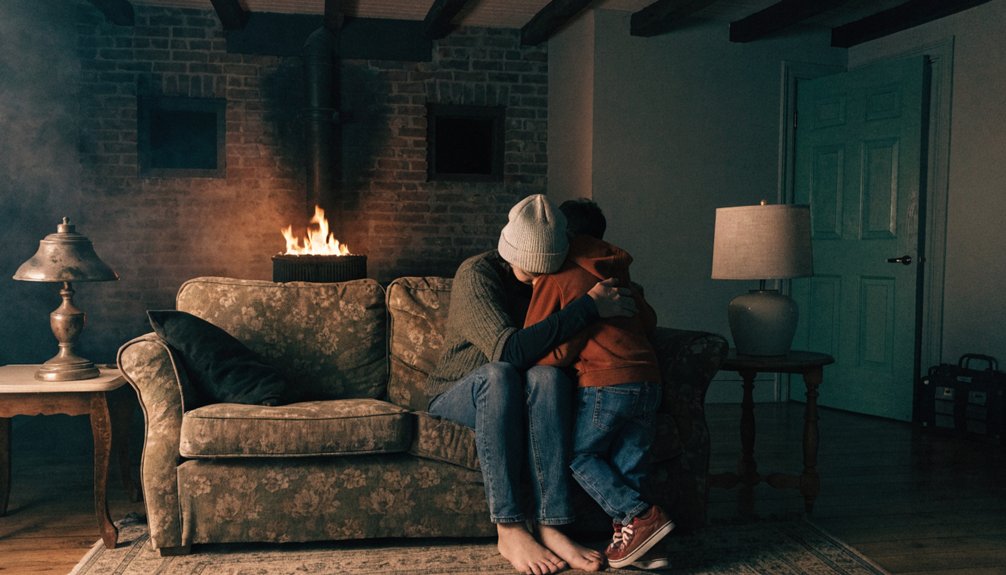
Why do some heating systems become dangerous long before they stop working? Because performance can mask deterioration in controls, airflow, wiring, and combustion balance. You might still get heat while sensors drift out of calibration, blower motors overamp, or heat exchangers develop stress fractures. These invisible hazards can undermine indoor safety, equipment reliability, and code compliance without obvious symptoms. You can’t rely on noise or shutdowns alone to identify risk. Restricted filters, failing limit switches, loose terminals, and blocked vents often progress silently until they trigger emergency repairs or secondary component damage. Professional inspections verify operating tolerances, inspect mechanical wear, and document deficiencies before they escalate. When service follows manufacturer specifications and local regulations, you reduce avoidable exposure, preserve system integrity, and protect your household from preventable heating-related incidents. Regular professional gas heater maintenance significantly reduces the risk of dangerous carbon monoxide leaks that can occur long before obvious system failure.
How Heating Service Prevents Fires and Gas Leaks
Even when a furnace or boiler appears to run normally, neglected service can allow ignition faults, deteriorated gas connections, overheated wiring, and improper venting to develop into fire or leak hazards.
During scheduled heating service, you reduce fire hazards by having burners cleaned, flame characteristics checked, electrical terminals tightened, and heat exchangers inspected for cracks or distortion. You also limit leak risks when technicians verify manifold pressure, test shutoff valves, inspect connectors, and confirm venting meets code and manufacturer specifications. Combustion analysis helps identify incomplete burning that can accompany unsafe operation, while gas detection procedures can reveal small leaks before they escalate. By keeping safety controls calibrated and airflow unrestricted, you lower the chance of overheating, delayed ignition, and hazardous gas accumulation inside your home. In Melbourne, regular gas heater servicing is especially important during winter to prevent gas leaks and carbon monoxide buildup while maintaining efficient, reliable home heating.
Why Professional Heating Repairs Are Safer
Because heating systems combine fuel, flame, electricity, and venting in one assembly, professional repairs are safer than do-it-yourself fixes that can overlook code requirements and hidden failure points. You can’t always see cracked heat exchangers, unsafe wiring, blocked flues, or pressure irregularities, but a licensed technician tests for them using calibrated instruments and manufacturer procedures. During a professional visit, technicians also perform annual inspections and component cleaning that can reveal hidden gas supply issues, ductwork leaks, or pilot light problems before they become safety hazards.
When you hire a qualified professional, you reduce the risk of ignition problems, carbon monoxide hazards, electrical shorts, and premature component failure. Proper diagnosis also protects energy efficiency by correcting the actual defect instead of masking symptoms with temporary parts swaps. During emergency repairs, technicians follow lockout, combustion, and venting protocols that help keep your household protected. Their work is also documented for warranty compliance, inspection readiness, and safer system operation over time.
How Heating Maintenance Keeps Your Air Cleaner
Although most people associate heating service with comfort and reliability, routine maintenance also plays a direct role in keeping your indoor air cleaner. When your system is inspected, cleaned, and adjusted, you reduce dust circulation, microbial buildup, and combustion byproducts that can compromise air quality.
A qualified technician will replace filters, clear debris from burners and blower components, and verify proper ventilation and heat exchanger performance. Those steps help limit particulate movement, support safe combustion, and reduce the chance of contaminants entering occupied spaces. Maintenance also keeps airflow balanced, which helps your equipment operate within manufacturer specifications and applicable safety codes. As a result, you protect your household from avoidable exposure while supporting energy efficiency. Cleaner operation means your heating system doesn’t just warm your home; it helps safeguard the air you breathe daily. Regular professional servicing also helps prevent system breakdowns and costly repairs by keeping your ducted heating operating efficiently and within its intended lifespan.
Signs It’s Time to Schedule Heating Service

When should you schedule heating service instead of waiting for a breakdown? You should act when your system shows performance, safety, or control problems. Uneven temperatures, short cycling, delayed ignition, or rising utility bills often indicate restricted airflow, burner inefficiency, or failing electrical components. Thermostat issues can also signal calibration errors, wiring faults, or communication problems affecting safe operation. You should also schedule service if you notice unusual noises, burning odors, weak airflow, or excess dust near registers. Those symptoms can point to loose parts, motor wear, cracked heat exchangers, or combustion concerns that require prompt inspection. If your carbon monoxide detector alerts, shut the system down and call a qualified technician immediately. Professional service helps you maintain manufacturer requirements, code compliance, and safer indoor conditions for your family year-round. In Melbourne, having your gas heater inspected with carbon monoxide testing as part of regular service is essential for protecting your family from this colourless, odourless threat.
Frequently Asked Questions
How Often Should I Replace My Heating System Entirely?
You should typically replace your heating system every 15–20 years; nearly 75% of failures occur after year 15. Monitor heating lifespan and replacement indicators like inefficiency, cracked heat exchangers, and code-compliance or safety deficiencies.
Are Smart Thermostats Worth Installing With Older Heating Systems?
Yes, you’ll often find smart thermostat benefits worthwhile with older units, if older system integration is verified. You should confirm wiring compatibility, control logic, and safety limit compliance first, so you won’t risk malfunction or inefficiency.
Does Homeowners Insurance Cover Heating System Damage or Failures?
Usually, your homeowners insurance coverage won’t cover heating repairs from wear, neglect, or mechanical failure. It may cover sudden covered perils, like fire or storms. You should review exclusions, maintenance obligations, and policy endorsements carefully.
What Heating System Size Is Best for My Home?
Like a shield against winter, your best heating system size depends on your home’s load calculation; you’ll need proper heating capacity for square footage, insulation, and climate, ensuring system efficiency, code compliance, and safe operation.
Can Heating Services Improve My Home’s Energy Efficiency Ratings?
Yes, you can improve your home’s energy efficiency ratings through heating services using energy audits and system upgrades. You’ll reduce waste, verify code compliance, optimize combustion safety, and document performance improvements for rating assessments.