
A gas heater can seem steady for years, then fail like a warning light you didn’t notice until the engine overheated. If you use gas heating, you can’t treat safety checks, repairs, and maintenance as optional. Small faults like burner contamination, pressure imbalance, or a hidden leak can reduce efficiency and raise serious safety risks. Knowing what technicians inspect, and which symptoms mean act now, could prevent a much larger problem.
Key Takeaways
- Gas heating services should include safety checks for leaks, combustion quality, gas pressure, airflow, and carbon monoxide risks.
- Book repairs promptly for gas smells, ignition failure, yellow flames, unusual noises, repeated shutdowns, or carbon monoxide alarm activation.
- Routine maintenance includes cleaning burners, replacing filters, checking pilot lights, and inspecting heat exchangers, valves, and safety controls.
- Regular servicing improves heater efficiency, reduces fire and carbon monoxide hazards, and helps meet manufacturer and local code requirements.
- Choose providers with strong reviews, clear written quotes, fast response times, and approved parts that match heater specifications.
Why Gas Heating Safety Checks Matter
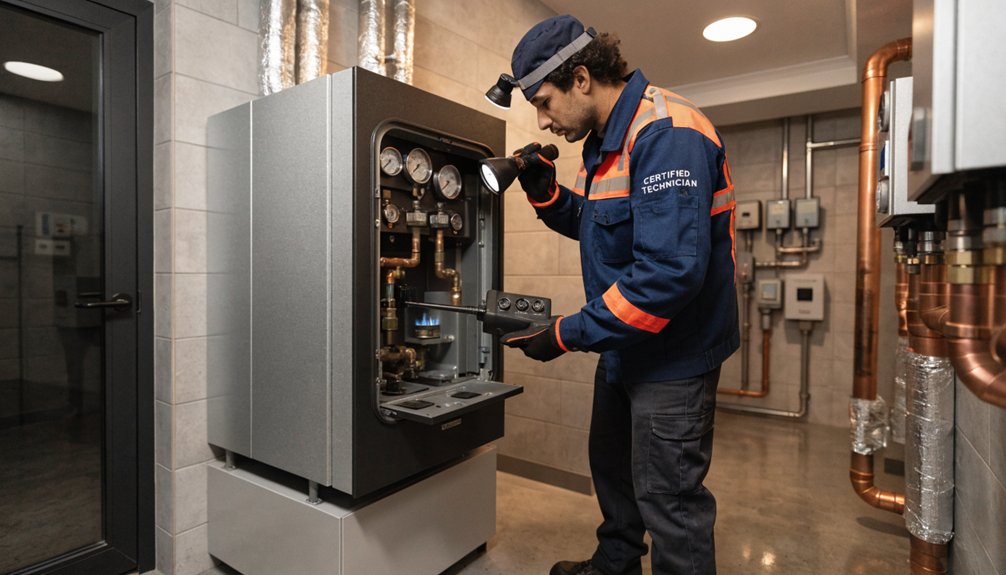
Because gas heaters rely on combustion and venting to operate safely, routine safety checks are essential for protecting your home, equipment, and indoor air quality. You can’t assume normal operation means safe operation, because hidden faults can develop in burners, heat exchangers, valves, and flue connections over time. A professional safety inspection verifies combustion performance, confirms proper gas pressure, tests ignition reliability, and checks ventilation pathways for obstruction or backdrafting. These steps help identify gas leaks, incomplete combustion, and elevated carbon monoxide risk before they become dangerous. Safety checks also confirm safety controls respond correctly, seals remain intact, and components aren’t overheating or deteriorating. By scheduling inspections regularly, you reduce fire hazards, protect appliance efficiency, support code compliance, and guarantee your heating system operates within safe design limits all season. Annual inspections also help prevent carbon monoxide poisoning and other serious health risks associated with undetected gas leaks.
Signs Your Gas Heater Needs Repair
Even with regular safety checks, your gas heater can still develop faults between inspections, and early warning signs shouldn’t be ignored. If your system shows inconsistent heating, a faulty thermostat may be misreading temperatures or failing to regulate burner operation correctly. Addressing issues like dirty or clogged filters early can prevent airflow restrictions that reduce heating efficiency and increase energy costs over time.
- Unusual noises, such as banging, whistling, or clicking, can indicate ignition problems, airflow restrictions, or worn internal components.
- Pilot light issues, frequent cycling, and excessive dust around vents often point to combustion imbalance, dirty burners, or filtration and duct faults.
- Gas leaks, even minor ones, plus age concerns in older units, can reduce efficiency, strain components, and compromise safe operation over time.
If you notice any combination of these symptoms, your heater likely needs professional assessment to restore reliable, controlled, and efficient performance safely.
When Should You Book Repairs Fast?
You should book repairs fast when your gas heater shows warning signs such as a gas smell, ignition failure, unusual noises, or unstable heat output. Urgent heating faults like carbon monoxide alarm activation, burner problems, or repeated shutdowns can indicate a serious safety risk and shouldn’t be ignored. In same-day repair situations, acting quickly helps you reduce hazard exposure, prevent system damage, and restore safe operation. Because carbon monoxide is a colourless, odourless gas that can cause serious health effects or death, any suspected CO issue requires immediate professional attention and evacuation if symptoms appear.
Warning Signs To Watch
When a gas heater starts showing unusual behaviour, it’s important to treat the issue as a potential safety risk rather than a minor inconvenience. You shouldn’t ignore early warning signs, because small performance changes often point to developing faults that affect efficiency, combustion quality, or component reliability.
Key heater indicators include:
- delayed ignition, inconsistent startup, or unusual cycling patterns during normal operation
- reduced heat output, uneven room temperatures, or longer run times than expected
- rattling panels, fan noise changes, or dust marks around vents and casing
If you notice these warning signs, book a qualified technician promptly. A professional inspection can test airflow, burner condition, thermostat response, and flue performance before wear leads to more complex repairs. Early action helps protect safety, system lifespan, and efficiency.
Urgent Heating Faults
Some gas heater faults need same-day attention because they can indicate unsafe combustion, ventilation failure, or electrical problems rather than routine wear. If your unit trips breakers, emits a burning smell, cycles erratically, or shows yellow flames, you shouldn’t delay diagnostics. These symptoms can point to overheating, restricted airflow, damaged wiring, or incomplete gas burn.
You should also act quickly if the heater shuts down under load, struggles to ignite, or produces unusual vibration. Those signs often involve faulty components such as pressure switches, ignition assemblies, fan motors, or flue sensors. Prompt inspection helps prevent escalating damage to heat exchangers and control boards. While not all faults are emergency situations, fast booking reduces safety risks, avoids secondary failures, and restores stable, efficient operation before colder conditions place additional strain on performance.
Same-Day Repair Situations
Although not every heating fault is critical, same-day gas heater repairs are advisable if the unit won’t start, keeps cutting out, leaks water, smells of gas, or delivers little to no heat during cold conditions.
You shouldn’t delay when symptoms suggest combustion, ignition, or circulation problems. Fast booking improves technician availability and supports safe emergency response before the fault escalates.
- Gas odour, sooting, or unusual flame colour can indicate incomplete combustion or leakage.
- Repeated shutdowns may point to overheating, blocked airflow, sensor faults, or pressure irregularities.
- Water leaks around the unit can damage controls, reduce efficiency, and signal internal component failure.
If you notice any of these signs, switch the heater off, isolate gas if instructed, ventilate the area, and arrange qualified repair immediately. Don’t attempt DIY diagnostics or relighting yourself.
What’s Included in Gas Heating Services?
A standard gas heating service covers the checks and tasks that keep your system operating safely and efficiently. You’ll typically get a safety inspection checklist, targeted repair or replacement of faulty components, and routine maintenance tasks such as cleaning, testing, and calibration. Knowing what’s included helps you confirm that your heater meets performance and safety requirements. Regular servicing also helps prevent dangerous carbon monoxide buildup, provides early detection of gas leaks, and ensures your system is prepared for heavy use during winter.
Safety Inspection Checklist
Before any tuning or repairs begin, a gas heating safety inspection checklist verifies that your system can operate without creating immediate fire, combustion, or carbon monoxide hazards. You’ll want technicians to follow strict safety protocols and confirm proper inspection frequency for your equipment.
- Check gas line integrity, shutoff valve function, and regulator performance for leaks or pressure irregularities.
- Test burner ignition, flame stability, venting draft, and heat exchanger condition to detect unsafe combustion.
- Verify carbon monoxide readings, thermostat response, electrical connections, and clearance around the unit.
This checklist helps you identify hazards early, document operating conditions, and confirm that your heater meets baseline safety requirements. When inspections are completed methodically, you reduce preventable risks, support efficient operation, and maintain safer indoor air quality throughout the heating season.
Repair And Replacement
Address repairs promptly, and replace failing components when they can’t meet safe operating standards. You’ll reduce ignition risks, prevent combustion faults, and protect heater efficiency. Technicians isolate defects, confirm gas leak detection results, and verify pressure, airflow, and controls before restoring operation safely.
| Component | Common fault | Action |
|---|---|---|
| Thermocouple | Weak signal | Replace |
| Gas valve | Sticking/open leak | Repair/replace |
| Igniter | No ignition | Replace |
| Heat exchanger | Crack/corrosion | Replace unit |
If your system shows unstable flames, delayed ignition, or recurring shutdowns, you shouldn’t delay service. Approved replacement parts must match manufacturer specifications and local code requirements. After repairs, technicians test combustion performance, safety shutoff response, and sealing integrity, so you can operate the heater confidently without compromising occupant safety or system reliability.
Routine Maintenance Tasks
Because routine maintenance catches wear before it becomes a combustion or venting hazard, gas heating services typically include cleaning burners and ignition components, inspecting the heat exchanger for cracks or corrosion, checking gas pressure and valve operation, testing safety controls and limit switches, verifying flue draft and vent connections, replacing or cleaning filters, and confirming thermostat accuracy.
You should also expect:
- Filter replacement when airflow is restricted, preventing overheating, short cycling, and efficiency loss.
- Pilot light inspection to verify stable ignition, proper flame color, and reliable burner startup.
- Tightening electrical connections and checking condensate drainage where high-efficiency units are installed.
These tasks help you reduce fuel waste, maintain safe combustion, and catch small faults before they trigger shutdowns, carbon monoxide risks, or costly component failure later.
What Happens in a Gas Heating Service?
A typical gas heating service starts with three core checks: safety, performance, and system condition. Your technician inspects the appliance, flue, ventilation, and gas connections to confirm compliance with Gas safety regulations. They test ignition, burner operation, thermostat response, and airflow to assess Gas heater functionality and confirm stable combustion. As part of this process, technicians will often discuss the importance of carbon monoxide detectors and regular inspections to reduce the risk of CO exposure in your home.
Next, you’ll have operating pressures, temperature output, and carbon monoxide readings measured with calibrated instruments. The technician cleans accessible components, checks seals, and looks for wear, corrosion, or soot that could affect safe operation. They also verify shutdown controls and safety devices work correctly under normal conditions. If your system uses filters, these are inspected or replaced where required. At the end, you should receive a clear summary of findings, service actions completed, and any recommendations for ongoing safe, efficient performance.
Common Heater Problems Technicians Fix
Most gas heater faults technicians resolve involve ignition failure, weak heat output, unusual shutdowns, and signs of unsafe combustion. If your system won’t start, a technician may test the igniter, thermocouple, gas valve, and pilot light assembly for faults or contamination. Technicians can also carry out carbon monoxide tests and safety inspections to ensure your Brivis or ducted gas heater complies with relevant standards and operates safely in your home.
- Thermostat issues can cause short cycling, incorrect temperature readings, or no call for heat.
- Dirty burners, blocked filters, or restricted airflow may reduce output and overheat components.
- Cracked heat exchangers, flue blockages, or carbon monoxide indicators require immediate isolation and safety checks.
You may also notice delayed ignition, rumbling, or burner flames that look yellow instead of stable blue. Technicians inspect ventilation, combustion pressure, flame sensing, wiring integrity, and shutdown controls so your heater operates safely, reliably, and within manufacturer specifications every day.
How Does Gas Heating Maintenance Save Money?
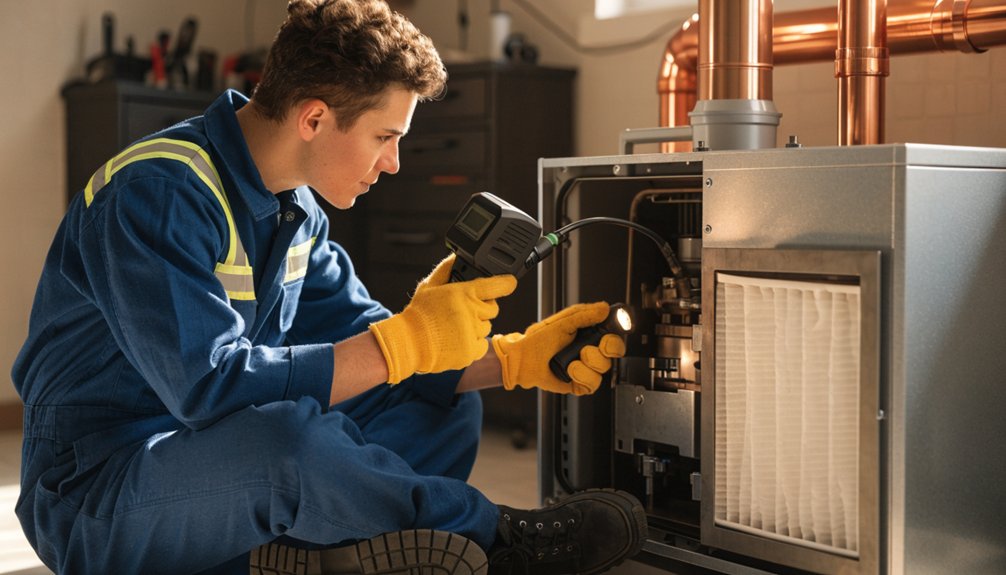
When your gas heater is maintained on schedule, it doesn’t have to work as hard to deliver the same heat, which lowers fuel use and reduces wear on critical parts. Clean burners, correct gas pressure, and calibrated controls support energy efficiency, helping you avoid wasted consumption and unstable operation. Maintenance also protects you from expensive faults. During service, a technician can identify blocked filters, ignition issues, heat exchanger stress, and venting problems before they escalate into breakdowns or unsafe combustion. That means you’re less likely to face emergency repairs, damaged components, or rising utility bills caused by poor performance. You also extend the system’s service life, delaying replacement costs. In practical terms, regular maintenance improves reliability, supports safe operation, and delivers measurable cost savings through reduced fuel use and fewer major repairs. With expert central heating repair and scheduled tune-ups in Melbourne, you can further reduce the likelihood of major faults and keep your system operating at peak efficiency for longer.
How Often Should You Service Gas Heating?
Regular maintenance saves money, and it also sets the schedule you should follow: in most cases, you should have your gas heating system professionally serviced once a year, ideally before the heating season starts.
Your Frequency guidelines may change if the unit is older, heavily used, or operating in dusty conditions. Annual servicing helps you catch wear early, verify safe combustion, and confirm ventilation is unobstructed.
- Check burners, heat exchanger, and ignition performance
- Test gas pressure, flue draft, and carbon monoxide levels
- Clean filters, inspect seals, and tighten electrical connections
These Service benefits reduce breakdown risk and help maintain efficiency. Annual professional servicing by qualified technicians also supports consistent heating performance and improved energy efficiency, helping lower bills and extend system lifespan. If you notice unusual noises, delayed ignition, yellow flames, or rising energy bills, don’t wait for the yearly visit; book an inspection sooner to protect safety and system reliability overall.
How to Choose a Gas Heating Provider
How do you identify a gas heating provider that’s qualified to work safely on your system? Start by checking licensing, insurance, and manufacturer certifications. You should confirm the technician is authorised for gas work and trained to test combustion, ventilation, pressure, and flue integrity. Ask whether they follow current safety standards and provide documented inspection results after servicing. Choosing providers with specialist experience in gas ducted heating and a strong track record in Melbourne ensures your system is serviced efficiently and safely.
Next, assess provider reputation through verified reviews, response times, and how they handle faults or emergency callouts. You should compare service pricing, but don’t choose on cost alone. A reliable provider will explain labour, parts, testing, and warranty terms clearly. Request a written quote and ask if replacement components meet your heater’s specifications. Clear communication, transparent records, and safety-first procedures usually indicate a dependable gas heating provider.
Frequently Asked Questions
Can Gas Heating Affect Indoor Humidity Levels?
Yes, your gas heating can lower indoor humidity, especially with vented systems drawing in dry air. To protect indoor air quality and gas heating efficiency, you should monitor humidity and use ventilation and humidification appropriately.
Are Gas Heaters Safe to Use During a Power Outage?
Yes, you can use some gas heaters during a power outage if they’re non-electric, properly vented, and maintained. You should follow safety precautions, monitor carbon monoxide, guarantee ventilation, and prepare alternative heating if operation depends on electricity.
Do Gas Heating Services Include Carbon Monoxide Alarm Installation?
Yes—like a silent sentinel, many providers include carbon monoxide detection alarm installation, though you’ll need to confirm scope. You should also expect compliance checks against gas heater regulations, placement testing, and battery or hardwired recommendations.
Can Pets Be Affected by Gas Heater Emissions?
Yes, your pets can be affected by gas heater emissions; gas exposure may quickly harm pet health. You should watch for lethargy, vomiting, breathing changes, or collapse, and arrange immediate ventilation, shutdown, and veterinary assessment.
Is It Normal to Smell Gas Briefly When Starting the Heater?
Yes—like a match’s whisper, you may notice a brief gas smell at heater start; that can be normal. If it lingers, intensifies, or recurs, you shouldn’t ignore it—shut the heater off and arrange inspection.