
You probably don’t know that a Brivis or Braemar ducted heater can lose over 20% efficiency from poorly sized ductwork, even if the unit itself is high‑performing. When you’re choosing, installing, or servicing these systems, you need AS/NZS‑compliant design, correct gas input settings, and brand‑specific controls configured properly. If any of that’s wrong, comfort, safety, and running costs suffer—so it’s worth seeing what proper ducted heating service actually involves.
Key Takeaways
- Expert installation and replacement of Brivis and Braemar ducted heaters, including correct sizing, zoning design, and compliant ductwork layouts.
- Licensed, brand-accredited technicians for safe gas fitting, electrical connections, commissioning, and full warranty compliance.
- Routine servicing covering burner performance, gas pressure, flue operation, filters, and duct inspections to maintain efficiency and reliability.
- Diagnosis and repair of common issues such as uneven heating, ignition faults, lockouts, and duct leaks to restore system performance.
- Smart upgrades including zoning dampers, modern controls, and ductwork optimization to improve comfort, airflow balance, and running costs.
Choosing the Right Brivis or Braemar Ducted System

When you’re choosing between a Brivis or Braemar ducted system, you’re really selecting a specific engineering approach to airflow, zoning, energy efficiency, and controls. You’ll want to match system features to your home’s heat load, floor area, and zoning requirements in line with AS/NZS 3500 and NCC energy provisions.
Brivis typically focuses on precise modulation, integrated zoning, and compatibility with advanced controllers, giving you tighter supply‑air temperature control and strong energy efficiency outcomes. Braemar emphasises high-efficiency burners, multi-speed fan technology, and optimized heat exchangers to maximise star ratings and reduce gas consumption.
You should confirm gas input, airflow capacity, external static pressure, and duct configuration so the chosen model operates within manufacturer specifications and local compliance standards. Modern Brivis and Braemar systems are available in 3–6 star energy ratings, which directly influence long‑term running costs and overall efficiency.
Getting Your Brivis or Braemar Ducted Heating Installed Properly
When you’re installing a Brivis or Braemar ducted heater, you need licensed, brand-accredited installers who understand current gas and electrical codes. They’ll correctly size the system to your heat load and zoning requirements so the unit operates within manufacturer specifications and maintains warranty compliance. Properly engineered ductwork layout then guarantees balanced airflow, minimal static pressure, and consistent room temperatures throughout your home. For long-term performance and safety, it’s also essential to schedule regular gas ducted heating maintenance with qualified technicians who can keep your system running efficiently and reliably.
Choosing Qualified Installers
Ever wondered why two identical Brivis or Braemar ducted heating systems can perform so differently? It usually comes down to installer qualifications and brand-specific know‑how. You need a contractor who’s factory-trained on Brivis and Braemar, fully licensed, and compliant with AS/NZS gas and ductwork standards.
| What to Check | Why it Matters |
|---|---|
| Installer qualifications | Guarantees safe gas fitting, correct flueing, compliant wiring |
| Experience verification | Confirms they’ve installed your exact Brivis/Braemar models |
| Customer reviews | Reveals real‑world reliability and after‑sales performance |
| Warranty considerations | Protects Brivis/Braemar manufacturer warranty and labour cover |
Ask for recent Brivis or Braemar job references, photos of completed plant and duct layouts, and evidence of commissioning reports. Proper documentation now prevents costly rectification later.
Correct System Sizing
Although it’s tempting to just match the heater to your budget, correct system sizing for a Brivis or Braemar ducted heater is governed by heat load calculations, not guesswork. Your installer should perform a room‑by‑room assessment factoring orientation, insulation levels, glazing, air infiltration, and local climate zone to determine the required kilowatt output.
From there, they’ll select a Brivis or Braemar model with a system capacity that matches the design load at peak conditions, in line with AS/NZS heating standards. Oversizing reduces energy efficiency, short‑cycles components, and can breach manufacturer guidelines; undersizing leaves rooms cold and strains the burner and fan. Proper sizing also guarantees return‑air design, gas supply, and electrical circuits all remain compliant with code and warranty requirements.
Optimising Ductwork Layout
While heater capacity determines how much heat you can produce, the ductwork layout dictates how effectively that heat’s delivered to each room in your home. For Brivis and Braemar systems, you need a balanced design that matches the fan performance curve to total external static pressure, maximising ductwork efficiency and airflow optimization.
You’ll get the best results when the installer sizes ducts using ACCA‑style friction rate methods (or local Australian equivalents), keeps runs as short and straight as practical, and minimises sharp elbows and flex kinks. Supply outlets should be strategically placed away from returns to prevent short‑cycling.
For gas ducted models, every branch, plenum, and take‑off must comply with AS/NZS 5601, manufacturer clearances, and insulation R‑value requirements.
Common Brivis and Braemar Ducted Heating Problems
When your Brivis or Braemar system isn’t performing to spec, you’ll often notice symptoms like uneven home heating, ignition or pilot irregularities, and airflow losses from leaking or damaged ductwork. These faults not only compromise AS 5601 and NCC compliance if left unchecked, they can also shorten the lifespan of brand-specific components such as gas valves, burners, and electronic control boards. By understanding these common issues, you can identify problems early and guarantee any rectification is carried out to manufacturer and code requirements. Regular annual inspections and filter maintenance play a key role in catching these faults early and preserving safe, efficient operation.
Uneven Home Heating
If your Brivis or Braemar ducted heater is leaving some rooms too warm and others cold, the cause is usually an imbalance in system design, zoning, or airflow control rather than the furnace itself. You’ll notice temperature fluctuations between areas that should be consistent comfort zones, especially in double‑storey or extended homes.
Uneven heating often points to issues that need a licensed, code‑compliant technician to assess, such as:
- Incorrect duct sizing or layout relative to Brivis/Braemar capacity
- Damper or zone motor faults in your zoning control system
- Crushed, leaking, or poorly insulated ducts reducing register airflow
- Misplaced or single central thermostat not reflecting whole‑home loads
A professional can balance airflow, recalibrate zoning, and verify AS/NZS 5601 and NCC compliance for safe, even performance.
Ignition And Pilot Issues
Although Brivis and Braemar heaters use reliable electronic ignition systems, faults in the ignition sequence or pilot assembly are a frequent cause of lockouts, intermittent heating, or complete no‑start conditions. You’ll often see the heater attempt to start, the inducer fan run, then the unit shut down with a flashing fault code on the Brivis or Braemar control board.
When you’re performing ignition troubleshooting, a licensed technician should verify correct gas pressure, flame rectification current, and electrode positioning to manufacturer specifications. Contaminated flame sensors, cracked igniters, or blocked pilot injectors can all interrupt flame proving. Regular pilot maintenance on older Braemar models and cleaning of Brivis flame sensors, done in accordance with gas safety regulations, greatly reduces nuisance shutdowns and extends component life.
Ductwork Leaks And Damage
Even with a Brivis or Braemar heater operating perfectly, compromised ductwork can still leave you with cold rooms, high gas bills, and noisy airflow. Leaks, crushed runs, or disconnected joints reduce designed static pressure and starve outlets of warm air. A code-compliant ductwork inspection focuses on AS/NZS 4254.1 standards for flexible and rigid duct systems used with Brivis and Braemar furnaces.
Common symptoms include:
- Uneven temperatures between rooms or zones
- Excessive dust or drafts near subfloor or ceiling cavities
- Higher gas consumption with no comfort improvement
- Rattling, whistling, or “booming” noises on start‑up
Technicians test for air leakage at plenums, take‑offs, and branch connections, then repair with rated insulation, mechanical fasteners, and approved duct tape or mastic to restore system efficiency and airflow balance.
Brivis and Braemar Repairs vs Replacement: How to Decide
Knowing when to keep repairing your Brivis or Braemar ducted heater and when to replace it comes down to a mix of system age, fault history, safety, and running efficiency. Key repair indicators include repeated lockout codes, noisy combustion, uneven airflow, and rising gas or power use despite regular servicing. If the unit’s over 10–15 years old, out of Brivis or Braemar warranty support, and major components like the heat exchanger, burner assembly, or fan module fail, you should compare repair indicators with projected replacement costs. Because older heaters typically have lower energy efficiency ratings, replacing them can reduce running costs and improve comfort over the long term.
When a quoted repair approaches 40–50% of a compliant new Brivis or Braemar heater (including AS/NZS 5601 gas-fitting and flue upgrades), replacement usually delivers better lifecycle value, safer operation, and lower ongoing running costs.
Smart Upgrades to Boost Brivis and Braemar Efficiency
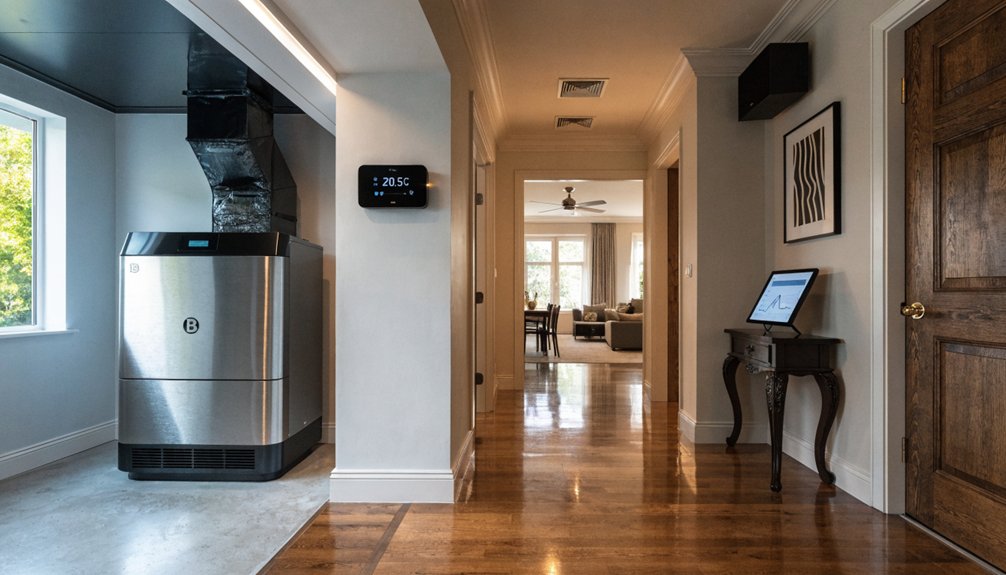
Modern control and airflow upgrades can greatly lift the efficiency of your existing Brivis or Braemar ducted heater without changing the core appliance. By integrating brand‑compatible smart thermostats and zoning controls, you can modulate gas and fan output precisely, cutting wastage while staying within Australian Standards and manufacturer specifications.
Key upgrade pathways include:
- Smart thermostats calibrated to Brivis/Braemar staging logic for tighter temperature bands
- Zoning dampers and controllers that balance static pressure and improve room‑by‑room comfort
- Ductwork optimisation based on professional energy audits, correcting leaks, sizing, and insulation
- Return‑air and grille upgrades to maintain correct airflow and heat‑exchanger temperatures
These code‑compliant enhancements let you extract more usable heat from every megajoule of gas, reducing running costs while preserving your existing unit. Regular ducted heating maintenance alongside these upgrades further improves efficiency, air quality, and long‑term system reliability.
Routine Servicing to Extend Your Brivis or Braemar Heater’s Lifespan
A structured servicing schedule is one of the most effective ways to keep your Brivis or Braemar ducted heater running safely, efficiently, and within manufacturer specifications over its full design life. By following brand-specific service intervals, you’re protecting heat exchangers, combustion components, and electronic controls from premature wear and non-compliant operation. Regular servicing helps prevent system breakdown during peak usage periods and can significantly reduce the risk of costly emergency repairs. During routine maintenance, your heater should be checked for gas pressure, burner performance, ignition reliability, and correct flue operation, in line with AS/NZS gas installation and appliance standards. Filters, return air grilles, and ducts must be inspected and cleaned to maintain airflow and stable supply temperatures.
This disciplined approach minimises stress on motors and fans, reduces fault frequency, and directly improves heater longevity while preserving warranty and compliance.
Choosing a Trusted Brivis or Braemar Heating Specialist
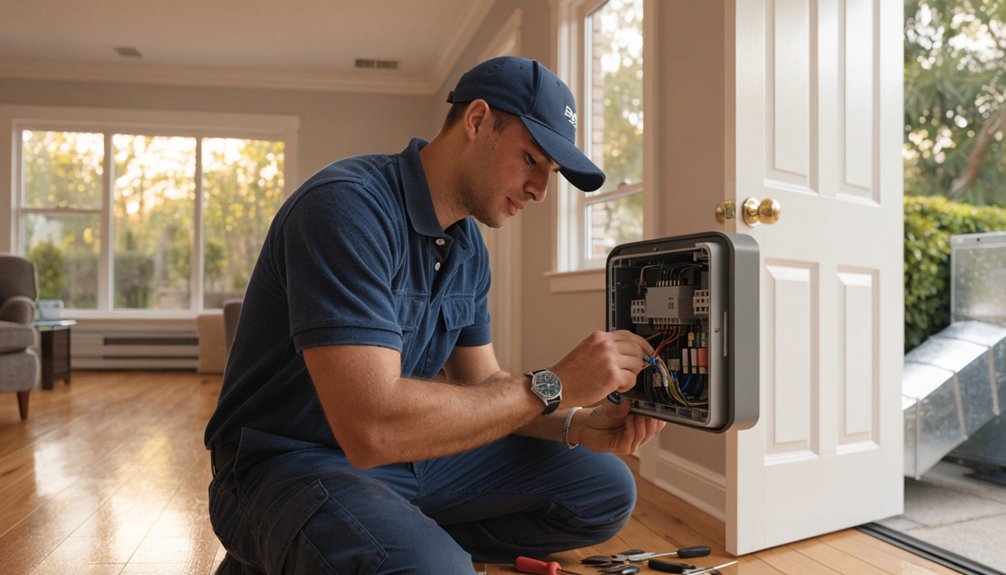
Once you’ve committed to scheduled servicing, the next step is making sure the work’s carried out by a Brivis- or Braemar-competent technician who understands the specific control logic, gas train layouts, and fault codes of these brands. You’re not just hiring a generic gas fitter; you need someone who follows AS/NZS gas and electrical standards and protects your Brivis warranty options. In Melbourne, you can also choose specialists like JohnsRefair, who provide Brivis ducted heating repairs along with installation and maintenance services tailored to these systems.
Look for a specialist who can clearly demonstrate:
- Current gasfitting and electrical licences, plus manufacturer training
- Experience interpreting Brivis and Braemar diagnostic codes and test points
- Ability to provide brand-specific reports, including Braemar maintenance tips
- Willingness to document combustion analysis, duct static pressure, and safety checks
Confirm they use genuine parts, reference OEM service manuals, and lodge any warranty-related paperwork correctly.
Frequently Asked Questions
Can I Integrate My Brivis or Braemar Heating With Solar Power Systems?
You can integrate Brivis or Braemar heating with solar power; think of sunlight as your boiler’s silent business partner. With compliant inverters and controllers, solar integration boosts energy efficiency, trims grid demand, and preserves manufacturer‑aligned performance and warranty conditions.
What Rebates or Incentives Are Available for Upgrading to High‑Efficiency Ducted Heaters?
You can usually access government incentives and energy efficiency rebates like VEECs/STCs when upgrading to high‑efficiency Brivis or Braemar ducted heaters. You’ll need compliant installation, brand‑matched controllers, and documentation to claim jurisdiction‑specific programs.
How Does Ducted Heating Affect Indoor Air Quality and Allergy Management?
You’re walking through a “clean-room” corridor: ducted heating improves air quality when you’ve got proper air filtration, balanced humidity control, sealed return air, and regular filter servicing, reducing particulates and allergens while maintaining AS/NZS-compliant performance.
Are There Zoning Options for Different Temperature Needs in Separate Rooms?
Yes, you can add zoning for different rooms; you’d use Brivis/Braemar-compatible zone controllers and motorised dampers. This delivers zoning advantages, precise temperature control, reduced energy use, and complies with AS/NZS 5601 and manufacturer specifications.
What Running Costs Can I Expect Compared to Reverse‑Cycle Air Conditioning?
You’ll usually face higher running costs than reverse‑cycle air conditioning because gas systems have lower operational efficiency and greater energy consumption per kWh of heat, though zoning, thermostat calibration, and regular servicing can narrow the cost difference.